What Are Power Surges and Why Should Long Island Homeowners Care?
Surge protection Long Island is essential for safeguarding your home's electronics and appliances from voltage spikes that can cause thousands of dollars in damage. Here's what you need to know:
Quick Answer for Long Island Homeowners:
- What it protects: Your HVAC system, computers, smart appliances, TVs, and all hardwired electrical equipment
- Common causes here: Lightning strikes, coastal storms, utility grid switching, and large appliances cycling on/off
- Best solution: Whole-house surge protector installed at your electrical panel by a licensed electrician
- Typical cost:$300-$800 for professional installation
- Installation time: 1-2 hours
- Lifespan: 5-10 years with proper maintenance
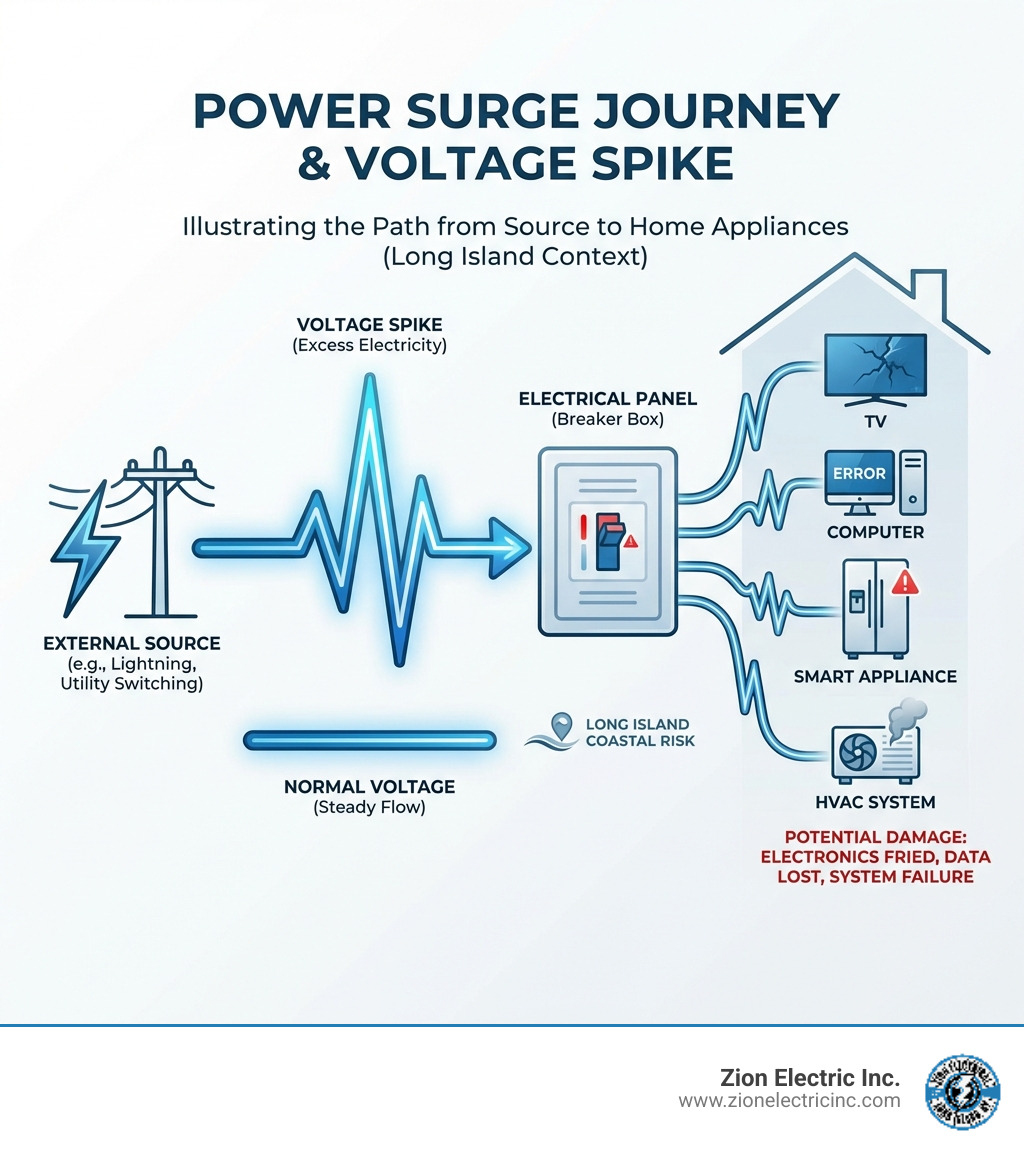
A power surge is an unwanted spike in electrical voltage that travels through your home's wiring. Think of it like a wave of excess electricity: instead of the steady 120 volts your devices expect, they suddenly receive 200, 400, or even thousands of volts for a split second.
These surges come from two places:
External sources include lightning strikes, downed power lines, and utility company equipment switching. Long Island's coastal location makes it particularly vulnerable to storm-related surges.
Internal sources are even more common, accounting for 60 to 80 percent of all surges. Every time your air conditioner kicks on, your refrigerator compressor cycles, or you flip a light switch, small voltage spikes ripple through your electrical system.
Modern homes face a bigger risk than ever before. Today's appliances, smart home devices, and electronics contain sensitive circuit boards that weren't designed to handle voltage fluctuations. A single severe surge can fry your HVAC control board, destroy your computer's hard drive, or damage your smart refrigerator. Each repair or replacement can cost hundreds or thousands of dollars.
The density of wiring in today's homes makes lightning damage more severe than in the past. With smart thermostats, security systems, EV chargers, and networked appliances, your home is more connected, and more vulnerable, than ever.
Whole-House Surge Protectors vs. Power Strips: What's the Difference?
When we talk about surge protection Long Island, many homeowners immediately think of the familiar power strips with multiple outlets. While these are useful, they're fundamentally different from a whole-house surge protector. Understanding this distinction is key to truly safeguarding your home.
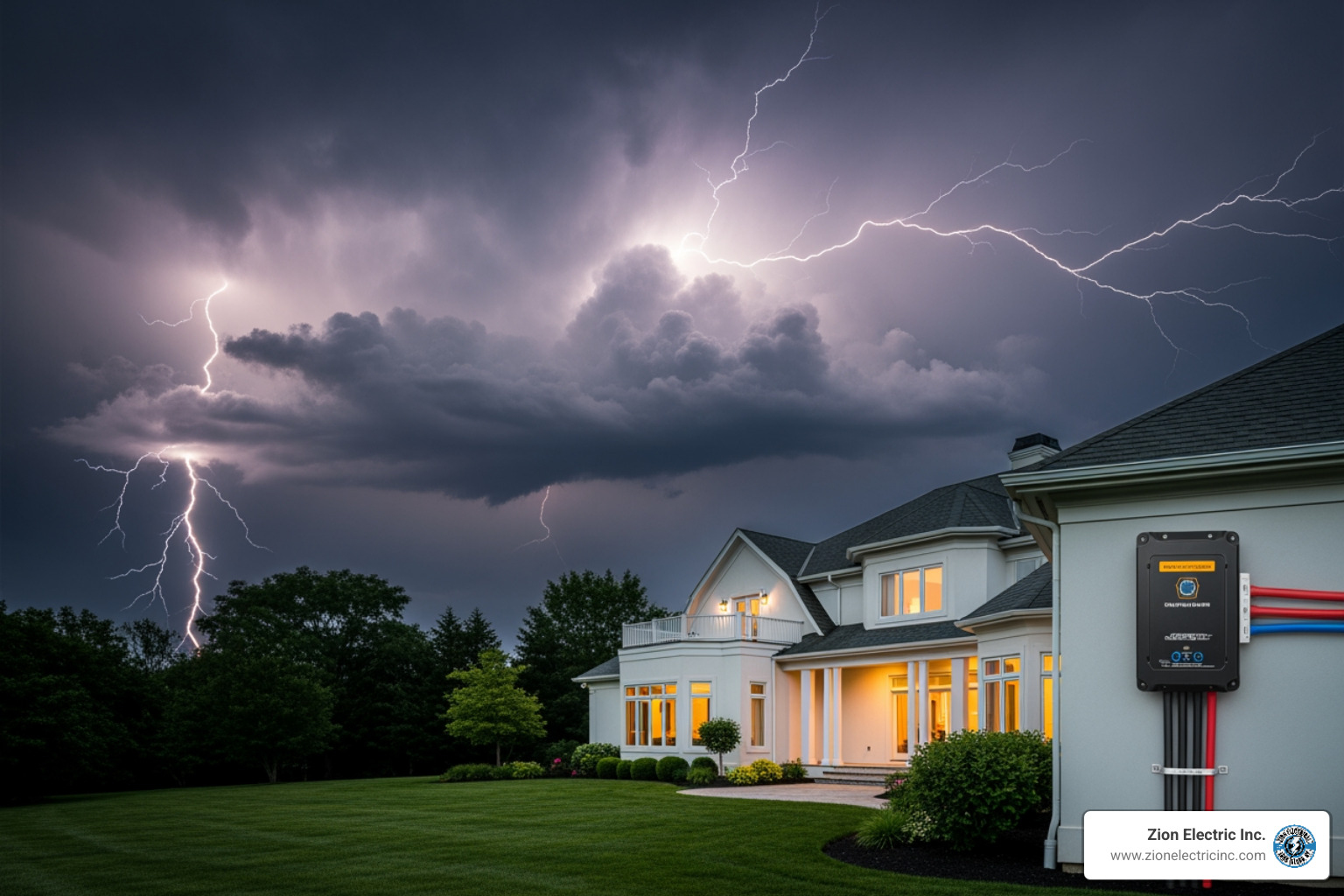
A standard power strip with surge protection acts as a point-of-use protector. You plug it into a wall outlet, and then plug your electronics (like your TV, computer, or phone charger) into the strip. It offers a limited defense, primarily for the devices directly connected to it. These power strips have a "joule rating," which indicates how much energy they can absorb before they stop protecting. Inexpensive models might offer 400-600 joules, while pricier options can protect up to 1,000 or more joules. Once that capacity is used up, the power strip no longer offers protection, leaving your devices vulnerable. They also don't protect hardwired appliances or your home's electrical system itself.
In contrast, a whole-house surge protector is a comprehensive first line of defense for your entire electrical system. This device is installed directly at your home's main electrical panel or meter by a licensed electrician. Its job is to block or divert excess voltage from entering your home's internal wiring, grounding any unwanted voltage spikes before they can reach your sensitive electronics and appliances. This means everything connected to your home's electrical system, from your refrigerator and oven to your HVAC unit and lighting, receives a layer of protection.
Here's a quick comparison to highlight the differences:
| Feature | Whole-House Surge Protector | Standard Power Strip (with surge protection) |
|---|---|---|
| Installation Point | Main electrical panel or meter | Wall outlet |
| Devices Protected | All hardwired appliances, lights, and any electronics plugged into outlets throughout the home | Only devices plugged directly into the strip |
| Protection Level | Comprehensive, first line of defense for the entire home's electrical system | Limited, point-of-use protection for specific devices |
| Joule Rating | Much higher capacity, designed for larger surges and entire home protection | Lower capacity (e.g., 400-1000+ joules), wears out over time |
| Cost | Typically $300-$800 (installation included) | $10-$50+ |
| Best For | Full home protection against external and internal surges, including hardwired systems | Protecting individual electronics from smaller, localized surges |
While power strips offer some basic protection for individual devices, they are no substitute for the robust defense provided by a whole-house surge protector. For true surge protection Long Island homeowners need, a whole-house unit is the superior choice.
Your Guide to Whole-House Surge Protection on Long Island
Investing in a whole-house surge protector is one of the smartest decisions you can make for your Long Island home. It's about comprehensive home safety, protecting your valuable investments, and gaining invaluable peace of mind.
Common Causes of Power Surges for Long Island Homeowners
Understanding the sources of power surges is the first step in effective surge protection Long Island. While some causes are universal, Long Island's unique environment contributes to specific risks.
External Causes: These originate outside your home, often from the utility grid or weather events.
- Lightning Strikes: This is perhaps the most dramatic cause. While a whole-house surge protector cannot guarantee protection against a direct lightning strike to your home, it is highly effective at mitigating damage from indirect strikes or surges caused by nearby lightning activity. Long Island, particularly during our summer thunderstorms, experiences significant lightning activity, making this a critical concern.
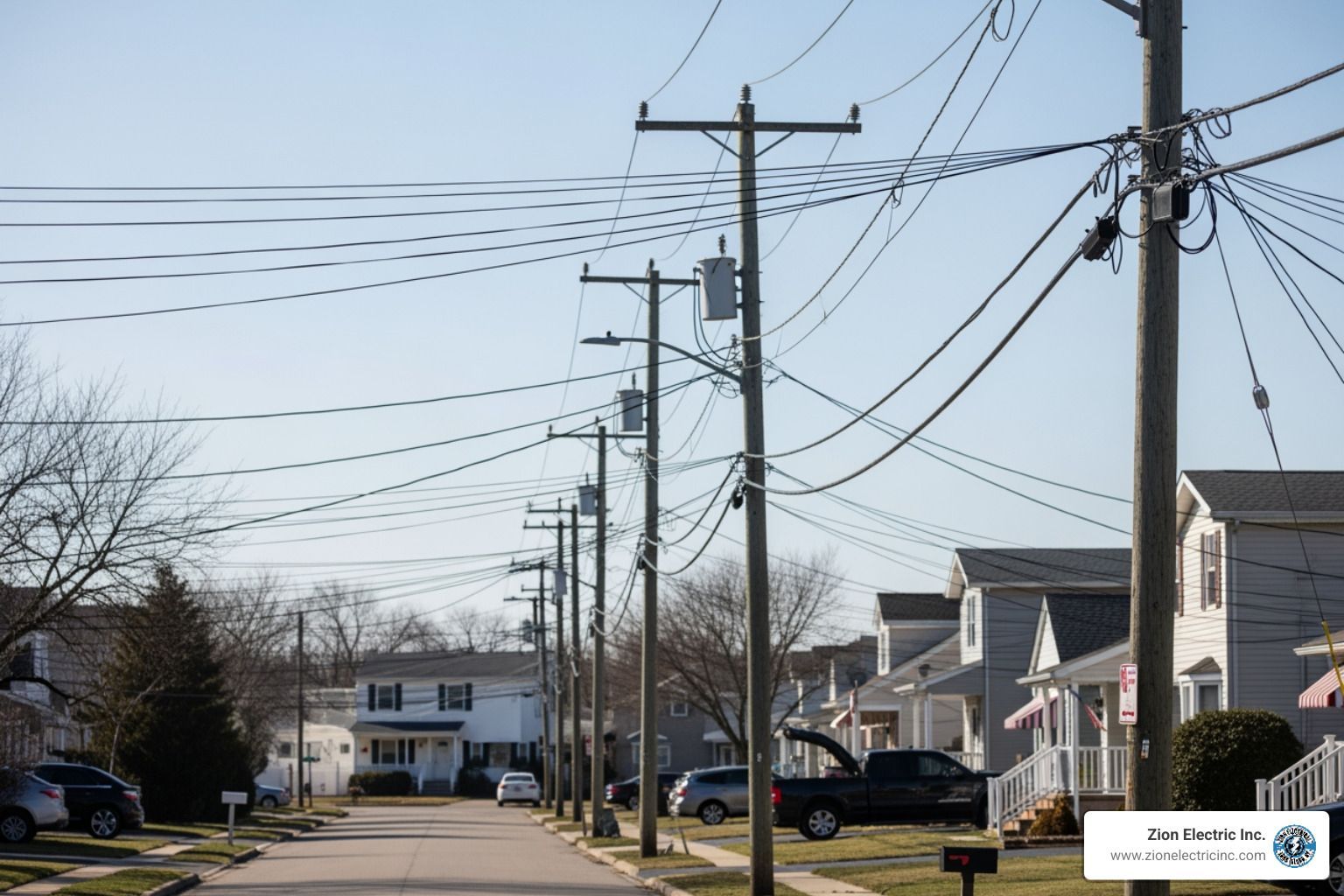
- Utility Grid Switching: Your local utility company (PSEG Long Island) routinely switches power grids, especially during peak demand or maintenance. These switching operations can create voltage fluctuations that send surges down the power lines to your home.
- Downed Power Lines: Accidents, severe weather, or even falling tree branches can cause power lines to fall, leading to sudden disruptions and surges when power is restored or lines make contact.
- Coastal Storms: Long Island is no stranger to coastal storms, nor'easters, and hurricanes. These events often bring high winds, heavy rain, and lightning, increasing the likelihood of downed lines and grid instability, all of which contribute to power surges.
Internal Causes: Surprisingly, most power surges (60 to 80 percent, in fact!) originate right inside your home. These are often smaller but more frequent, and over time, they can still degrade your electronics.
- HVAC Cycles: When large appliances like your air conditioner or heating system (HVAC) cycle on and off, they draw a significant amount of power. This can create momentary voltage drops and spikes within your home's electrical system.
- Refrigerator Compressors: Similar to HVAC units, your refrigerator's compressor kicking on and off can also generate small, localized surges.
- Operation of Heavy Electrical Equipment: Any large motor or appliance (from a washing machine to a garage door opener) can contribute to internal power fluctuations.
- Faulty Wiring: Old or improperly installed wiring can be a constant source of small surges and, in severe cases, can even lead to more significant electrical issues.
Whether it's a distant lightning strike across the Sound or your washing machine starting its spin cycle, these voltage spikes pose a continuous threat to your home's modern, sensitive electronics.
The Unseen Benefits of Comprehensive Surge Protection
Installing a whole-house surge protector offers a multitude of benefits that extend far beyond simply keeping your gadgets safe. It’s an investment in the longevity and efficiency of your entire home.
- Protects Sensitive Electronics: Today's homes are filled with sophisticated electronics. From your smart TV and gaming console to your home office computer and smart home hub, these devices contain delicate circuit boards that are highly vulnerable to voltage spikes. A whole-house protector acts as a shield, preventing catastrophic damage.
- Safeguards Hardwired Systems: Unlike power strips, a whole-house unit protects appliances that are directly wired into your electrical system. This includes your HVAC unit, water heater, oven, washing machine, dryer, and even your well pump. Protecting these essential, often expensive, systems from surge damage can save you thousands in repair or replacement costs.
- Prevents Costly Repairs and Replacements: The cost of replacing a damaged refrigerator, computer, or HVAC control board can quickly add up. A whole-house surge protector significantly reduces the risk of these expensive failures, effectively paying for itself over time. It can help prevent thousands of dollars in damage from unexpected power surges.
- Extends Appliance Lifespan: Even small, frequent surges can cause gradual wear and tear on your electronics and appliances, shortening their lifespan. By absorbing these daily fluctuations, a whole-house surge protector helps your equipment last longer, providing a better return on your investment.
- Reduced Maintenance and Repair Costs: Fewer damaged appliances mean fewer service calls and repair bills. It’s a proactive approach to maintaining your home's electrical integrity.
Here’s a list of just some of the items a whole-house surge protector helps protect:
- HVAC systems (furnaces, air conditioners)
- Smart appliances (refrigerators, dishwashers, smart ovens)
- Computers and laptops
- Home entertainment systems (TVs, sound systems, streaming devices)
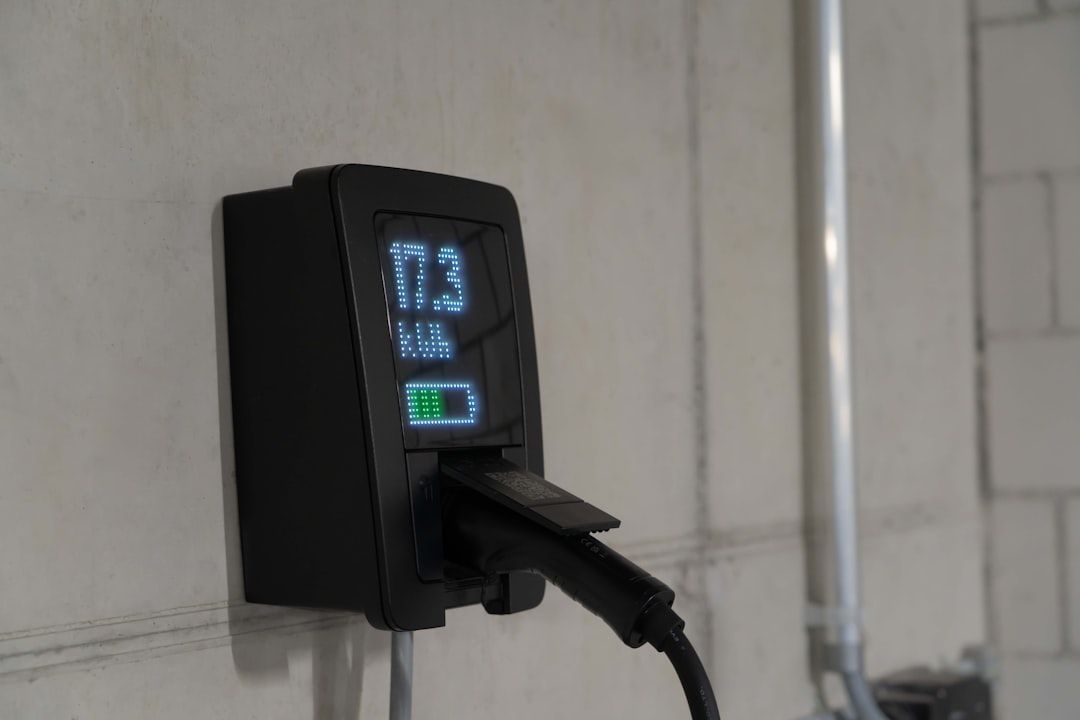
- EV chargers
- Garage door openers
- Security systems and cameras
- Lighting systems
- Cable boxes and internet modems
- Exercise machines with electronic circuit boards
For a full range of electrical solutions that complement your surge protection Long Island needs, learn more about our More info about our General Electrical Services.
The Installation Process: What to Expect
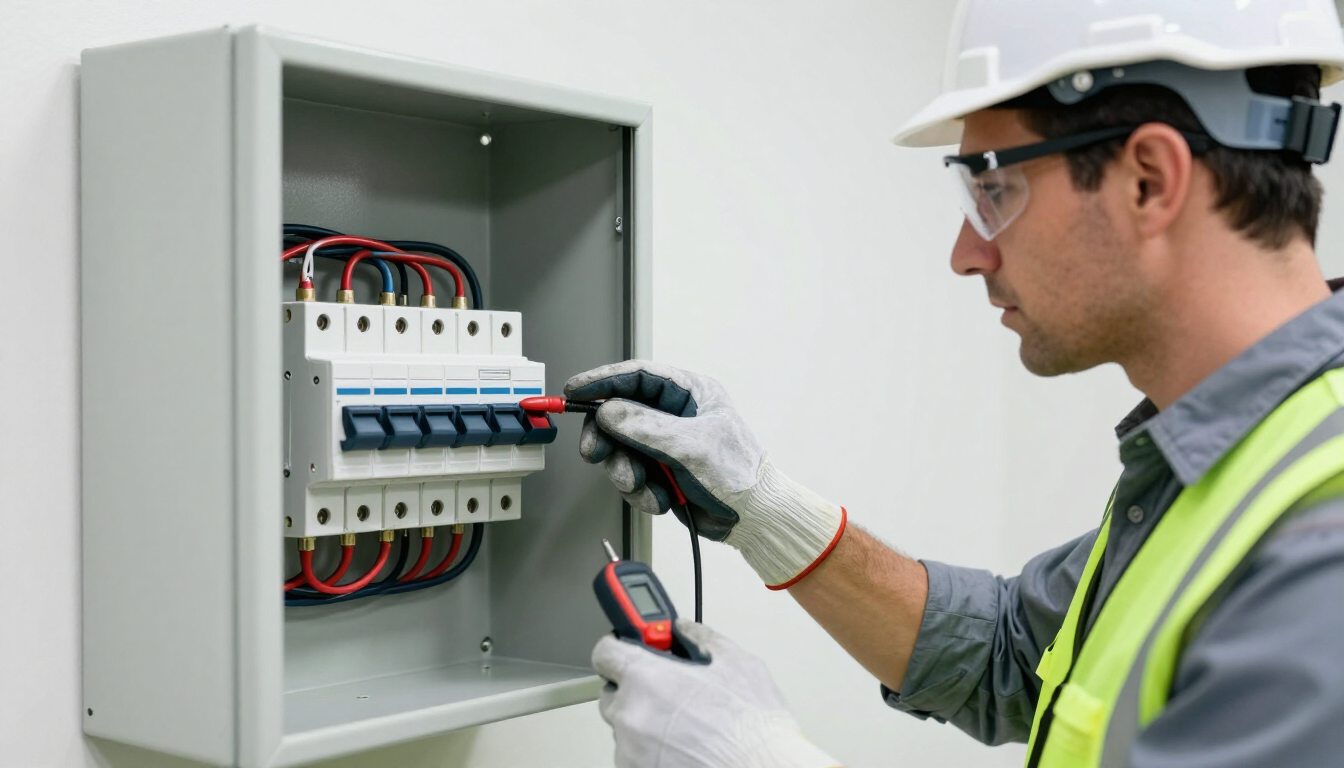
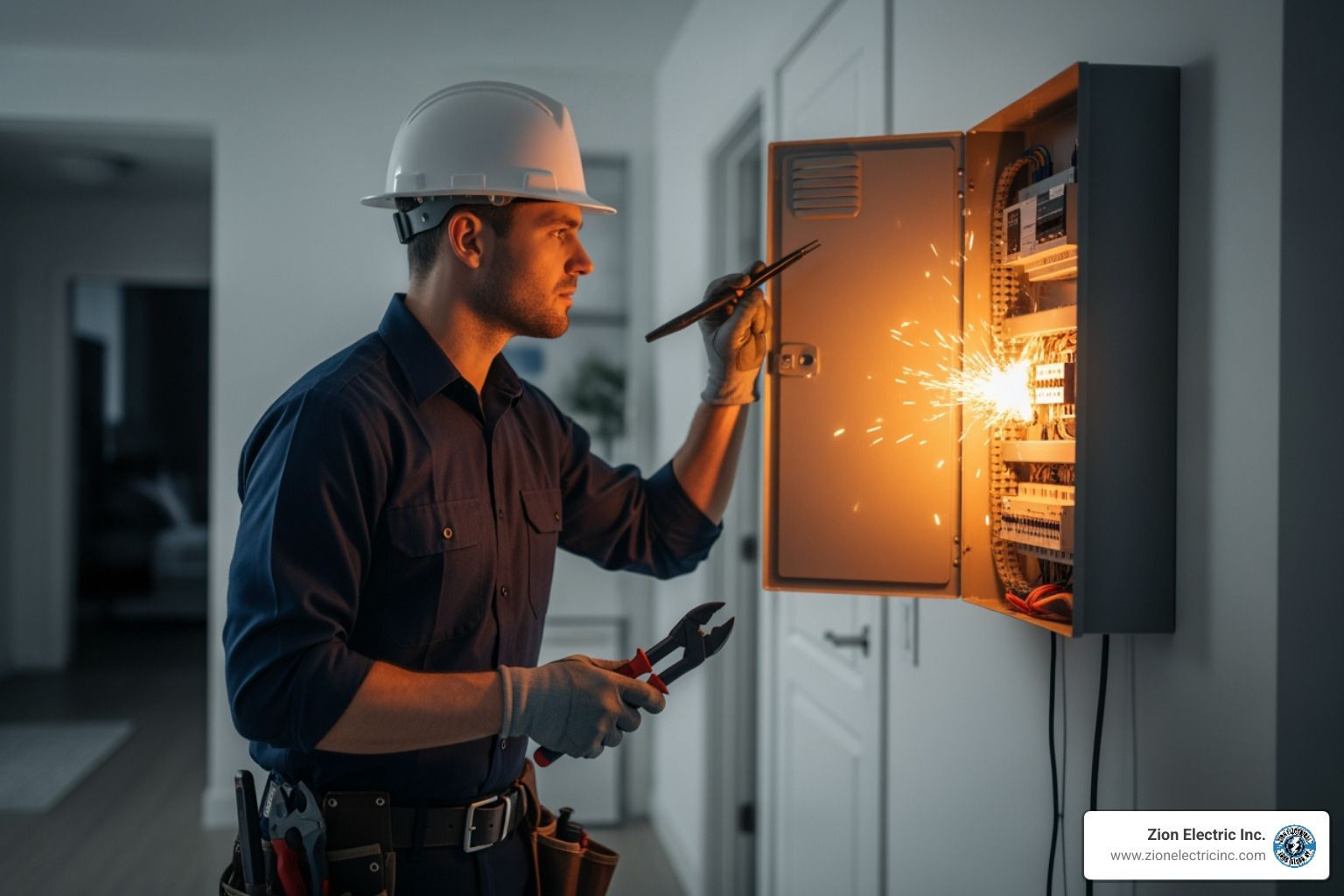
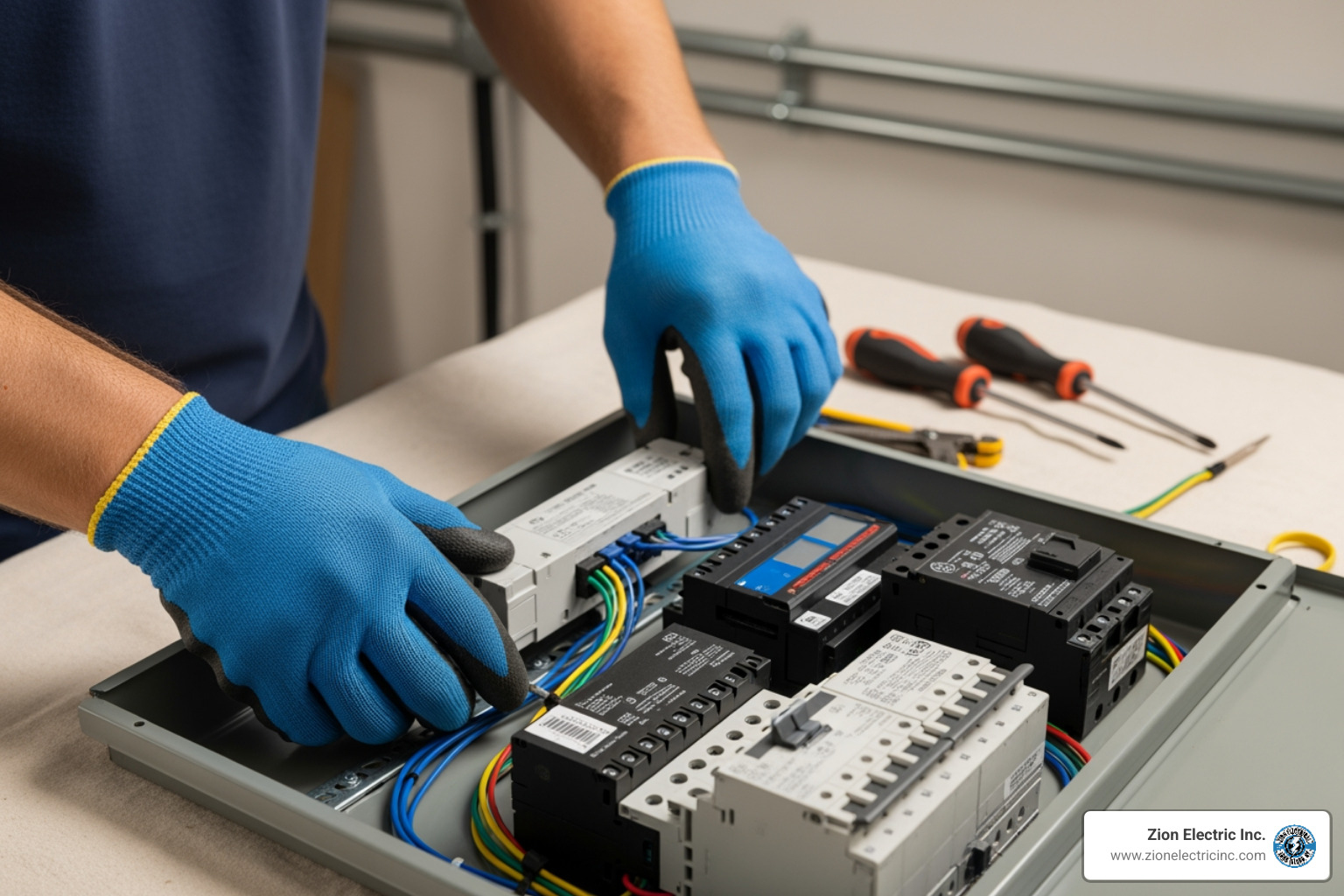
Installing a whole-house surge protector is not a DIY project. It involves working directly with your home's main electrical panel, which carries high voltage and poses significant safety risks. For this reason, professional installation by a licensed electrician is not just recommended; it's essential for your safety and the proper functioning of the device.
Our team at Zion Electric Inc. handles the entire process efficiently and safely. Here's what you can expect:
- Professional Installation Required: A licensed electrician will ensure the device is correctly wired and securely mounted, adhering to all local electrical codes and safety standards. This expertise is crucial for effective surge protection Long Island homes demand.
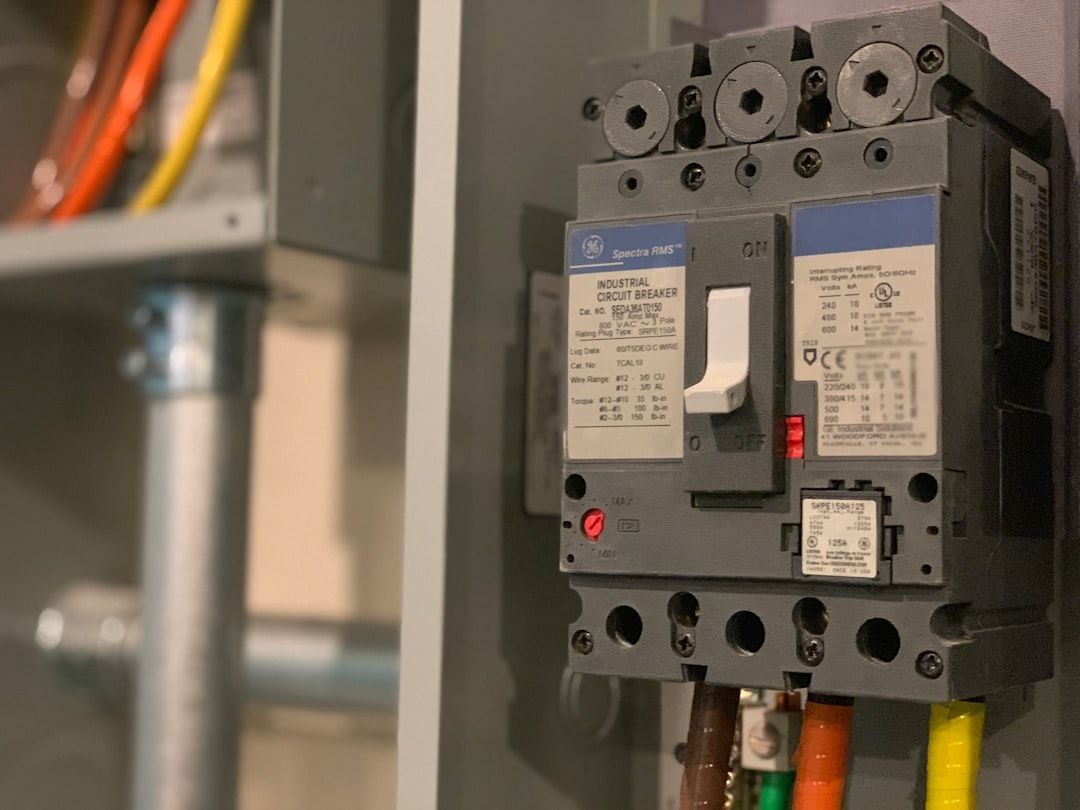
- Main Electrical Panel Location: The whole-house surge protector is installed at your home's main electrical panel (also known as the breaker box or fuse box). This strategic placement allows it to intercept surges as they enter your home's electrical system, protecting everything downstream.
- Installation Time: Most whole-home surge protector installations are relatively quick, usually taking about 1 to 2 hours. Our electricians work diligently to minimize any disruption to your home's power.
- UL 1449 Standard: We only install whole-house surge protectors that meet the UL 1449 standard. This is a critical safety certification that ensures the device has been rigorously tested and meets strict performance criteria for surge protective devices. We prioritize your safety and the quality of our installations.
- Type 1 vs. Type 2 Protectors:
Your electrician will help you determine the best type of protector for your home:
- Type 1 Surge Protectors are installed before the main electrical panel, typically near the utility meter. They provide the highest level of protection against external power surges, such as lightning strikes, and are often mandated by updated safety codes for service replacements and electrical upgrades.
- Type 2 Surge Protectors are installed inside the main electrical panel. They protect against internal surges originating from appliances within your home and can also offer a secondary layer of defense against external surges that might bypass a Type 1 protector. Our experts can help you choose the best option for your home, ensuring optimal surge protection Long Island.
When you choose Zion Electric Inc., you're choosing certified professionals dedicated to top-tier workmanship. Learn about our Certified Installations.
Cost, Maintenance, and Lifespan of Your Surge Protector
Understanding the financial aspect and ongoing care of your whole-house surge protector helps you appreciate its long-term value as a proactive home maintenance strategy.
The Cost of Whole-House Surge Protection on Long Island
The typical cost for installing a whole-house surge protector on Long Island usually ranges from $300 to $800. This price includes both the device itself and the professional labor required for installation. The exact cost can vary depending on factors like the specific model of surge protector chosen, its joule capacity, and the complexity of your existing electrical panel setup.
While this might seem like an upfront expense, it's crucial to view it as an investment rather than just a cost. Consider the alternative: the potential cost of replacing multiple high-value electronics and hardwired appliances after a severe power surge could easily run into thousands of dollars. A damaged HVAC system alone can cost several thousand to repair or replace. For example, a new smart refrigerator can cost upwards of $1,500-$3,000, a high-end computer $1,000-$2,000, and an HVAC control board several hundred dollars. When you weigh the typical installation cost against these potential replacement expenses, a whole-house surge protector quickly proves its worth.
We understand that home improvements are an investment. That's why we offer solutions to help make your home safer and more resilient. You can Learn More About Financing your next project, subject to approval. We also provide free estimates, so you'll know the exact cost before we begin any work, ensuring transparent and affordable surge protection Long Island.
Maintenance and When to Replace Your Surge Protector
Unlike a "set it and forget it" device, a whole-house surge protector, like any safety equipment, has a lifespan and requires occasional checks.
- Lifespan: Most whole-house surge protectors are designed to last between 5 to 10 years. However, their actual lifespan largely depends on how many surges they absorb. Every time a protector diverts a voltage spike, its internal components wear down a little. Think of it like a shock absorber for your electrical system.
- Indicator Lights: Most quality whole-house surge protectors come equipped with indicator lights (often green or red LEDs). A green light typically means the unit is functioning correctly and providing protection. If the light turns red, or goes out entirely, it's a clear sign that the protector has absorbed too many surges and is no longer providing adequate protection, or any protection at all.
- Signs of Failure: The primary sign that your surge protector needs attention is when its indicator light changes or goes out. You might not notice any other symptoms until a surge occurs and your appliances are damaged.
- Importance of Regular Electrical Inspections: We recommend having your whole-house surge protector checked during your regular electrical inspections. Our licensed electricians can quickly assess its condition, verify its functionality, and advise you on potential replacement if necessary. Proactive checks ensure continuous and reliable surge protection Long Island.
Don't wait until a surge hits to realize your protector has worn out! If you're unsure about the status of your current surge protection or would like to schedule an inspection, please Contact Us today.
Frequently Asked Questions about Surge Protection
We often hear similar questions from Long Island homeowners curious about enhancing their home's electrical safety. Here are some of the most common ones:
Do whole-house surge protectors protect against a direct lightning strike?
This is a common and very important question. While a whole-house surge protector is your best line of defense against lightning-related damage, it's crucial to understand its capabilities.
- Indirect Strike Protection: Whole-house surge protectors are highly effective at protecting against surges caused by indirect lightning strikes. This means if lightning strikes a power pole down the street, a nearby tree, or the ground close to your home, the resulting voltage spike traveling through your utility lines will be largely mitigated by the surge protector. This significantly reduces the risk of damage to your home's electrical system and appliances.
- Secondary Surge Defense: They also provide excellent protection against secondary surges that can occur after a lightning strike, such as those from downed power lines or utility grid fluctuations during a storm.
- Best Available Protection: While no system can fully stop a direct lightning strike to your home's electrical mast without some degree of internal impact, a whole-house surge protector offers the maximum available protection against the vast majority of lightning-induced power surges. For comprehensive lightning protection, some homeowners might consider a full lightning protection system (which involves a network of conductors and grounding rods) in addition to a whole-house surge protector. However, for most Long Island homes, a whole-house surge protector provides robust and practical surge protection Long Island from lightning-related issues.
Is a whole-house surge protector required by the electrical code?
The requirements for surge protection in residential homes have been evolving, especially with the increasing reliance on sensitive electronics.
- National Electric Code (NEC) 2020 Update: The 2020 National Electric Code (NEC), which is adopted by many states and municipalities, introduced significant changes regarding surge protection. It now mandates surge protection for certain residential applications.
- Mandates for Service Upgrades: Specifically, the NEC 2020 update requires that new dwelling units and dwelling unit service upgrades include a Type 1 or Type 2 Surge Protective Device (SPD). This means if you're having your main electrical panel replaced or significantly upgraded, a whole-house surge protector (typically a Type 1) will likely be a mandatory part of the installation to comply with current safety codes.
- New Construction Requirements: Similarly, new home construction in areas adopting the NEC 2020 or later versions will often require a whole-house surge protector as part of the initial electrical system.
While local adoption of NEC standards can vary, it's clear that the trend is towards making whole-house surge protection a standard safety feature. Our licensed electricians stay up-to-date with all current codes and regulations in Long Island and Holtsville, ensuring your home meets or exceeds safety standards for surge protection Long Island.
What brands of surge protectors are reliable?
When it comes to selecting a whole-house surge protector, reliability is paramount. You want a device that you can trust to perform when it matters most. We only install professional-grade equipment from reputable manufacturers that meet stringent industry standards.
Key factors we consider for reliable brands include:
- UL 1449 Standards: As mentioned earlier, any reliable whole-house surge protector should be listed to the UL 1449 standard (ideally the latest 5th Edition). This certification from Underwriters Laboratories signifies that the product has undergone rigorous testing for safety and performance.
- Professional-Grade Equipment: We choose brands known for manufacturing durable, high-capacity surge protectors designed for the demands of an entire home's electrical system.
Some of the trusted brands we recommend and install include:
- Eaton: A global leader in power management, Eaton offers a wide range of highly effective whole-house surge protectors.
- Siemens: Known for their engineering excellence, Siemens provides robust and reliable surge protection solutions for residential applications.
- Leviton: A well-respected name in electrical wiring devices, Leviton also manufactures quality whole-house surge protectors that meet industry standards.
These brands are recognized for their quality, performance, and adherence to safety certifications, providing you with the best possible surge protection Long Island.
Secure Your Long Island Home with Professional Surge Protection
In today's electrically dependent world, the risks posed by power surges are undeniable. From the frequent internal fluctuations caused by our everyday appliances to the dramatic external threats of Long Island's notorious storms and lightning, your modern home is constantly vulnerable. Protecting your sensitive electronics and hardwired systems is no longer a luxury; it's a necessity for maintaining your home's comfort, functionality, and value.
At Zion Electric Inc., we understand the unique electrical needs and challenges faced by homeowners in Long Island and Holtsville. As a family-owned electrical services company serving the area for over 30 years, we've built our reputation on providing reliable, high-quality electrical solutions. We emphasize clear communication, quick response times, and top-tier workmanship in every project we undertake, including comprehensive surge protection Long Island.
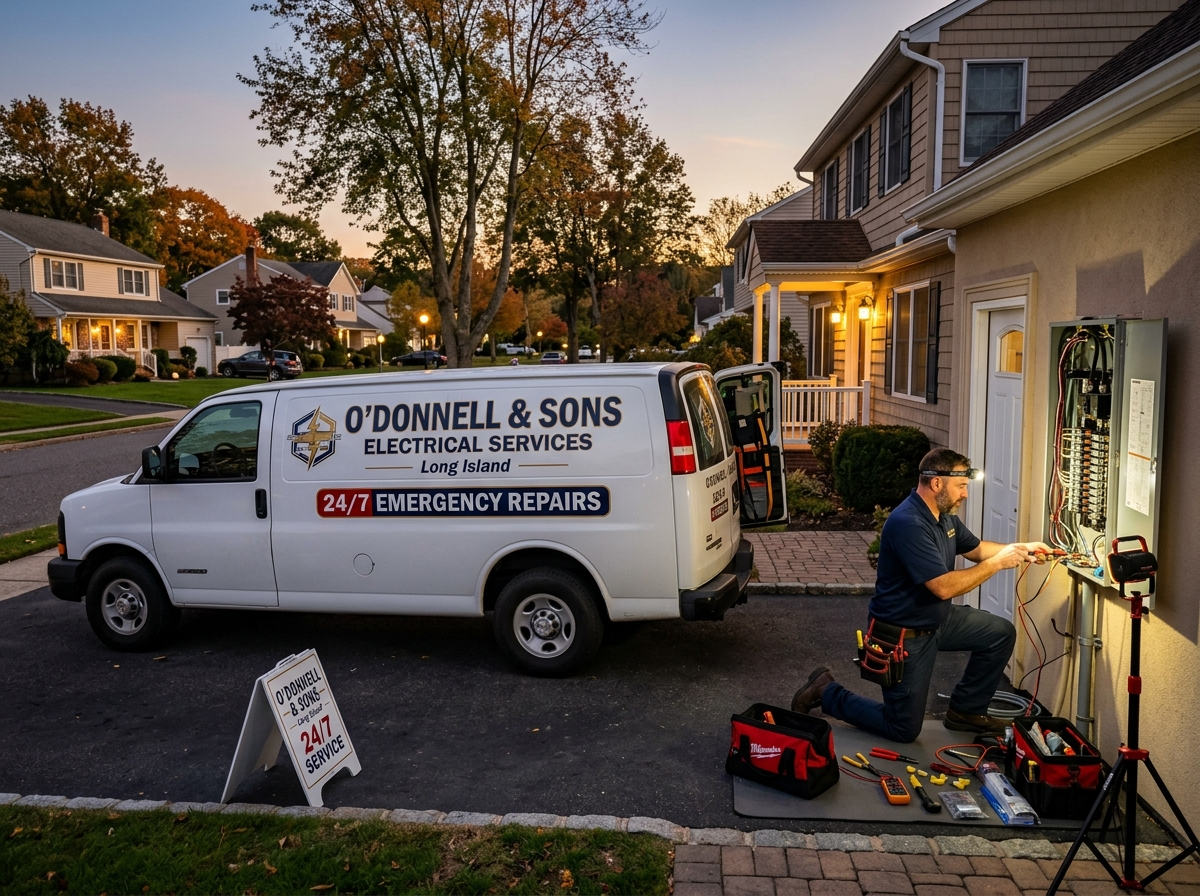
Don't wait for a costly power surge to remind you of the importance of protection. Safeguard your investments, extend the life of your appliances, and gain peace of mind knowing your home is protected by professionals. Our team is ready to assess your home's needs and install a whole-house surge protector that meets the highest safety standards. We even offer 24/7 emergency service, because we know electrical issues don't keep business hours.
Ready to secure your home? Learn more about our Specialty Services or contact us today to discuss your surge protection options and get a free estimate. Let us help you keep your Long Island home safe from unexpected electrical zaps!