Why Electrical Safety Starts with a Professional Inspection
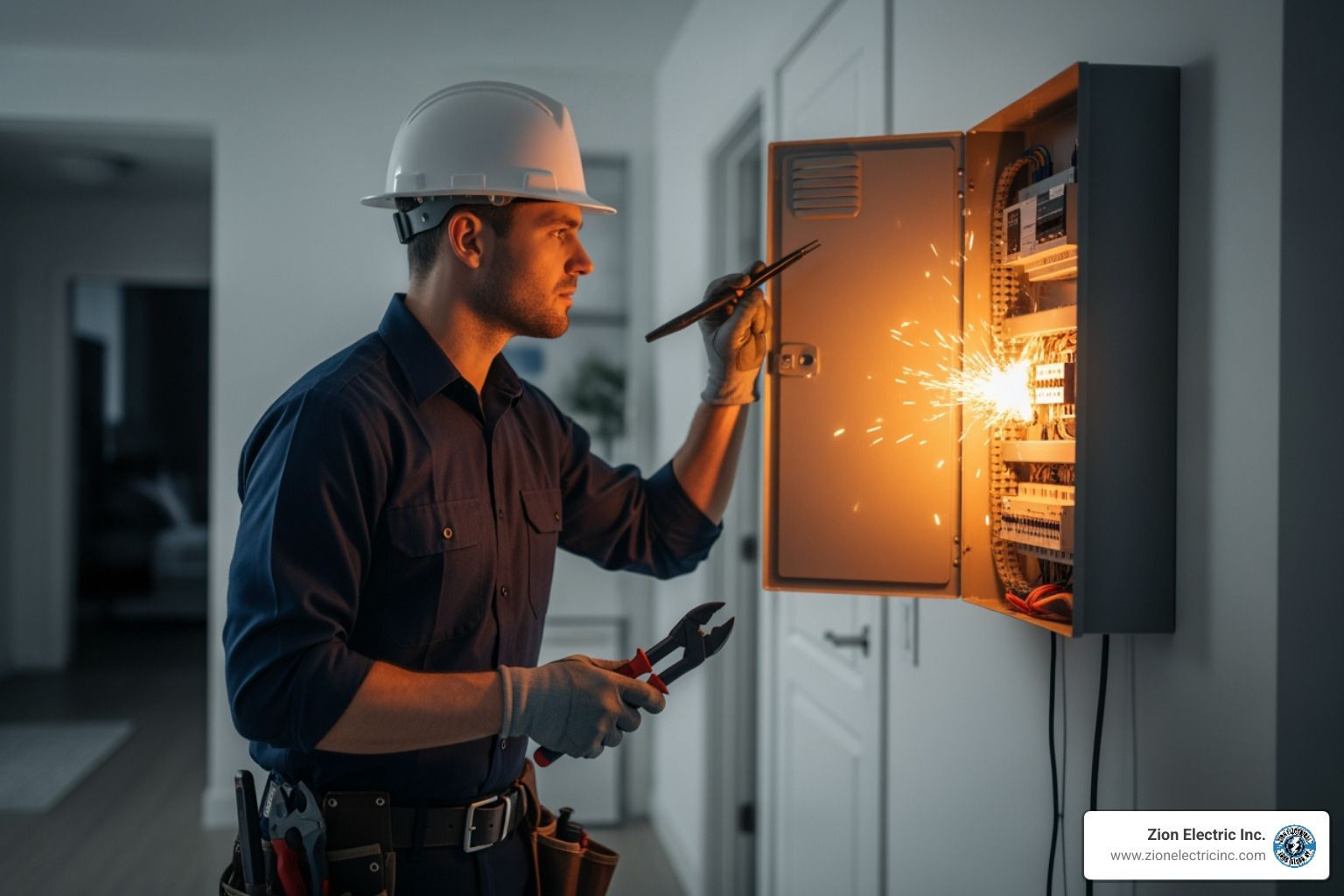
An electrical wiring inspection is a thorough safety assessment of your home's electrical system by a licensed professional. It's designed to identify hazards, verify code compliance, and prevent fires or shocks. Whether you're buying a home, planning renovations, or noticing warning signs like flickering lights, an inspection provides critical insight into your system's condition.
Quick Answer: What You Need to Know
- What it is: A comprehensive exam of your electrical panel, wiring, outlets, and safety devices.
- Who needs it: Homebuyers, sellers, owners of older homes (pre-1976), or anyone planning major renovations.
- What it costs: Typically $100-$350 for a standard inspection.
- What it finds: Outdated wiring, overloaded circuits, missing GFCI/AFCI protection, and code violations.
- Why it matters: Electrical failures cause an estimated 51,000 fires annually, resulting in 470 deaths and $1.3 billion in property damage.
Electrical hazards often hide behind walls. Warning signs like a warm outlet, a repeatedly tripping breaker, or a faint burning smell aren't minor inconveniences—they signal dangerous conditions. For Long Island homeowners, especially in homes built before 1976 with older wiring, an inspection is critical for safety, code compliance, and insurance purposes. It reveals what's safe, what's questionable, and what needs immediate action.
A professional electrical wiring inspection is non-invasive, takes just a few hours, and delivers a detailed report that prioritizes issues by severity. You'll know exactly where your system stands and what steps will bring your home up to modern safety standards.
When Is an Electrical Inspection Necessary?
Your home's electrical system can develop issues over time. Recognizing when an electrical wiring inspection is necessary is the first step toward ensuring your family's safety. If you're experiencing any of the common issues below, it's a clear signal that your home needs a professional electrical check-up.
Key Warning Signs and Scenarios
Be on the lookout for these indicators, as they often point to underlying electrical problems:
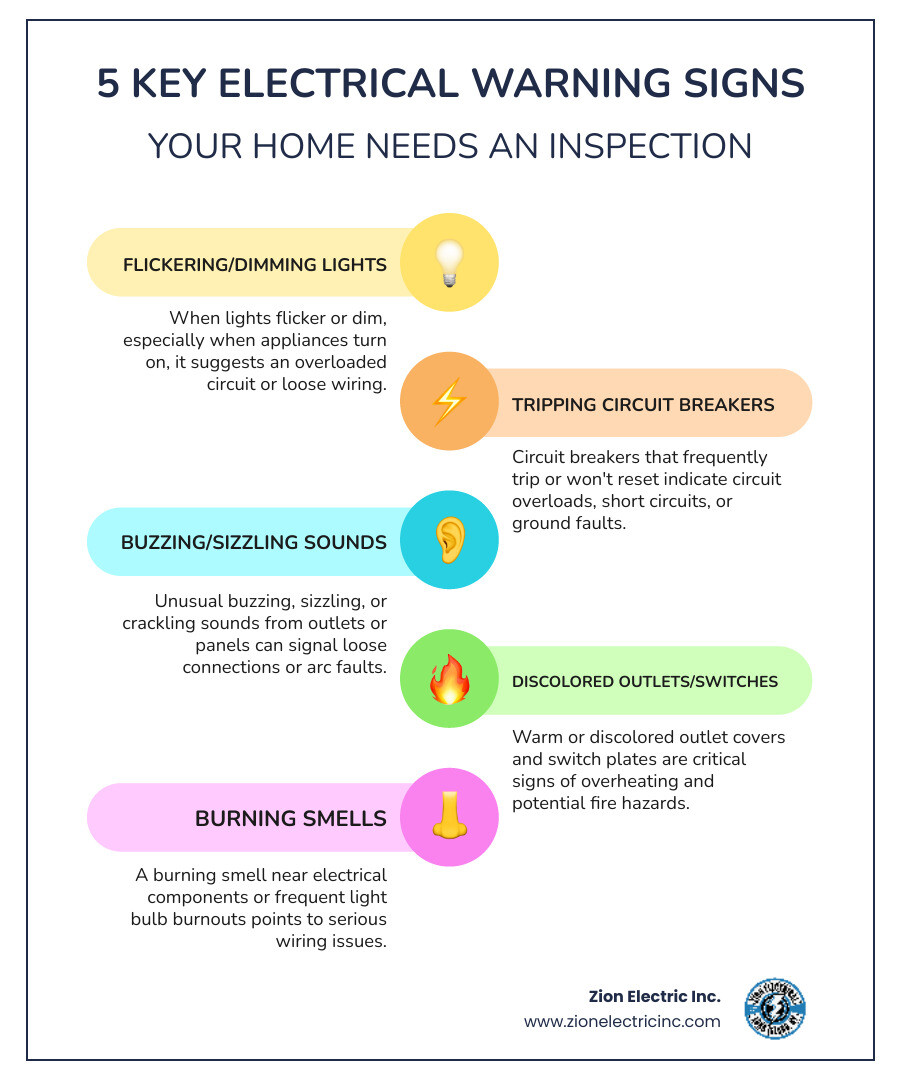
- Flickering or Dimming Lights: This could indicate an overloaded circuit or loose wiring connections.
- Frequently Tripped Circuit Breakers: Breakers trip to prevent overloading. If it happens often, your system is struggling to meet demand or has a fault.
- Buzzing or Sizzling Sounds: Unusual noises from outlets, switches, or your panel often point to loose connections that pose a fire risk.
- Burning Smells: A burning odor near electrical components indicates overheating wires and is an immediate fire hazard.
- Discolored or Warm Outlets: Scorch marks or warmth around an outlet signal overheating due to loose connections or excessive load.
- Sparking from Outlets: While a small, brief spark can be normal, large or consistent sparks can signal a short circuit.
- Overuse of Extension Cords: Relying on extension cords for permanent power suggests you have too few outlets and are likely overloading circuits.
- Ungrounded (Two-Prong) Outlets: These older outlets lack a ground wire, a critical safety feature that protects against shock and damage to electronics.
An inspection is also essential in these specific situations:
- Buying or Selling a Home: A pre-purchase inspection gives buyers peace of mind, while a pre-listing inspection helps sellers address issues before they become deal-breakers.
- Age of Home (pre-1976): Homes built before 1976 often have outdated wiring like knob-and-tube or aluminum, which may not handle modern electrical loads safely. For more information, check out our diagnostic services.
- Major Renovations: Additions or remodels, especially in kitchens and bathrooms, require updating your electrical system to meet current codes.
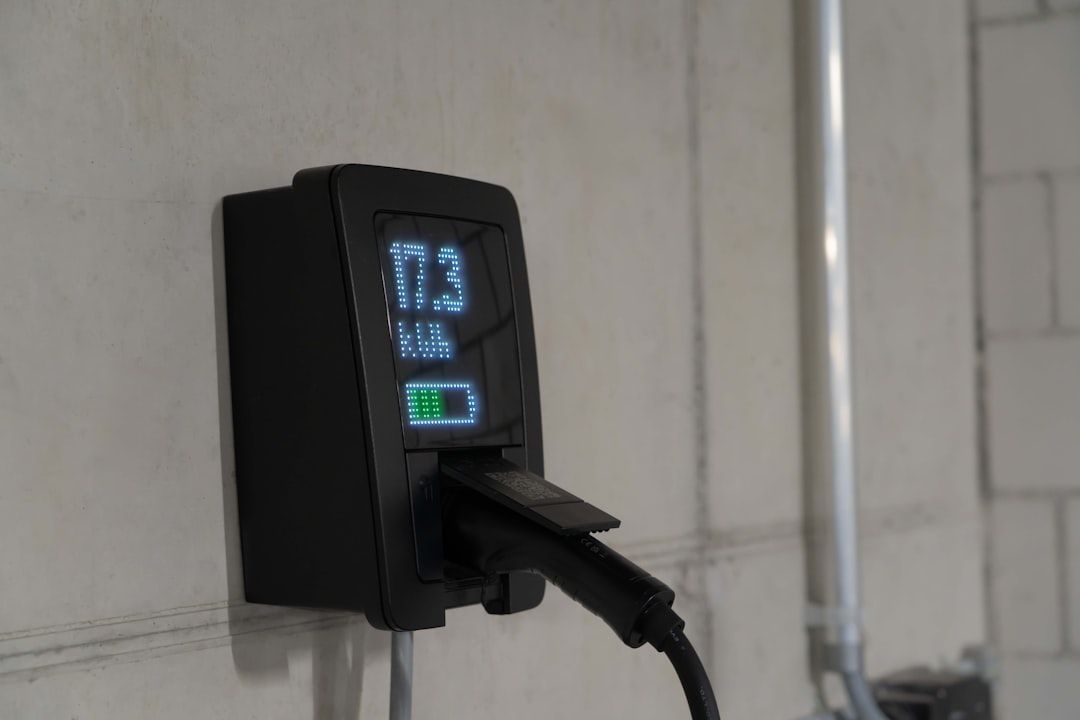
- Adding Major Appliances: Installing an EV charger, hot tub, or other high-draw appliance may require an inspection to ensure your system can handle the load.
- Post-Disaster Assessment: After a flood or fire, an inspection is crucial to assess the integrity of your wiring.
- Insurance Requirements: Some providers require an inspection for older homes to ensure coverage.
Planning a renovation or looking to ensure your home meets the latest safety standards? Contact Zion Electric Inc. to start your renovation with confidence.
The Comprehensive Electrical Wiring Inspection Process
When you schedule an electrical wiring inspection, you're engaging a detailed, systematic assessment by a licensed electrical contractor. Our primary goal is safety, ensuring your home's electrical system is secure. The process is non-invasive, meaning we won't be tearing down walls. Instead, our technicians use specialized tools and extensive knowledge to evaluate visible components and test circuits. Afterward, you'll receive a detailed report outlining our findings and prioritized recommendations, giving you a clear roadmap to your home's electrical health.
Our inspections meet and exceed local Long Island standards, similar to the framework outlined in resources like the Electrical System Safety Assessment Checklist - ESA. We pride ourselves on providing certified installations and thorough inspections.
What to Expect During a Home Electrical Wiring Inspection
When our licensed electrician arrives, here's a general overview of the process:

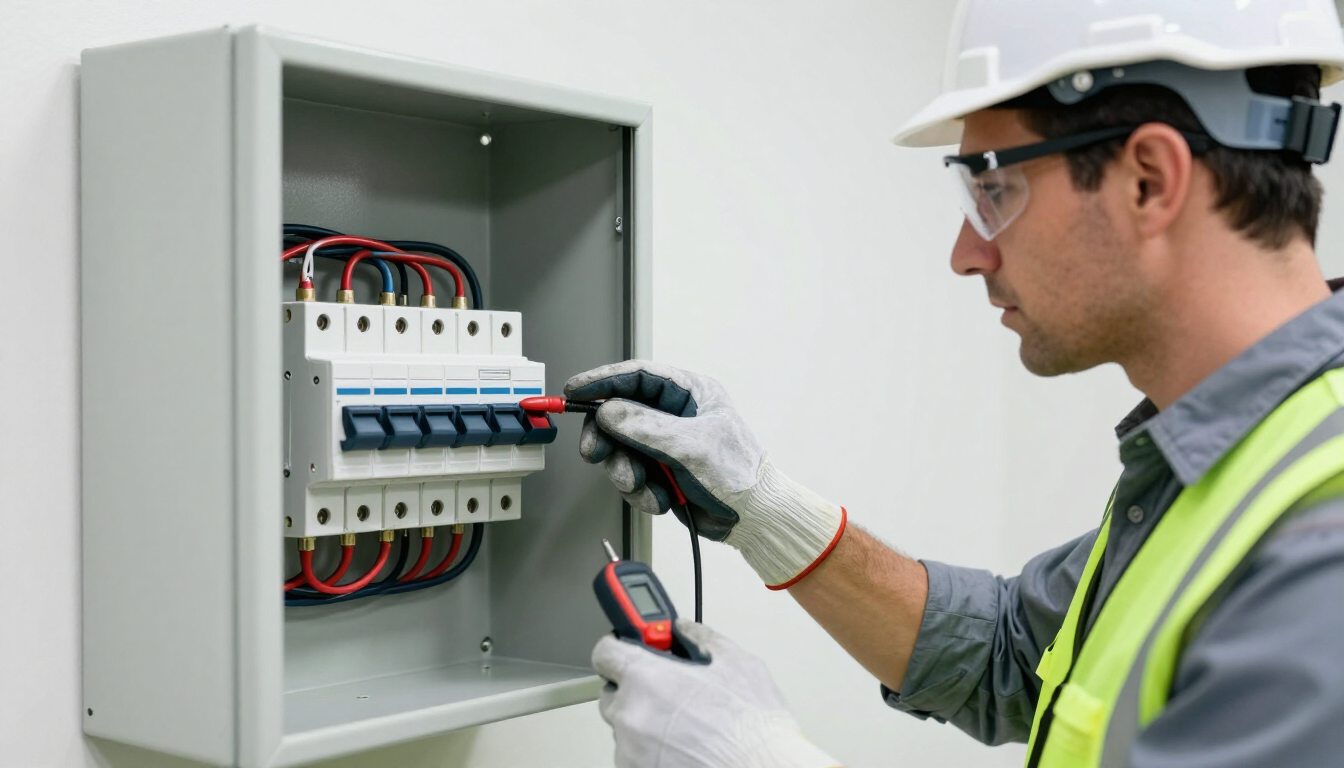
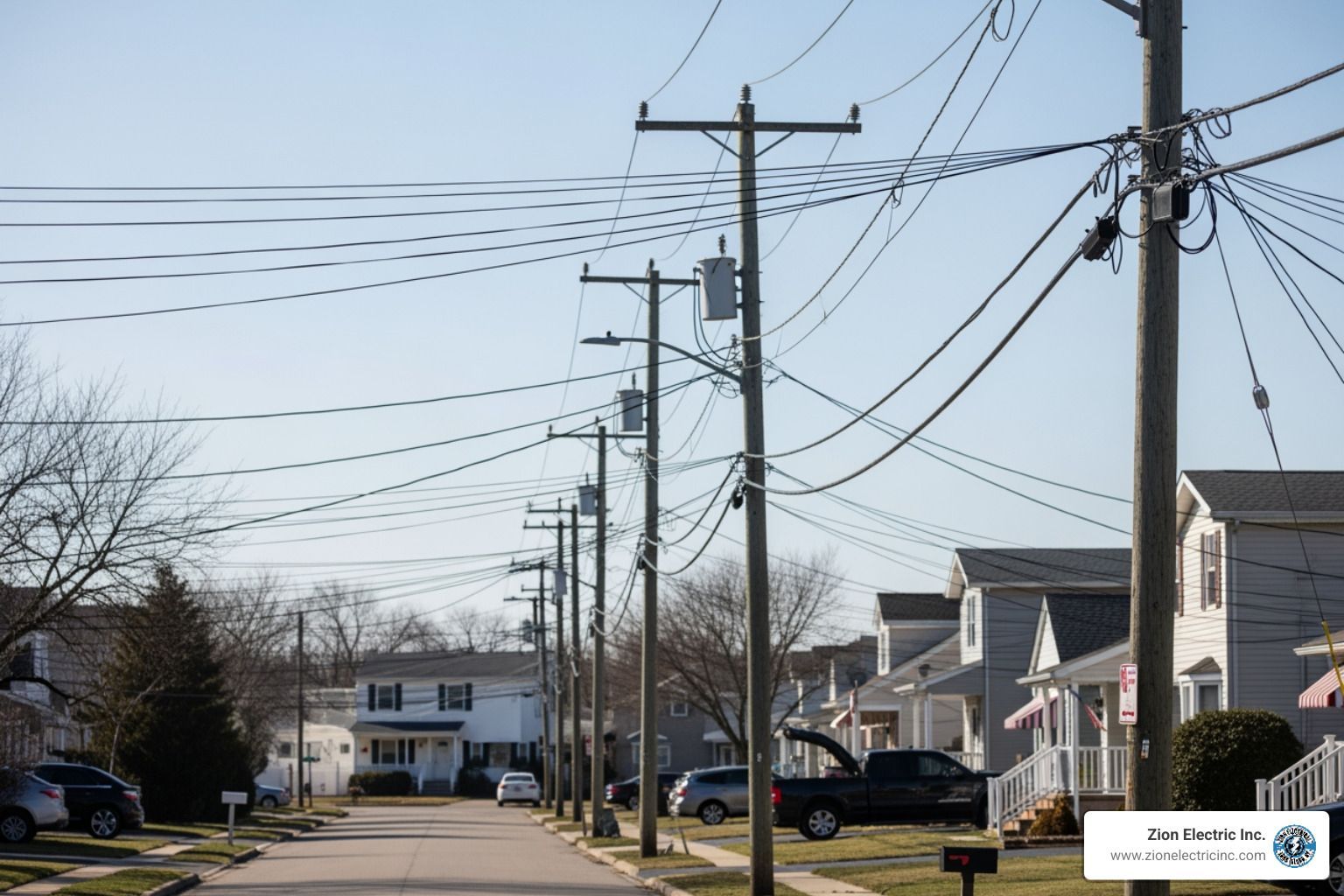
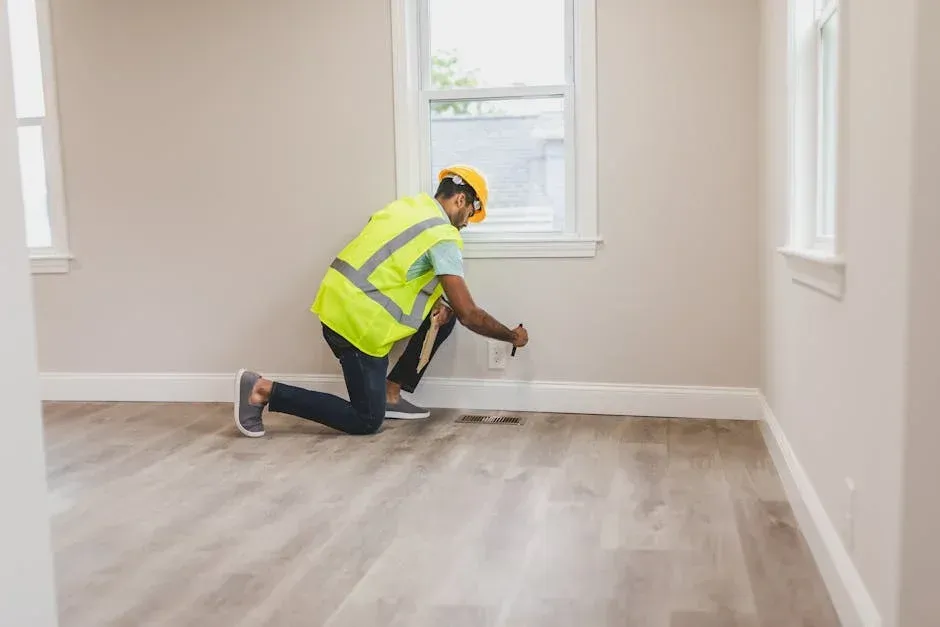
- Visual Examination: The inspection begins with a visual check of your service drop, meter, panel, and accessible outlets and switches for wear, damage, or improper installation.
- Testing of Outlets and Switches: We test a representative number of outlets for proper wiring, grounding, and polarity. We also test GFCI (Ground-Fault Circuit Interrupter) and AFCI (Arc-Fault Circuit Interrupter) devices to ensure they function correctly.
- Load Assessment on Circuits: We look for indicators of overloaded circuits, such as frequently tripped breakers, to determine if your system can safely handle your home's electrical demands.
- Checking for Proper Grounding: A robust grounding system is vital for safety. We examine the grounding connections to ensure they are secure and properly installed.
- Final Report Walkthrough: Once complete, our electrician will walk you through the findings, explain any risks, and recommend necessary repairs. You'll receive a detailed report for your records.
Key Components Examined by an Inspector
Our experts carefully examine these critical components:
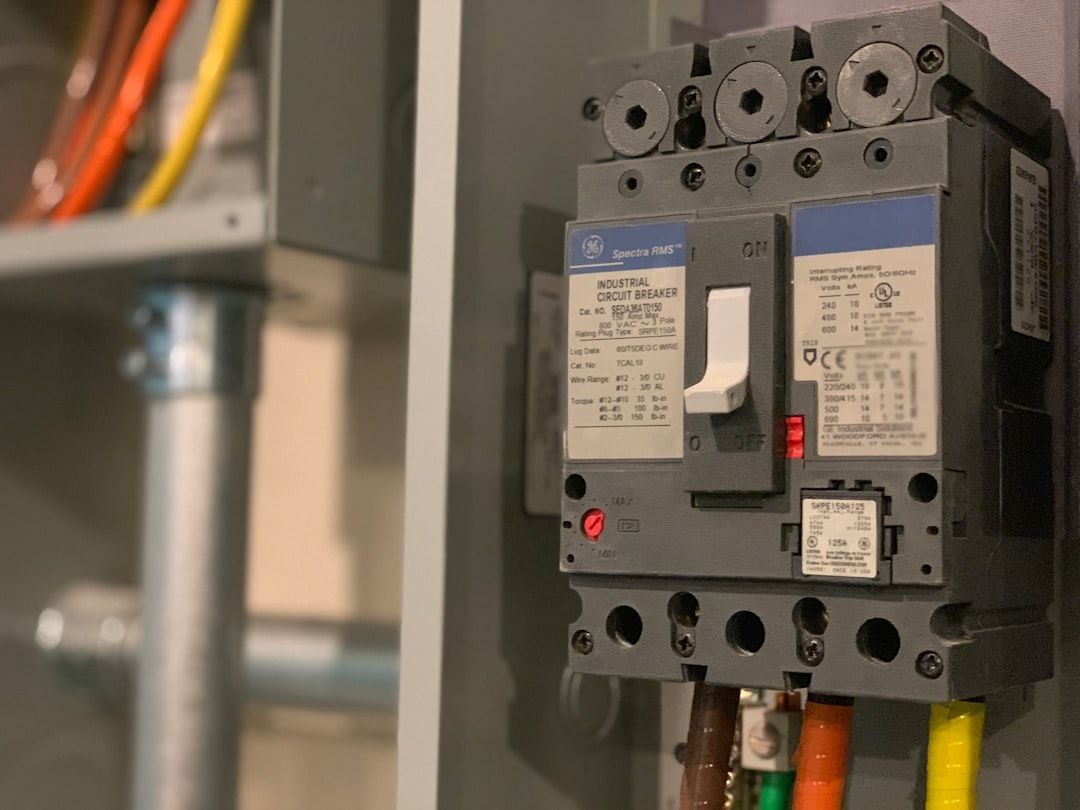
- Electrical panel (service panel): We check for rust, burn marks, proper breaker sizing, and hazards like "double taps."
- Circuit breakers and fuses: We assess their condition and sizing, noting if an outdated fuse box should be upgraded.
- Wiring type and condition: We identify the wiring type and look for damage, frayed insulation, or hazardous older systems like knob-and-tube or aluminum wiring.
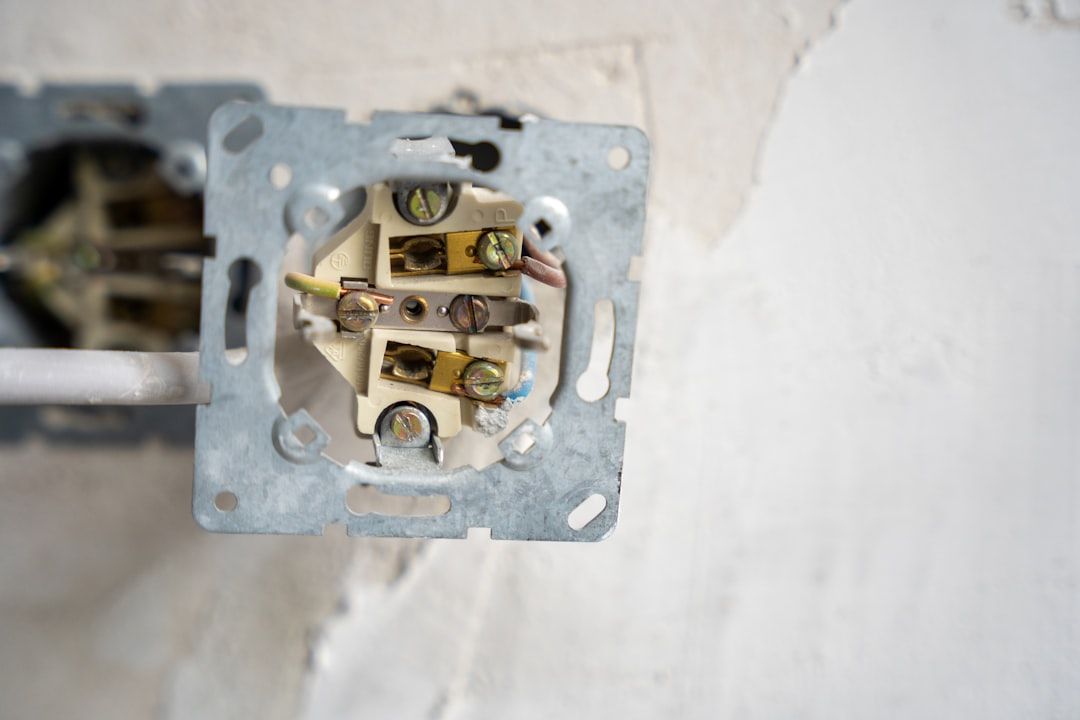
- Outlets and switches: We inspect for loose connections, discoloration, and proper grounding.
- GFCI and AFCI devices: We verify these crucial safety devices are present and working in required locations like kitchens, bathrooms, and bedrooms.
- Grounding system: We check the integrity of your home's grounding electrode system.
- Smoke and carbon monoxide detectors: We verify the placement and function of these life-saving devices.
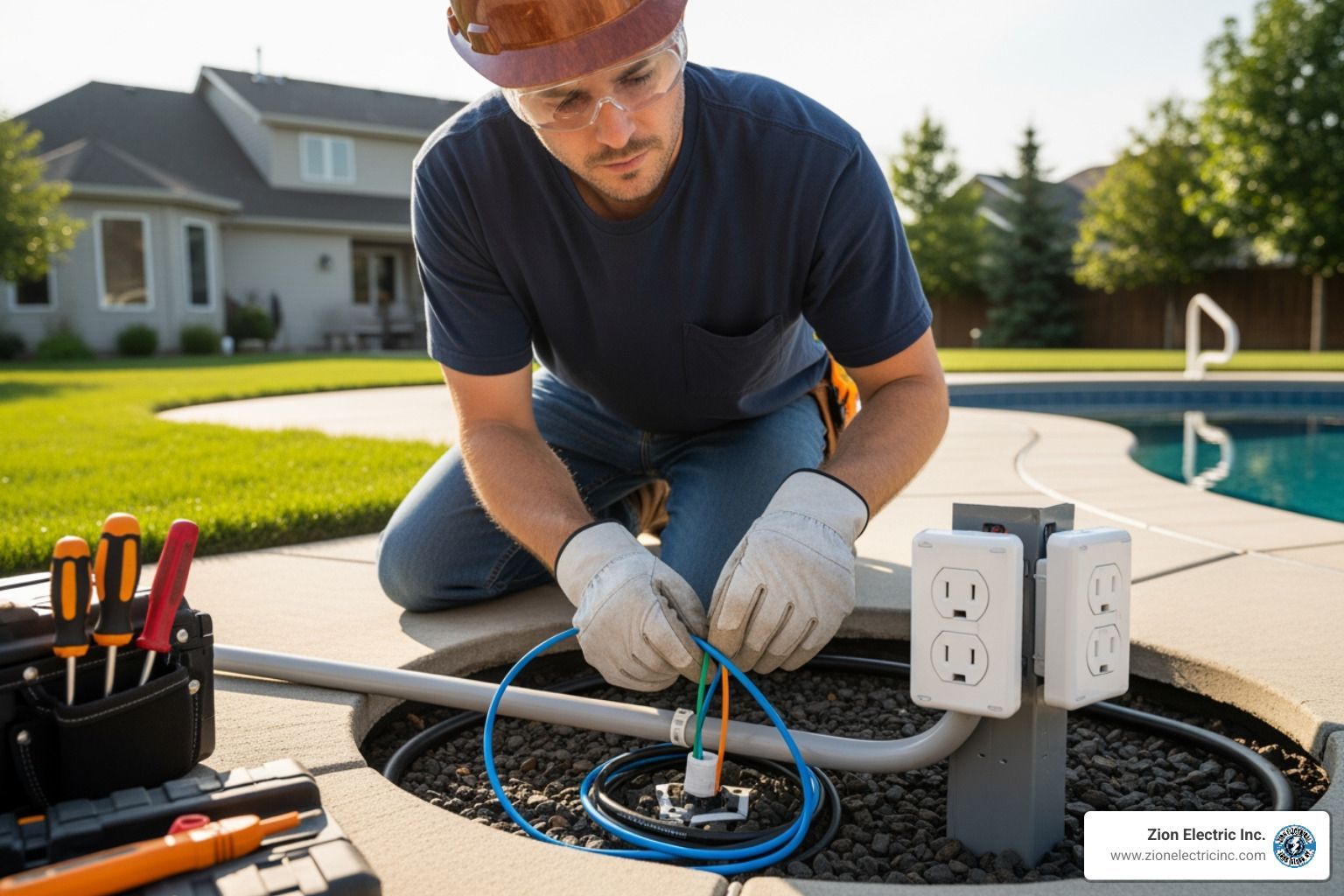
- Outdoor electrical systems: We examine exterior components for weather resistance and GFCI protection.
For a deeper dive into the technical aspects, the Electrical Module Section 3 provides an insightful overview.
How to Prepare for Your Inspection
To ensure a smooth inspection, a little preparation helps:
- Clear access to the electrical panel: Please ensure the area around your main panel is clear of clutter.
- Ensure access to outlets: Clearing access to a representative number of outlets helps expedite testing.
- Make a list of known issues: Note any flickering lights, strange smells, or other problems you've observed.
- Have questions ready: This is your chance to get expert answers about your home's electrical system.
- Unplug sensitive electronics: As a precaution during testing, it's a good practice to unplug computers and other sensitive devices.
Common Issues, Outdated Wiring, and Modern Safety Requirements
The world of electricity is governed by strict rules designed to keep us safe. Understanding common electrical issues, the dangers of outdated wiring, and the importance of modern safety devices is crucial for any homeowner. Our work adheres to the National Electrical Code (NEC) and local Long Island codes, addressing the twin threats of fire and shock risks from a compromised system.
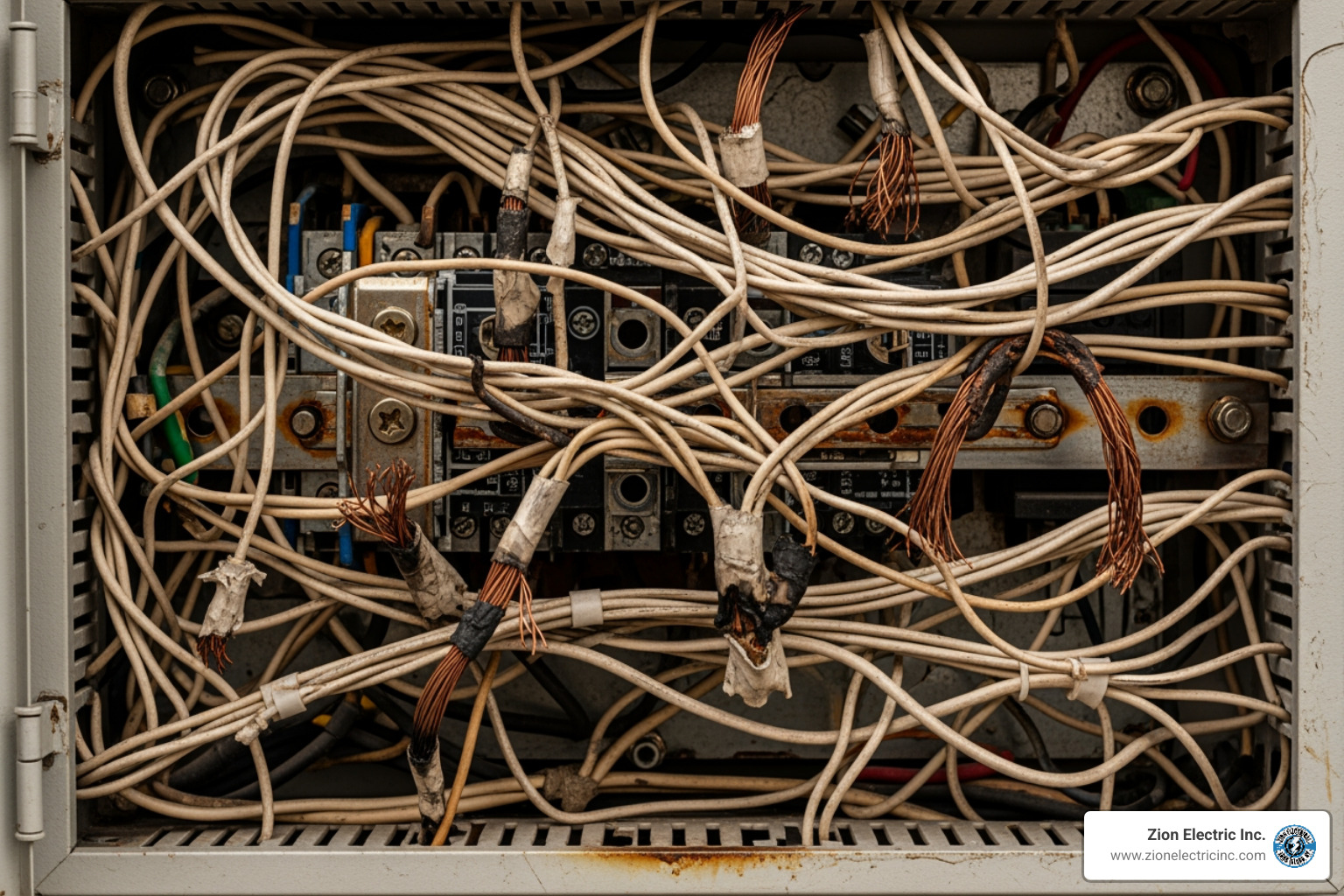
Common Issues Found During an Electrical Wiring Inspection
Our electricians frequently uncover a range of issues during an electrical wiring inspection:
- Exposed or damaged wiring: Frayed, cut, or uninsulated wires are a direct shock and fire hazard.
- Ungrounded outlets: Two-prong outlets lack a ground wire, increasing shock risk and potentially damaging electronics.
- Overloaded circuits: Drawing too much power on one circuit causes overheating and is a leading cause of electrical fires.
- Double-tapped breakers: Connecting two wires to a single-wire terminal creates a loose connection that can overheat and lead to a fire.
- Improperly sized breakers or wires: A breaker that is too large for the wire gauge can cause the wire to overheat before the breaker trips, creating a serious fire hazard.
- Lack of GFCI/AFCI protection: Many older homes lack these essential safety devices, significantly increasing the risk of shock (GFCI) and electrical fires (AFCI).
- Water intrusion in panels: Rust or water inside an electrical panel is a severe hazard that can cause short circuits, shocks, and fires.
The Dangers of Outdated Wiring: Knob-and-Tube and Aluminum
Many older Long Island homes contain wiring systems that are now considered hazardous.
- Knob-and-tube wiring risks: Used from the 1880s to the 1940s, this system's main risks include brittle insulation that can expose live wires, a lack of a safety ground wire, and frequent, improper modifications. Many insurance companies are reluctant to cover homes with active knob-and-tube wiring.
- Aluminum wiring hazards: Used from the mid-1960s to mid-1970s, aluminum wiring poses a fire risk due to its tendency to expand and contract, leading to loose, overheating connections. Safe use requires specific connectors and techniques that were often overlooked.
If your home has either of these wiring types, a professional electrical wiring inspection is highly recommended. Our specialty services include code-compliant solutions for these complex challenges.
Understanding GFCI and AFCI Protection
Modern electrical safety relies on two critical devices:
- Ground-Fault Circuit Interrupters (GFCI): These devices prevent severe electric shock. They monitor electrical current and shut off power almost instantly if they detect an imbalance, which could mean electricity is traveling through a person. The NEC requires GFCI protection in wet locations like kitchens, bathrooms, laundry rooms, garages, and outdoor areas.
- Arc-Fault Circuit Interrupters (AFCI): These devices prevent electrical fires. They detect unintended electrical arcs—often caused by damaged or frayed wiring—that can generate intense heat and ignite surrounding materials. AFCIs are required for circuits supplying outlets in most living areas, including bedrooms, living rooms, and hallways.
Costs, Permits, and Next Steps
Investing in a professional electrical wiring inspection is an investment in your home's safety and value. The cost is significantly less than the potential toll of an electrical fire. An inspection can identify minor issues before they become major, expensive repairs, leading to long-term savings. The price is typically influenced by your home's size, age, and the complexity of its electrical system.
How Much Does an Electrical Inspection Cost?
The cost of an electrical wiring inspection is an affordable safeguard.
- Average cost range: For a standard inspection in our Long Island service area, costs typically range from $100 to $350. This covers a thorough assessment of your panel, wiring, outlets, and safety devices.
- Infrared thermal imaging: For a more comprehensive analysis, infrared thermal imaging can detect hidden heat issues in your electrical system. This advanced service can add an average of $250 to the cost.
- Factors influencing price: The total cost depends on your home's square footage, age, and the complexity of its electrical setup.
Rough-In vs. Final Inspections for Construction
For new construction or major renovations, electrical inspections occur in two distinct stages:
| Feature | Rough-In Inspection | Final Inspection |
|---|---|---|
| Timing | After wiring is installed, before walls are closed | After all electrical work is complete, before occupancy |
| Purpose | To check wiring and connections before they are concealed | To ensure the entire system is safe, functional, and code-compliant |
| What's Checked | Wiring routes, box installation, grounding, wire gauge | Outlet/switch function, GFCI/AFCI tests, panel labels, fixtures |
The rough-in inspection is crucial for verifying the foundational wiring is safe before it's covered. The final inspection confirms that all components are installed correctly and the home is safe for occupancy.
What to Do if Your Inspection Reveals Problems
Finding issues during an electrical wiring inspection is the first step to a solution. Here's what to do next:
- Prioritizing repairs: Our detailed report will classify issues by severity. "Life-Threatening" hazards require immediate attention, while less critical issues can be planned. You can learn more about how deficiencies are classified from the National Standards for the Physical Inspection of Real Estate.
- Obtaining quotes for work: We can provide transparent, competitive quotes for the necessary repairs.
- Filing permits for repairs: For significant electrical work, permits are required to ensure code compliance. We handle this process for our projects.
- Scheduling a follow-up inspection: After repairs, a follow-up inspection verifies that all issues have been corrected and your system is safe.
Frequently Asked Questions about Electrical Inspections
Here are answers to some common inquiries we receive from Long Island homeowners about an electrical wiring inspection.
How often should I have my home's electrical system inspected?
General recommendations are:
- Every 5-10 years for most homes as a proactive measure.
- Every 3-5 years for older homes (40+ years), as their wiring is more prone to degradation.
- Always when buying or selling a home, or after major renovations involving electrical work.
Can I perform my own electrical wiring inspection?
While you can spot obvious trouble signs like frayed cords, a comprehensive electrical wiring inspection must be performed by a licensed professional. Electricians have the specialized testing equipment, training, and deep knowledge of electrical codes required for a thorough assessment. Attempting to diagnose or fix electrical problems yourself is extremely dangerous and can lead to severe injury, electrocution, or fire. For your safety, always rely on a licensed and insured electrical contractor.
Will an electrical inspection affect my home's value?
Yes, an electrical wiring inspection almost always has a positive impact on your home's value. A clean report, or one showing that all identified issues have been professionally repaired, significantly increases buyer confidence. It proves the home is safe and well-maintained, helps satisfy insurance requirements for older homes, and prevents minor issues from escalating into costly future repairs. It's a major selling point that provides invaluable peace of mind.
Ensure Your Long Island Home is Safe and Up to Code
At Zion Electric Inc., we believe every Long Island home deserves a safe and reliable electrical system. A professional electrical wiring inspection is a vital step in proactive home maintenance that protects your family, ensures code compliance, and preserves your property's value.
Our family-owned business has served Long Island for over 30 years, building a reputation for reliable, high-quality work. Our licensed electricians are experts at identifying all potential hazards, providing clear communication and top-tier solutions.
Don't wait for a minor issue to become a major hazard. Prioritize your home's electrical health today.
Schedule Your Professional Electrical Inspection Today with Zion Electric Inc., and let us help you ensure your home is safe and up to code.