Why EV Charging for Business Matters Now
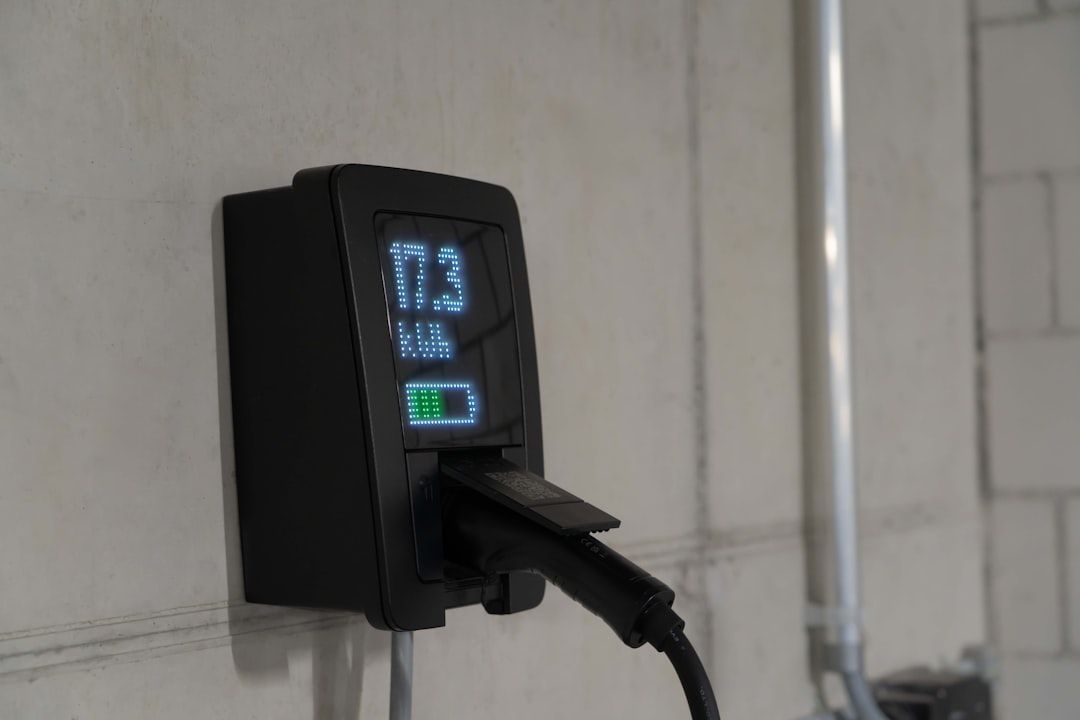
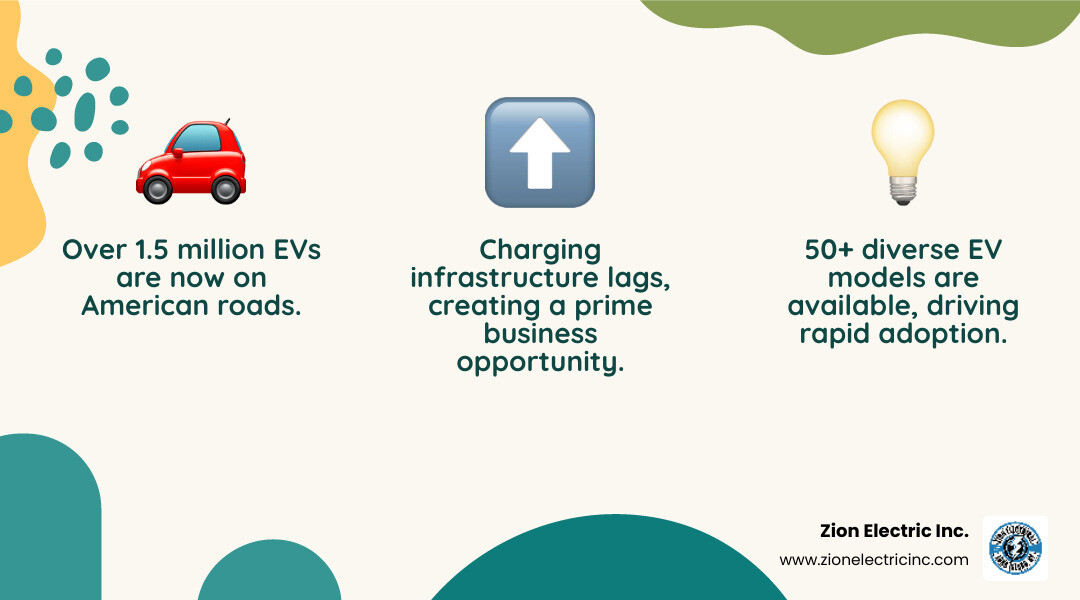
EV charging for business is no longer a futuristic concept—it's a strategic investment that's quickly becoming essential. With over 1.5 million electric vehicles already on American roads and more than 50 different models available, the shift to electric transportation is accelerating fast.
Key Reasons to Install EV Charging at Your Business:
- Attract and retain customers who drive EVs and actively seek charging locations
- Increase revenue through charging fees or extended customer visits
- Boost your brand as a sustainability leader and green business
- Support employees who expect workplace charging as EV ownership grows
- Future-proof your property as EVs rapidly replace traditional vehicles
- Access financial incentives including federal funding, state grants, and tax credits
The challenge is real: charging infrastructure hasn't kept pace with vehicle adoption. One of the primary barriers to EV ownership has always been the lack of convenient charging stations. As a business owner or property manager on Long Island, this gap represents an opportunity.
Your employees are already driving EVs—or soon will be. Before long, there may be more electric vehicles than gas-powered cars parked at your workplace during business hours. If you manage a fleet of company vehicles, the transition to electric is likely on your radar too.
The good news? Installing EV charging stations positions your business ahead of the curve. Once installed, your location automatically appears on the apps that EV drivers use daily to find charging spots. You'll gain visibility, demonstrate environmental leadership, and tap into a growing market of EV owners looking for places to power up while they work, shop, or visit.
The Compelling Benefits of Commercial EV Charging
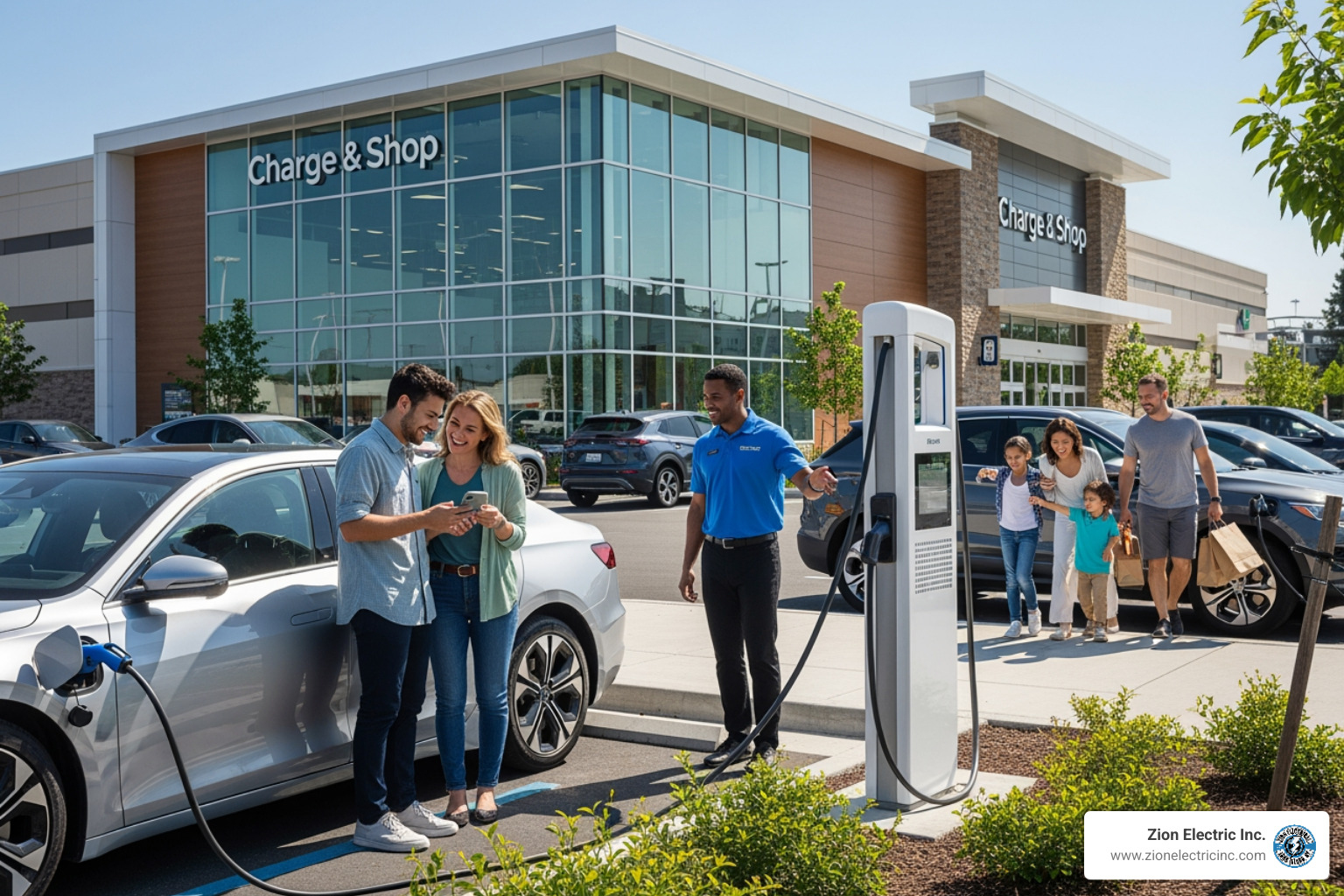
When we talk about EV charging for business, we're not just discussing a utility; we're talking about a multifaceted investment that yields significant returns. For businesses across Long Island, from busy retail centers in Holtsville to corporate campuses, installing EV charging stations offers a suite of advantages that can boost your bottom line, improve your reputation, and prepare you for the future.
Attracting Customers and Driving Revenue
Imagine a new stream of customers actively seeking out your location. That's precisely what happens when you install EV charging stations. Once our team at Zion Electric Inc. has completed your installation, your business automatically appears on the popular apps and navigation systems that EV drivers use to find charging spots. This isn't just passive visibility; it's a direct invitation to a growing demographic of environmentally conscious consumers.
These drivers often have higher disposable incomes and are looking for places where they can conveniently charge while they shop, dine, or conduct business. As a result, our clients often see increased foot traffic and customer dwell time. When customers spend more time at your establishment, they tend to spend more money. This can translate into a direct increase in revenue for your business. You can even choose to implement a fee-based charging model, turning your charging stations into an additional source of income. This competitive advantage is crucial in today's evolving market.
Boosting Your Brand and Employee Satisfaction
Beyond the immediate financial gains, EV charging for business is a powerful tool for brand building and talent attraction. By providing charging options, your business demonstrates a clear commitment to corporate social responsibility and environmental stewardship. This positions you as a "green business leader" in the community, appealing to customers and partners who prioritize sustainability. We've seen how this commitment can improve a company's public image and garner positive attention.
Furthermore, consider the impact on your employees. As EV ownership grows, so does the expectation for workplace charging. Offering EV charging as an employee perk can significantly boost morale, reduce commute anxiety for your team, and increase the affordability and convenience of driving electric. This not only helps in retaining your current valuable employees but also makes your business a more attractive prospect for top talent looking for a forward-thinking employer. It's a tangible way to show you care about your team's well-being and the planet.
Planning Your EV Charging for Business Strategy
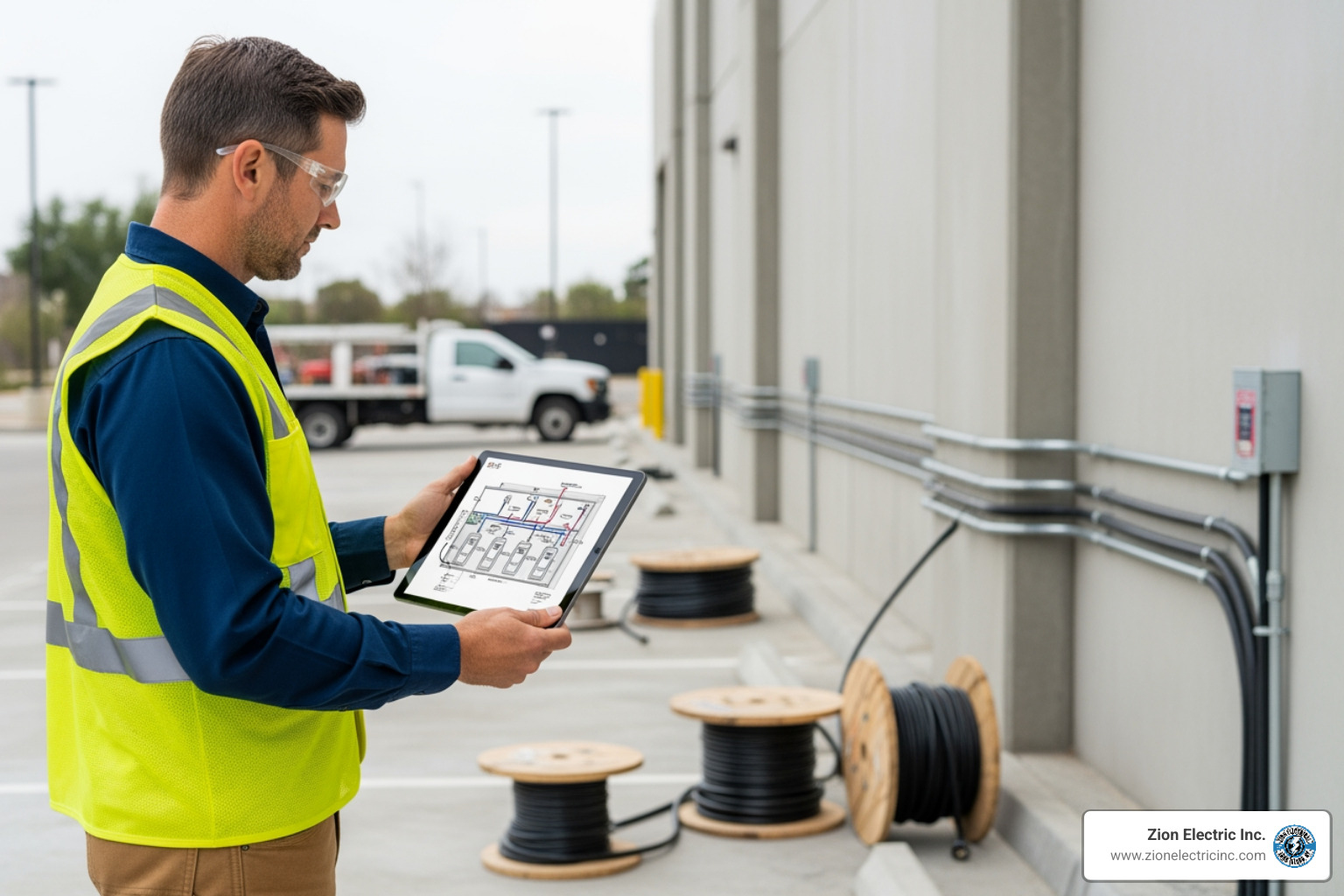
Implementing EV charging for business isn't just about plugging in a charger; it requires thoughtful planning and expert execution. Our team at Zion Electric Inc. understands that each business on Long Island has unique needs and challenges. That's why we emphasize a comprehensive approach, starting with a detailed site assessment.
We'll work with you to gauge employee interest through surveys, helping you understand the current and future demand for charging. Consulting with a qualified electrical contractor like us early in the process is crucial. We can evaluate your existing electrical capacity, identify any necessary upgrades, and guide you through choosing the best solutions. This initial planning phase also involves selecting a business model that aligns with your goals, whether that's offering free charging as a perk or generating revenue.
Choosing the Right Charger Level & Connector
Not all EV chargers are created equal, and selecting the right type is paramount for your business's success. Here’s a quick overview:
| Charger Level | Speed (Approx. Miles/Hour) | Cost (Relative) | Best Business Use Cases |
|---|---|---|---|
| Level 1 (120V) | 3-5 miles | Lowest | Overnight charging, employee perk where vehicles are parked for extended periods. |
| Level 2 (240V) | 20-30 miles | Medium | Most common for workplaces, retail, restaurants, hotels, where vehicles are parked for a few hours. |
| DC Fast Charging (Level 3) | 100-200+ miles | Highest | Highway rest stops, gas stations, quick-stop retail, destinations requiring rapid charging. |
For most businesses on Long Island looking to provide employee or customer charging, Level 2 chargers are the workhorses. They offer a good balance of charging speed and cost-effectiveness, typically fully charging a vehicle in 6 to 14 hours. If your business caters to quick stops, like a grocery store or a busy retail outlet, or you want to support public charging, DC Fast Charging might be a better fit, offering a significant charge in just 20 minutes to an hour. However, DC Fast Chargers are generally the most expensive to install.
We also need to consider connector standards. In North America, the SAE J1772 connector is the standard for Level 1 and Level 2 charging. For DC Fast Charging, the Combined Charging System (CCS) is widely adopted. An important development is the North American Charging Standard (NACS), which was originally proprietary to Tesla but is now becoming an industry standard, with many major automakers announcing its adoption. Our experts can advise on the best combination of connectors to maximize compatibility for your customers and employees.
Selecting a Business and Pricing Model
Deciding how you'll offer and charge for EV charging services is a key strategic decision. Many businesses initially opt for free charging as an attractive perk for employees or a value-add for customers. This can be a powerful incentive.
However, if you're looking to offset costs or generate revenue, fee-based models are common. These can include:
- Session fees: A flat fee per charging session.
- Per-kWh pricing: Charging based on the amount of electricity consumed.
- Per-hour pricing: Charging based on the duration the vehicle is plugged in.
- Hybrid models: Combining these approaches.
Our team can help you implement intelligent load management systems, which not only prevent overloading your electrical infrastructure but also provide smart revenue tools. These systems allow for real-time control over station access, pricing, and payment processing, ensuring a smooth experience for both you and the EV drivers. If you do implement fees, we often recommend pricing slightly above local residential electricity rates to cover operational costs without becoming a barrier to use.
Key Considerations for Implementing EV Charging for Business
Beyond the charger type and pricing, several practical considerations are vital for a successful installation:
- Number of Stations Needed: This depends on your anticipated demand, employee EV adoption rates, and customer traffic. We'll help you project your needs.
- Parking Space Allocation: Dedicated EV charging spots are essential.
- ADA Accessibility Compliance: The Americans with Disabilities Act (ADA) applies to EV charging stations. We ensure your installation complies with accessibility regulations so all customers can charge with ease.
- Cabling and Trenching: Proper electrical infrastructure is critical. For longer cable runs, effective cable management systems are necessary to prevent damage and ensure safety.
- Networked vs. Non-Networked Chargers: Networked chargers offer advanced features like remote monitoring, payment processing, and load management, which are typically essential for commercial applications.
- Scalability for Future Growth: We design systems with future expansion in mind, ensuring your infrastructure can grow with EV adoption.
- Specialty Electrical Services: As a full-service electrical contractor, our Specialty Services and General Electrical Services cover everything from initial site assessment to panel upgrades and complete installation.
Navigating Finances, Regulations, and ROI
Investing in EV charging for business can seem like a significant undertaking, but understanding the financial landscape and regulatory environment is key to maximizing your return on investment (ROI). On Long Island, we're fortunate to have access to various incentives that can dramatically reduce upfront costs and improve long-term profitability.
Financial Incentives and Maximizing Your ROI
The good news for businesses on Long Island and in Holtsville is that numerous financial incentives exist to support EV charging infrastructure. These can include:
- Federal Funding: While many federal grants, such as those from the Bipartisan Infrastructure Law, often target rural communities, it's always worth exploring federal tax credits and programs that may apply to your business. The addition of an EV charging station can provide sizable tax benefits.
- State Programs: New York State actively promotes EV adoption. Programs like the NYS Alternative Fuels & EV Charging Infrastructure Property Credit and the NYSERDA Charge Ready 2.0 incentive for charging stations can provide substantial financial assistance.
- Local Utility Incentives:
PSEG Long Island offers vital programs custom for businesses in our service area:
- EV Make Ready Incentive Program: This program provides incentives for the infrastructure needed to power Level 2 and DCFC across Long Island.
- DCFC Demand Charge Rebate: Public direct current fast charging (DCFC) stations can incur significant demand charges, and this rebate helps offset those costs for a limited time.
- EV Phase-In Rate: Starting October 1, 2025, this rate will offer discounted electricity pricing for commercial charging stations. It's designed to provide near-term cost relief when operating low-usage charging stations, with PSEG Long Island calculating your Load Factor twice per year to determine the appropriate rate tier. This is a crucial step in addressing the cost concerns of operating charging stations.
- Disadvantaged Communities (DAC) Incentives: PSEG Long Island offers higher incentives for projects in DACs, ensuring underserved communities benefit. You can check if your project falls within a DAC by using the NYSERDA disadvantaged communities map.
Calculating ROI goes beyond direct revenue from charging. It encompasses increased property value, improved brand appeal, employee retention, and cost savings from tax benefits and incentives. With the number of EVs on the road continuing to grow rapidly, the demand for charging stations at businesses like yours will only mount, making this investment increasingly profitable.
Essential Regulations for EV Charging for Business
Navigating the regulatory landscape is a critical step in setting up EV charging for business. Our team at Zion Electric Inc. ensures your installation is fully compliant with all relevant codes and standards:
- Local Permits: Before any installation begins, securing the necessary local permits is essential. The Alternative Fuels Data Center maintains resources and permit templates that provide a framework for what to expect. We handle this process for you.
- National Electric Code (NEC) Requirements: All electrical installations, including EV charging stations, must adhere to the rigorous standards outlined in the National Electric Code (NEC) Article 625. This covers everything from wiring and overcurrent protection to equipment placement and ventilation. Our certified electricians are experts in NEC compliance.
- ADA Compliance Review: As mentioned, accessibility is paramount. The Americans with Disabilities Act (ADA) applies to EV charging station businesses, ensuring disabled customers can charge with ease. We carefully review your site plans to guarantee ADA compliance.
- Open Standards: We advocate for and implement solutions that use open communication standards like the Open Charge Point Protocol (OCPP). OCPP is a universal standard that allows hardware and software from different providers to work together seamlessly, future-proofing your investment and avoiding vendor lock-in.
- Data Security and Privacy: If you're processing payments or collecting user data, compliance with standards like SOC 2 for information security and PCI DSS for safeguarding customer payment information is crucial. We help ensure your system adheres to these critical data protection protocols.
Ongoing Management and Maintenance
Once your EV charging stations are installed, the journey doesn't end there. Ensuring their reliability and providing a seamless user experience is vital for a successful EV charging for business program. Our commitment at Zion Electric Inc. extends beyond installation; we want your charging stations to be an asset, not a headache.
Ensuring Station Reliability and Uptime
Operating a successful EV charging station business means ensuring every piece of the operation stays in working order. Downtime means lost revenue and frustrated users. Here’s how we help ensure reliability:
- Routine Inspections: Regular checks of outer hardware components for damage, wear, and debris are crucial, especially after severe Long Island weather. Cleaning connectors and cables helps ensure longevity and functionality.
- Software Management: Modern EV charging stations are often managed by sophisticated software. We ensure your system uses a robust software-driven power management system for safe and efficient load allocation, with safeguards for lost connectivity. This software also enables remote monitoring, allowing for proactive identification and resolution of issues.
- Over-the-Air Updates: Just like your smartphone, charging equipment firmware and software benefit from regular updates. We ensure your stations receive these over-the-air updates to maintain optimal performance and security.
- 24/7 Support: While we strive for perfection, issues can arise. Having access to responsive customer support for troubleshooting and minimizing outages is paramount.
- Vandalism Prevention: Strategic placement and robust equipment can deter vandalism. For longer charging cables, proper cable management systems are essential to prevent damage and tripping hazards. Our General Electrical Services can also address any electrical issues that might impact uptime.
Engaging Employees and Customers
You've made the investment, now let's make sure everyone knows about it and uses it! Effective engagement is key to maximizing the benefits of your EV charging for business stations.
- Announce the New Amenity: Make a splash! Announce your new charging stations through internal communications, local press releases, and social media.
- Clear Signage: Install prominent and easy-to-understand signage that directs drivers to the charging stations and explains how to use them.
- Charging Etiquette Guidelines: Especially in a workplace setting, clear guidelines on charging etiquette (e.g., when to move a fully charged car) can prevent conflicts and ensure fair access. We can help you draft a sample etiquette booklet.
- Get Listed on Charging Maps: As mentioned, your stations will automatically appear on many EV driver apps. We can help ensure your business is accurately listed and optimized for findy.
- Host Educational Events: Consider organizing "ride-and-drive" events or informational sessions to educate employees and customers about the benefits of EVs and how to use your new charging stations.
- Promote on Social Media: Share photos and updates on your social media channels to highlight your commitment to sustainability and attract EV drivers.
Frequently Asked Questions about Commercial EV Charging
How much does it cost to install a commercial EV charger?
The cost to install a commercial EV charger on Long Island can vary significantly. It's not a one-size-fits-all answer, as several factors come into play:
- Charger Level: Level 2 chargers are generally more affordable than DC Fast Chargers (Level 3).
- Site Complexity: Existing electrical infrastructure, the distance from the main electrical panel, and the need for trenching or extensive wiring can all impact costs.
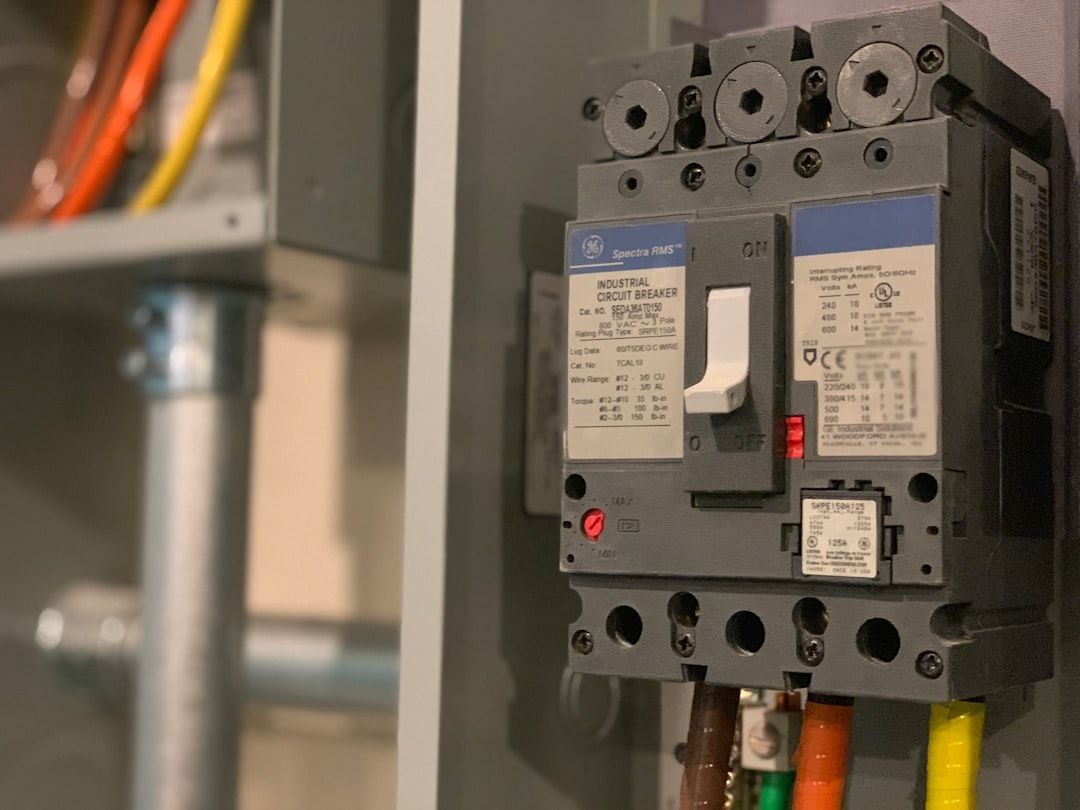
- Electrical Upgrades: Your current electrical capacity might need to be upgraded to accommodate multiple or high-power charging stations, adding to the expense.
- Hardware and Software: This includes the cost of the charging unit itself, as well as any necessary networking software, payment processing systems, and ongoing network fees.
However, it's crucial to remember that financial incentives, grants, and rebates from federal, state, and local utility programs (like those offered by PSEG Long Island) can significantly lower your upfront costs. Our team at Zion Electric Inc. can provide a detailed quote after a site assessment and help you identify eligible incentives.
Can my building's electrical system handle EV chargers?
This is a common and excellent question! The answer depends on your building's current electrical capacity and the type and number of EV chargers you plan to install. A professional site assessment by a qualified electrical contractor like Zion Electric Inc. is absolutely crucial.
During this assessment, we'll evaluate your existing electrical panels, service entrance capacity, and overall electrical load. For multiple or high-power stations, upgrades to your electrical panels or service may be necessary to safely handle the increased demand. However, intelligent load management software can be a game-changer. This technology allows you to balance power usage across multiple chargers and other building systems, preventing overloads and optimizing energy consumption without always requiring costly infrastructure upgrades. We work closely with your utility and other stakeholders to ensure your system is robust and compliant.
How long does it take to charge an EV at a business?
The charging time largely depends on the type of charger installed:
- Level 2 Chargers: These are the most common for workplaces and retail locations. They typically add 20-30 miles of range per hour of charging. This is ideal for employees who park for a full workday or customers who spend an hour or two shopping or dining.
- DC Fast Chargers (Level 3): These are designed for rapid charging and are best suited for quick-stop locations like highway rest areas or gas stations. They can add over 100 miles of range in under 30 minutes, sometimes even faster, depending on the vehicle and charger power.
We'll help you choose the charging level that best matches your business's typical customer dwell times and employee needs.
Boost Your Long Island Business with EV Charging
The future of transportation is electric, and the opportunity for businesses on Long Island to lead this charge is now. Investing in EV charging for business is more than just an amenity; it's a strategic move that improves your brand, attracts new customers, satisfies employees, and future-proofs your property. From the busy streets of Holtsville to every corner of Long Island, we are seeing the demand for EV charging surge.
Don't let your business be left behind. By partnering with an experienced and reliable electrical contractor, you can steer the complexities of installation, regulations, and incentives with ease. Zion Electric Inc. has been serving Long Island for over 30 years, providing high-quality electrical solutions with clear communication, quick response, and top-tier workmanship. We're here to provide expert guidance and certified installations for all your commercial electrical needs, ensuring your EV charging infrastructure is reliable, efficient, and ready for tomorrow.
Take the next step in future-proofing your business and demonstrating your commitment to a sustainable future. Let's power up Long Island, together. Get started with Certified Installations.