Why Commercial Electrical Service Upgrades Matter for Your Business
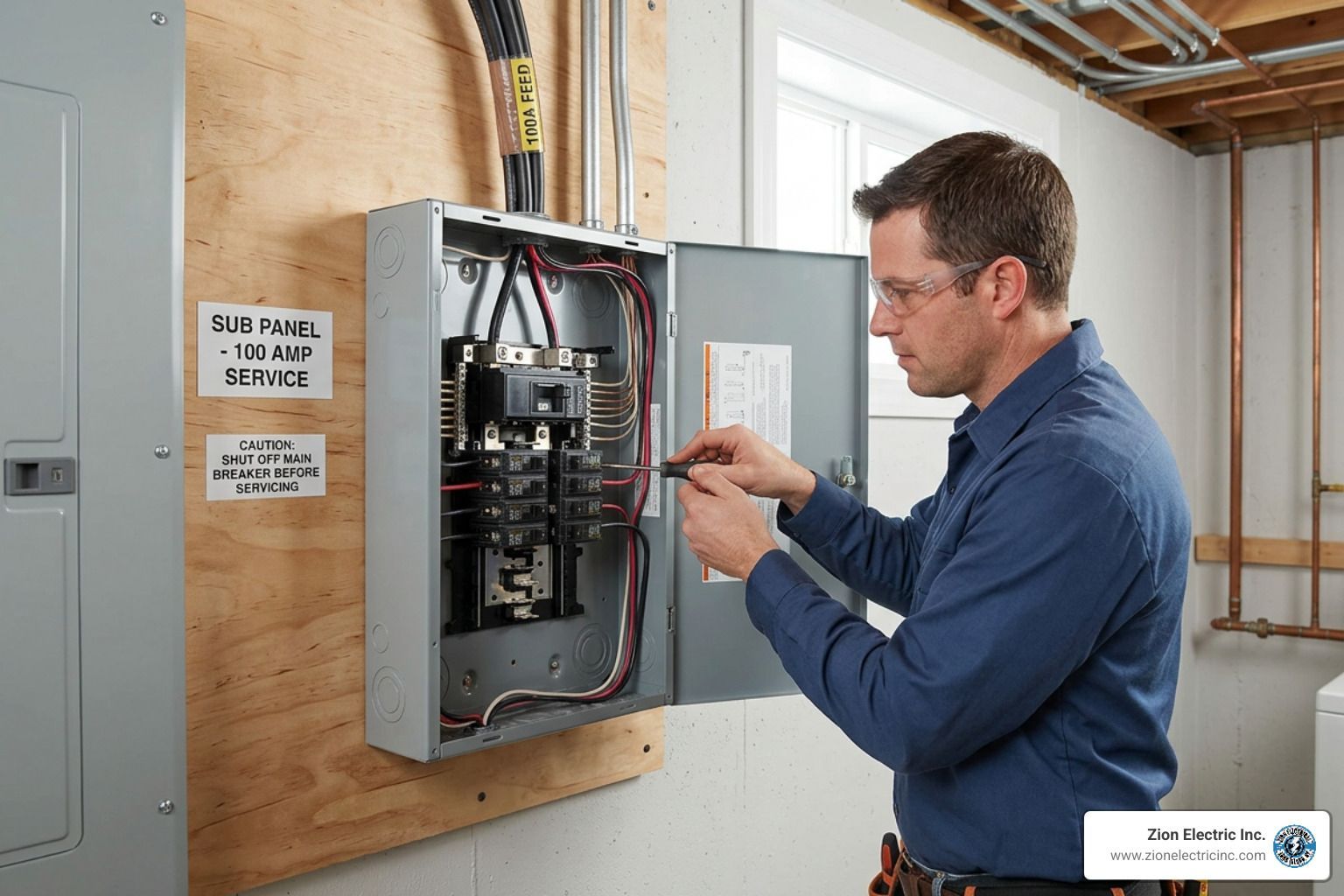
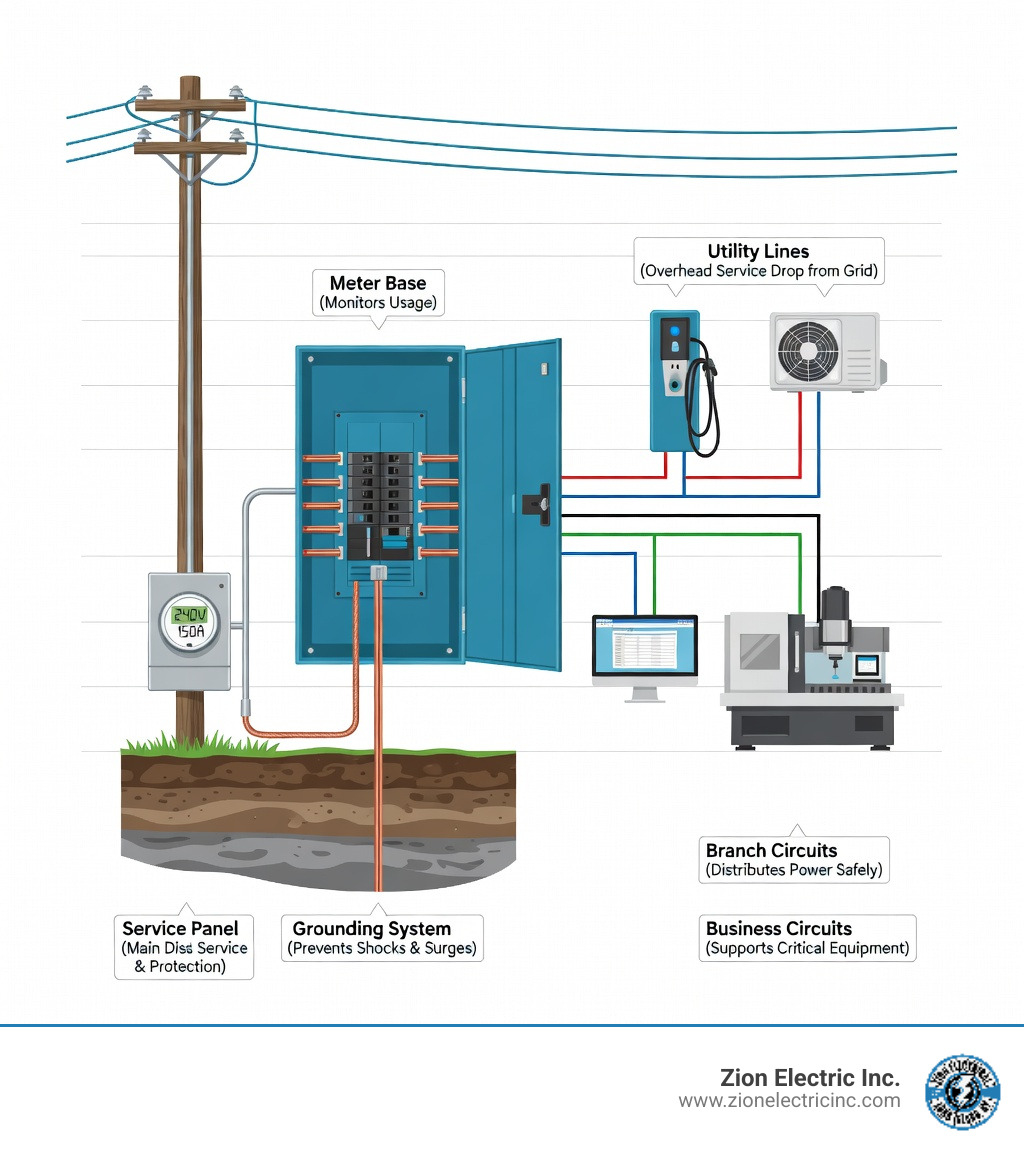
A commercial electrical service upgrade is the process of replacing or expanding your business's main electrical infrastructure—including the service panel, meter base, grounding system, and connection to the utility—to handle increased power demands safely and efficiently.
Quick Overview of Commercial Electrical Service Upgrades:
- What it includes: New meter base, upgraded service mast or conduit, modern circuit breakers, grounding system, and utility coordination
- When you need it: Frequent breaker trips, flickering lights, equipment over 25 years old, adding major loads like EV chargers or HVAC
- Typical timeline: Most upgrades complete in one day; larger projects may take longer due to utility scheduling
- Average cost: $3,000–$4,500 for standard 200-amp residential; commercial costs vary based on voltage and complexity
- Key requirement: ESA or local electrical permit and inspection mandatory in most jurisdictions
Your electrical service is the power connection between your property and the utility. When that service is undersized or outdated, it limits what your business can safely run. Modern businesses consume many times more electricity than typical households—and far more than buildings wired 30 years ago could handle.
If you're seeing repeated breaker trips, dimming lights when equipment starts up, or you've received a Customer Action Form (CAF) from your utility flagging unsafe equipment, you're not alone. Older 60-amp or 100-amp services simply can't support today's demands from air conditioning, computers, machinery, and specialized equipment.
The good news? Most commercial electrical service upgrades are straightforward when you work with licensed professionals who handle permits, utility coordination, and inspections from start to finish. Upgrading not only prevents dangerous electrical fires and costly downtime—it also positions your facility for growth, improves insurance compliance, and ensures your team works in a safe environment.
Recognizing the Need for an Electrical Upgrade
Determining when to pull the trigger on a commercial electrical service upgrade can be the difference between a smooth-running operation and a sudden, expensive blackout. For businesses in Long Island, the signs are often hiding in plain sight.

Telltale Signs of an Overwhelmed System
If your office feels like a haunted house with flickering lights or if your staff is constantly playing "find the tripped breaker," your system is shouting for help. Common red flags include:
- Repeatedly Tripping Breakers: This is your system’s way of saying it’s at its limit. If a breaker trips every time the coffee maker and the copier run simultaneously, you have a capacity issue.
- Flickering or Dimming Lights: This often happens when high-draw equipment (like an HVAC unit or heavy machinery) kicks on, pulling power away from other circuits.
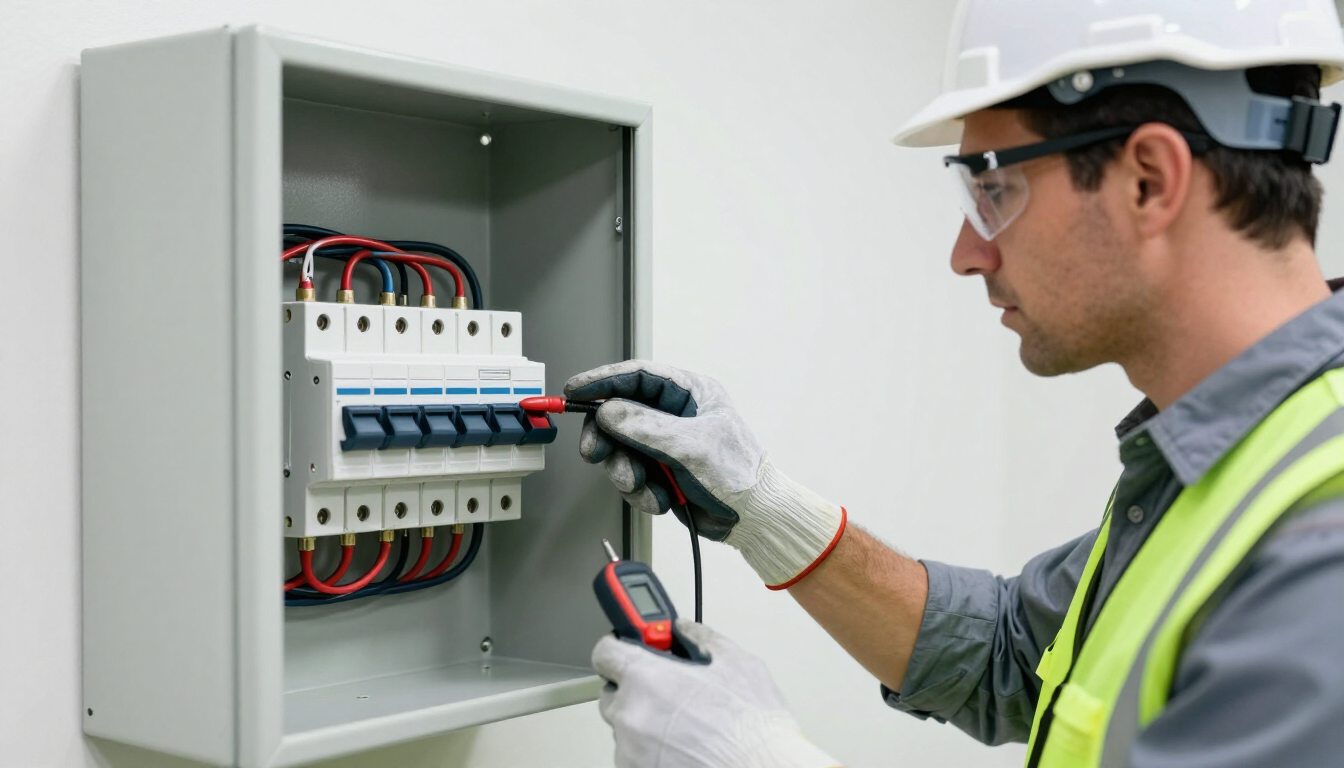
- Overheating Panels or Burning Smells: If the electrical panel is warm to the touch or smells like ozone or burning plastic, you are in a dangerous situation that requires immediate General Electrical Services.
- Obsolete Fuse Panels: If your building still uses fuses instead of circuit breakers, you are likely operating on technology that is decades past its prime and potentially uninsurable.
The 25-Year Rule
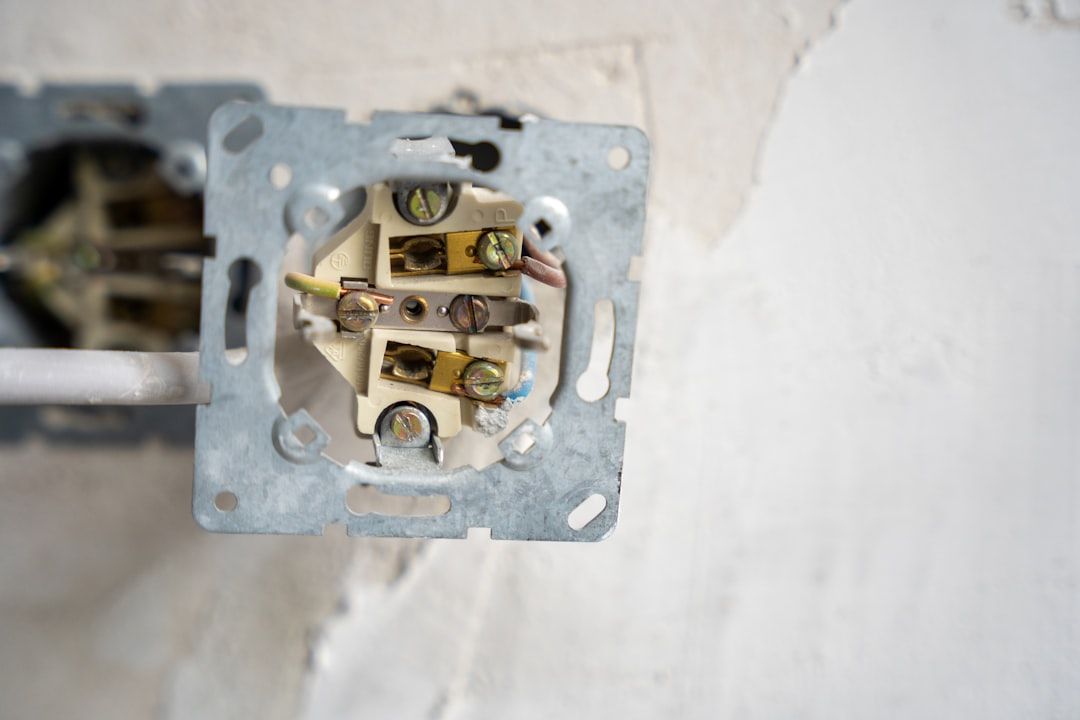
Most electrical panels have a reliable lifespan of about 25 to 30 years. If your commercial property is older and hasn't seen a service upgrade since the 90s, the internal components may be corroded or simply unable to handle modern "vampire" loads. In a public-facing business like a restaurant or retail shop, a blown circuit doesn't just halt productivity—it creates bad word-of-mouth that can sink your reputation.
Key Components and Types of Commercial Upgrades
When we talk about a commercial electrical service upgrade, we aren't just swapping out a box on the wall. We are often rebuilding the entire "highway" that brings electricity from the street into your building.
Overhead vs. Underground Service
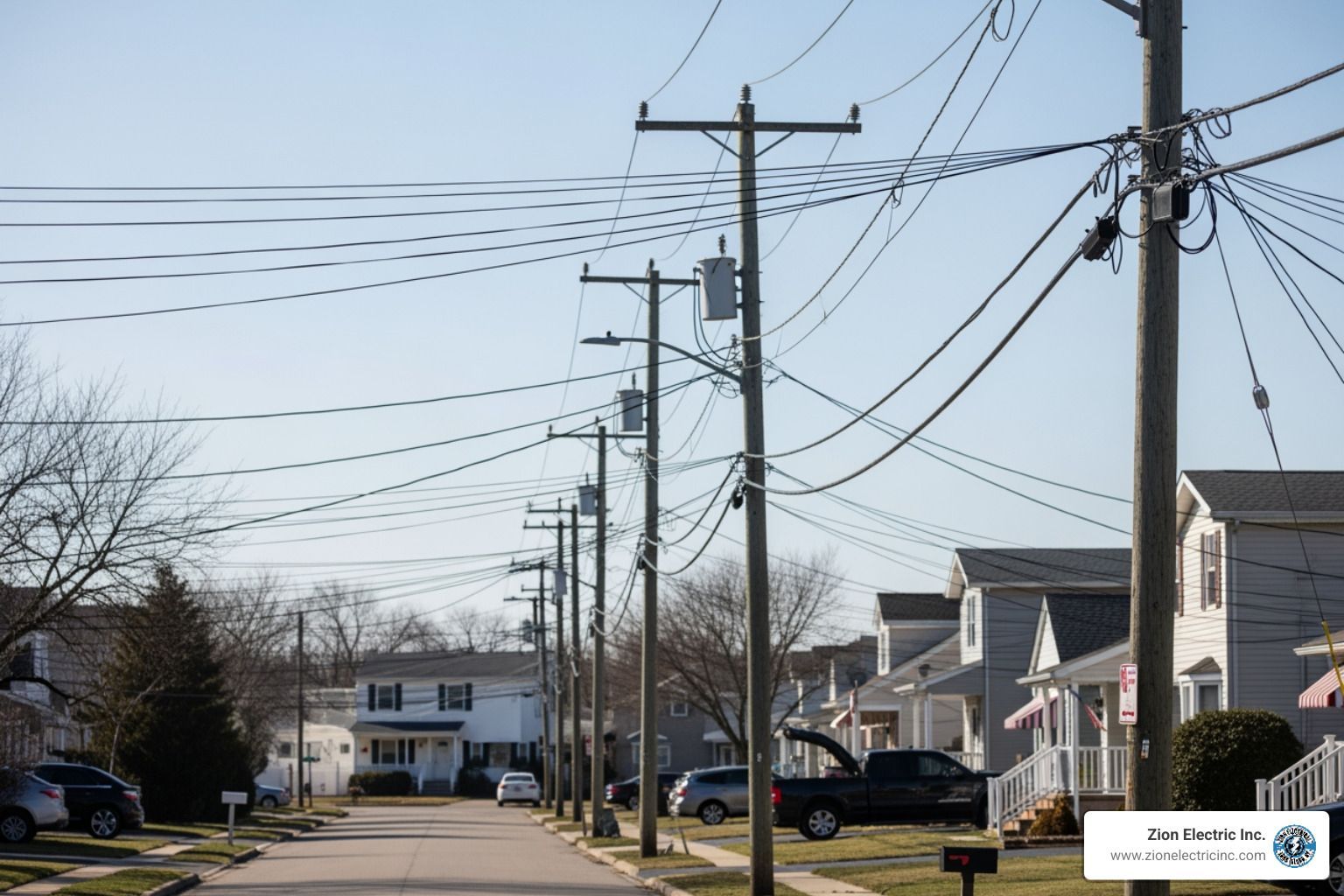
One of the first decisions involves how the power reaches your building. On Long Island, this often depends on your specific municipality and the existing utility infrastructure.
| Feature | Overhead Service | Underground Service |
|---|---|---|
| Visibility | Visible wires from pole to building | Hidden wires in buried conduit |
| Cost | Generally lower initial cost | Higher due to trenching and conduit |
| Durability | Vulnerable to wind and falling branches | Protected from weather; vulnerable to "dig-ins" |
| Aesthetics | Can look cluttered | Clean, professional appearance |
| Maintenance | Easier to access for repairs | Requires specialized locating equipment |
Essential Components
A comprehensive upgrade typically involves:
- Service Mast: The heavy-duty pipe that protects the wires coming from the utility pole.
- Meter Base: The enclosure that holds the utility's meter. Modern commercial upgrades often require larger bases or "CT cabinets" for high-amperage loads.
- Grounding Systems: This is your safety net. Upgrading ensures that stray electricity has a safe path to the earth, protecting people and sensitive electronics.
- Main Disconnect: A single switch that allows you to shut off all power to the building in an emergency.
- Panel Capacity: Moving from a 200-amp to a 400-amp or even an 800-amp service to accommodate growth.
For technical specifications and standards required by utilities like Con Edison or PSEG, professionals often refer to the Commercial Electric Blue Book.
The Step-by-Step Process of a Commercial Electrical Service Upgrade
Upgrading a commercial service is a choreographed dance between the business owner, the electrical contractor, the local municipality, and the utility provider (like PSEG Long Island).
- Site Assessment and Load Calculation: We begin by auditing your current usage and projected future needs. We calculate the "total connected load" to ensure the new service is sized correctly.
- Permit Acquisition: No commercial work should ever proceed without a permit. This ensures the work meets the National Electrical Code (NEC).
- Utility Coordination: We contact the utility to request a "service layout." This tells us exactly where they want the meter and what equipment they require.
- The "Rough-In": We install the new mast, meter base, and panel while your old system is still running to minimize downtime.
- The Cut-Over: On a scheduled day, the utility disconnects the old power, we finish the final connections to the new system, and the local inspector verifies the work.
- Inspection and Compliance: Once the inspector signs off, the utility provides the final hookup and installs the new meter.
In some cases, a utility might issue a Customer Action Form (CAF). This is a formal notice that your equipment—like a rusted service mast or a loose meter socket—is unsafe and must be repaired or upgraded immediately to avoid a service disconnection. If you've received one of these, our Specialty Services team can help you resolve it quickly.
Planning Your Commercial Electrical Service Upgrade
Effective planning prevents "sticker shock" and scheduling headaches. This phase involves reviewing blueprints for any planned expansions and drafting "load letters." A load letter is a formal document we provide to the utility that justifies the need for more power. For businesses in our region, following the PSEG Long Island Service Guide (or equivalent local standards) ensures that the equipment we install is exactly what the utility expects to see.
Navigating Regulatory Requirements and Permits
In locations like Holtsville or across greater Long Island, regulatory compliance is non-negotiable. This includes ensuring all work is up to the latest NEC standards and passing local building department inspections. For businesses in specific areas like the Rockaway Peninsula, additional NYC-specific permits may be required. Using a contractor experienced in Certified Installations ensures that your insurance remains valid and your building stays legal.
Maximizing ROI and Future-Proofing Your Facility
A commercial electrical service upgrade is an investment, not just an expense. By increasing your capacity now, you avoid the much higher costs of emergency repairs later.
Benefits Beyond Basic Power
- Energy Efficiency: Modern panels and breakers have less internal resistance and better connections, which can lead to marginal improvements in energy efficiency.
- Lower Insurance Premiums: Many insurance companies offer lower rates for buildings with modern, breaker-based electrical systems compared to those with old fuse boxes or 30-year-old panels.
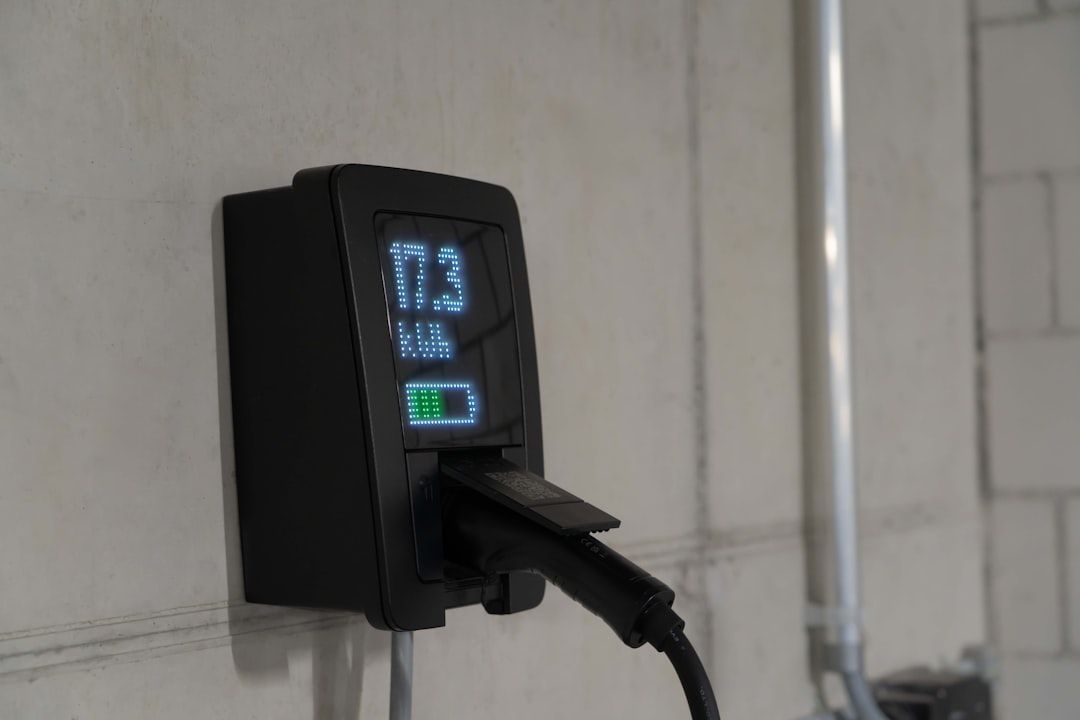
- Support for New Technologies: Want to install EV charging stations for your employees or customers? You’ll likely need a service upgrade to handle that massive new draw.
- Scalability: If you plan to add more refrigeration, server racks, or specialized medical equipment, an upgraded panel gives you the "headroom" to grow without worry.
Cost Factors in a Commercial Electrical Service Upgrade
While a residential upgrade might stay in a predictable range, commercial costs are influenced by:
- Voltage Requirements: 120/208V vs. 277/480V systems.
- Material Costs: The price of copper and large-gauge conduit fluctuates.
- Downtime Management: If we need to work overnight or on weekends to keep your business running, labor costs may adjust.
- Utility Fees: Some utilities charge for the actual hookup or for "excess distribution facilities" if your load is exceptionally large.
Frequently Asked Questions about Commercial Upgrades
How long does a commercial upgrade take?
For most small to medium businesses, the actual "power out" portion of a commercial electrical service upgrade is completed in a single day. However, the entire process—from filing for permits to the final utility inspection—can take 4 to 8 weeks depending on the utility's backlog and the complexity of the site.
Will my business experience downtime?
Yes, there will be a period where the power must be turned off to safely connect the new service. We typically coordinate this during off-peak hours or weekends to minimize the impact on your operations. For critical facilities, we can often arrange for temporary generator power to keep essential systems running.
Do I need a new meter for an upgrade?
Almost always. When you increase the amperage of your service, the old meter is usually not rated for the higher load. The utility will provide a new meter, but you (the customer) are responsible for providing the new, correctly rated meter base or cabinet.
Conclusion
At Zion Electric Inc., we understand that your business’s power is its lifeblood. With over 30 years of experience serving Long Island and Holtsville, NY, our family-owned team knows exactly how to steer the local codes and utility requirements of our region. We pride ourselves on clear communication and top-tier workmanship, ensuring that your commercial electrical service upgrade is handled with the professionalism your business deserves.
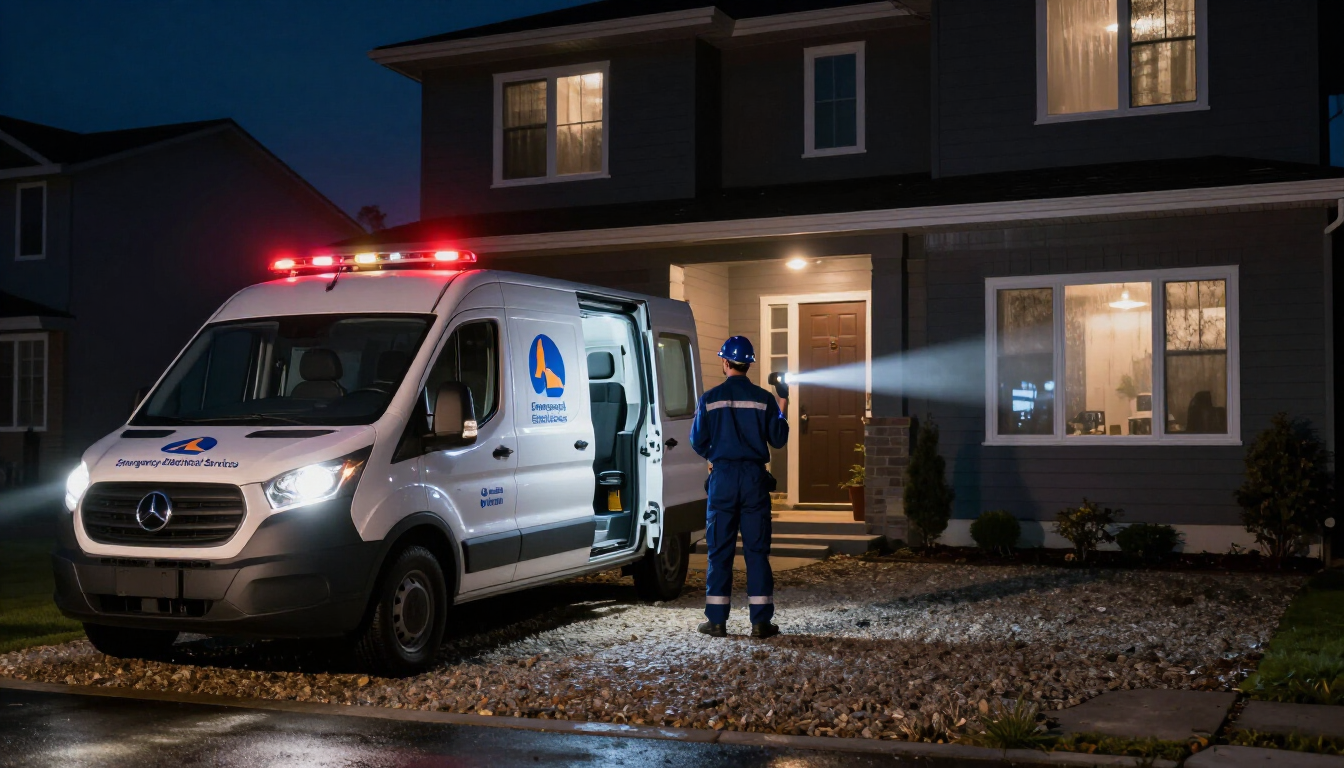
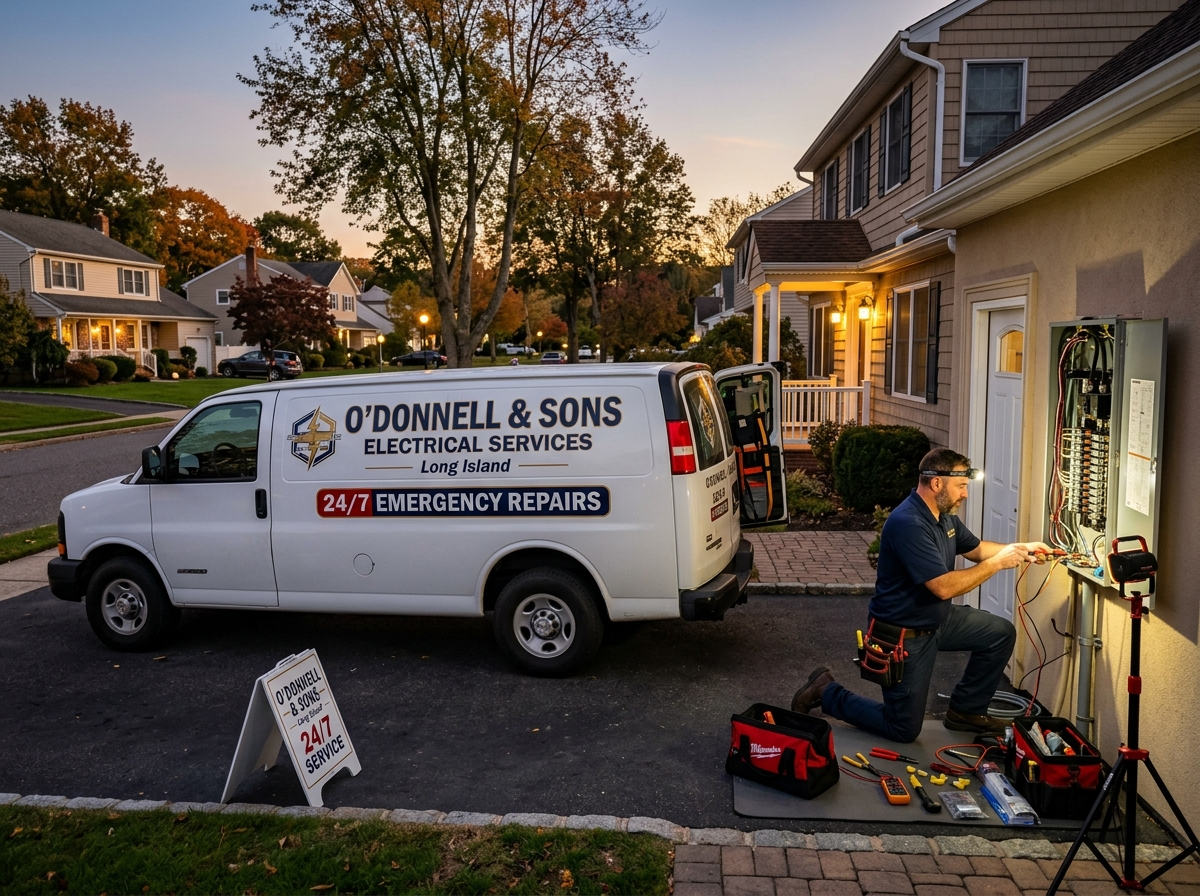
Whether you're facing frequent breaker trips or planning a major facility expansion, don't wait for a failure to happen. We offer 24/7 emergency service, but we’d much rather help you upgrade your system on your terms, before an emergency strikes.
Ready to future-proof your business? Contact Us or Schedule your commercial electrical service upgrade today to get a professional assessment of your facility’s needs.