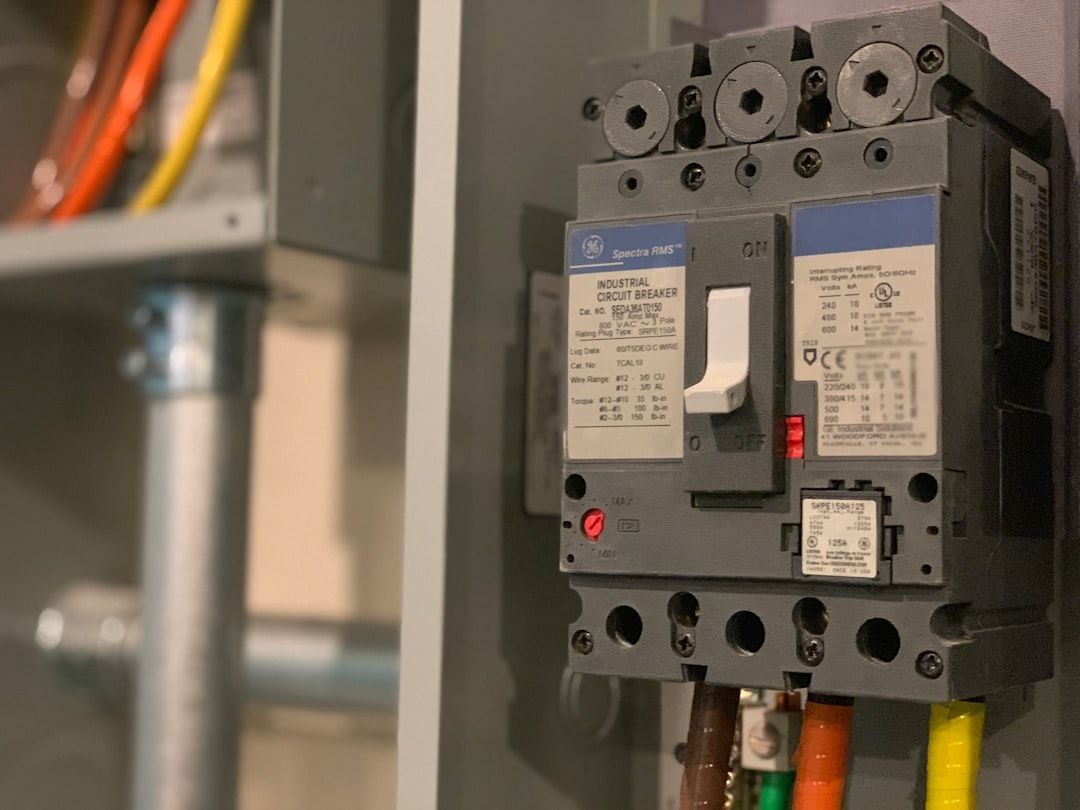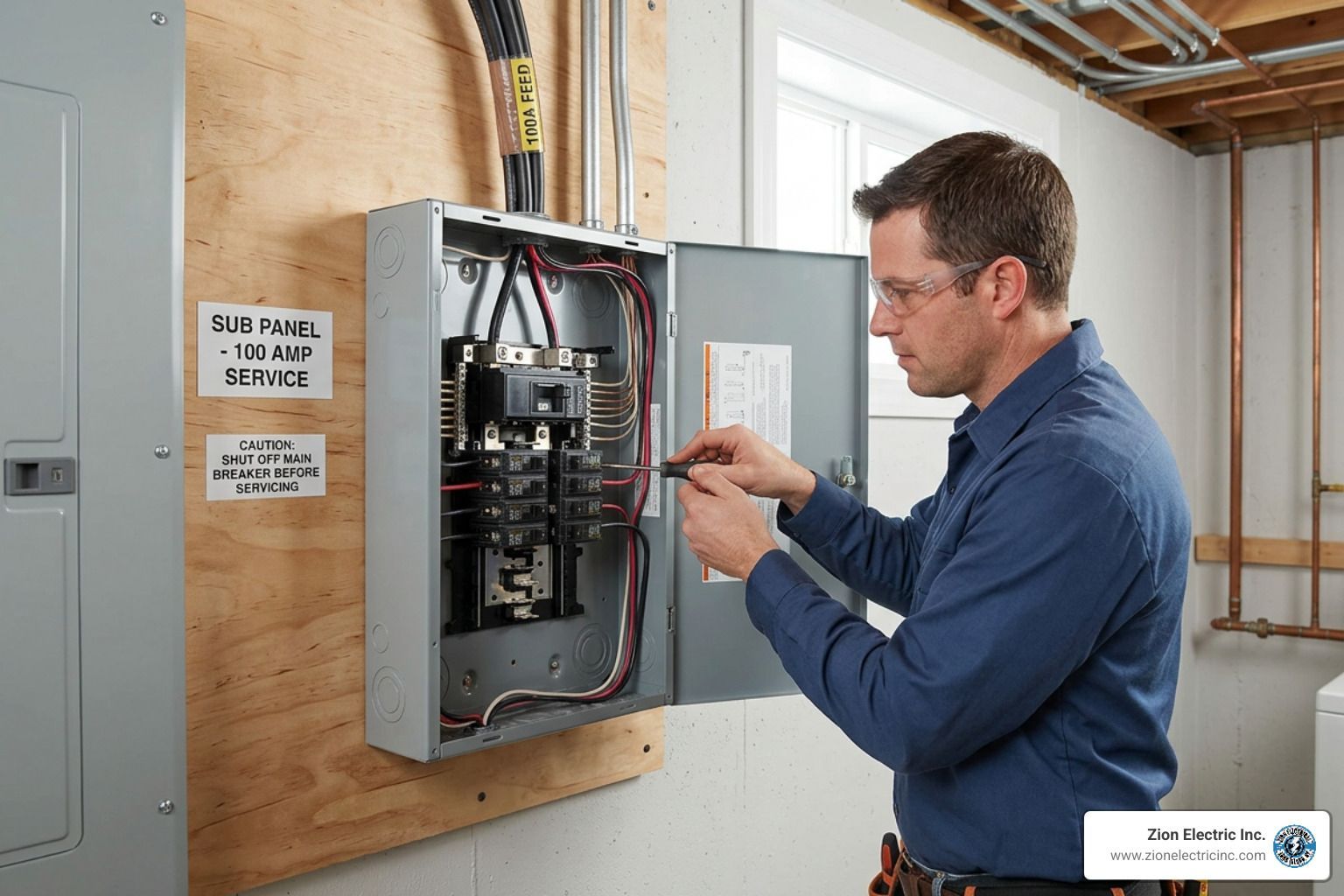
Understanding the Importance of Electrical Inspections
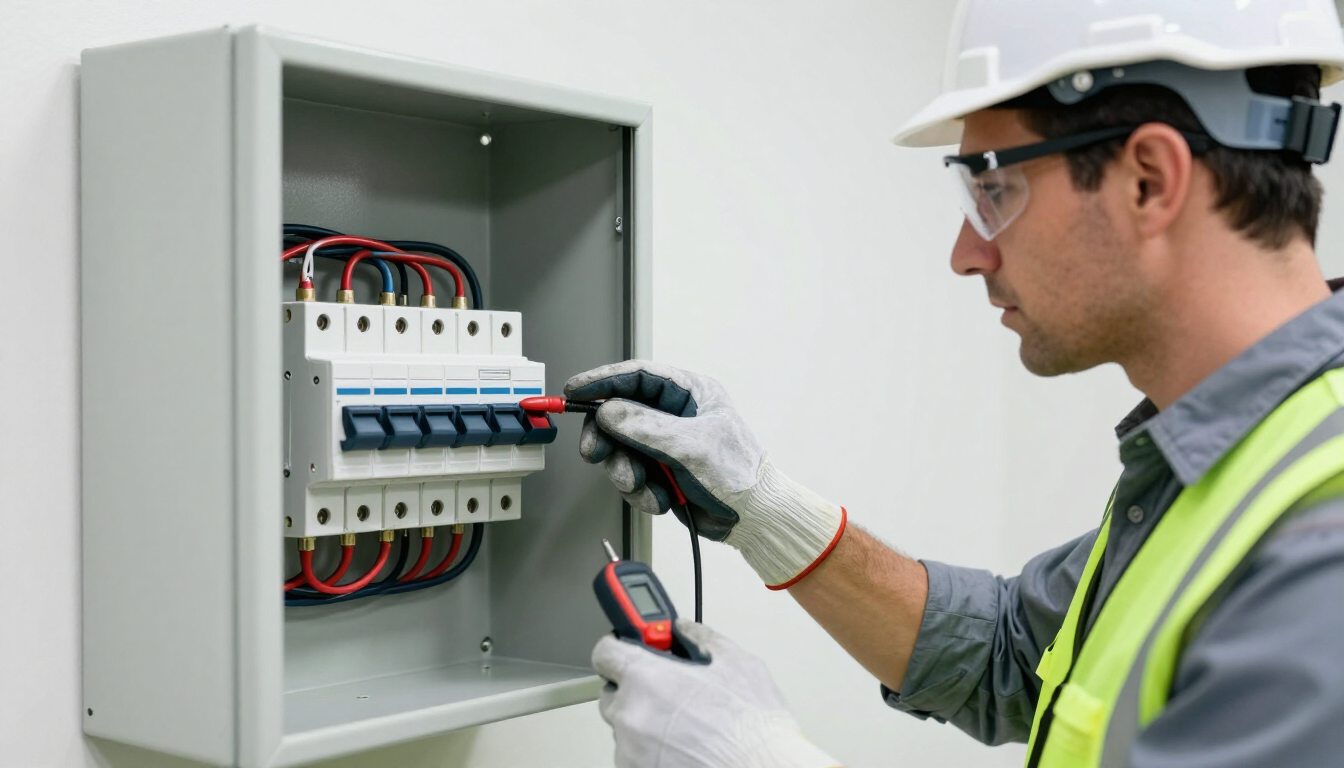
Electrical inspections are official safety checks performed by a qualified inspector or safety officer to confirm that electrical work meets current codes and standards.
Quick answer — what you need to know:
- What they are: A review of your electrical installation to verify it's safe and code-compliant
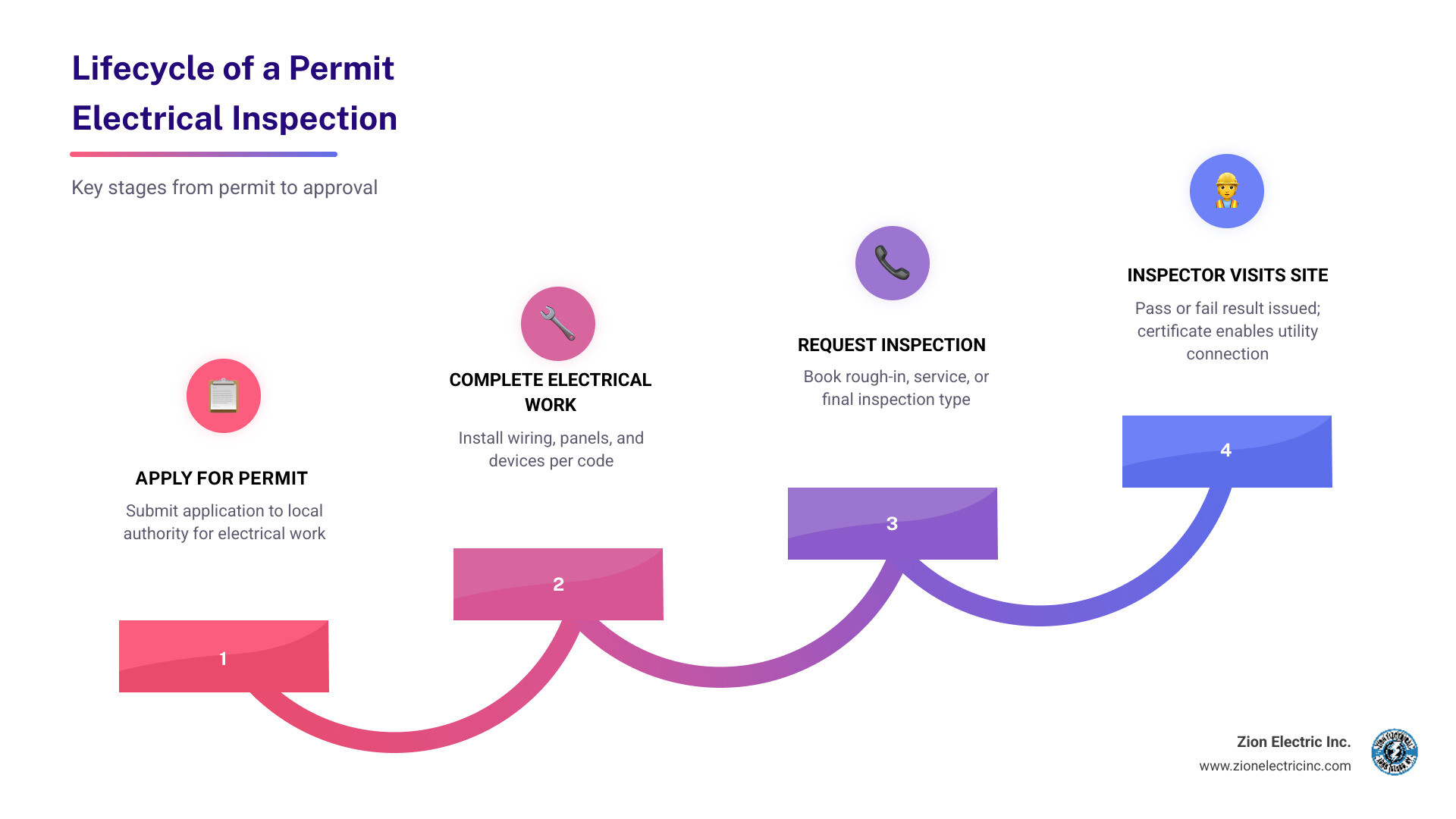
- When you need one: After pulling a permit for new wiring, renovations, service upgrades, or major appliance installs
- Common types: Rough-in, service/connection, underground, and final inspections
- Who arranges it: The permit holder — either the homeowner or licensed contractor
- What happens if you skip it: Work may need to be exposed and re-done, and you risk fines, failed home sales, or voided insurance
Whether you're building new, renovating, or upgrading your electrical panel on Long Island, inspections aren't just a bureaucratic hurdle. They're the checkpoint that keeps your home or business safe.
Electrical fires accounted for nearly 24,000 residential fires in 2016 alone, according to the U.S. Fire Administration. Many of those fires trace back to wiring issues that a proper inspection would have flagged.
Inspections also protect you legally. Without a passed inspection on record, selling your property, filing an insurance claim, or getting utility service connected can become a serious problem.
This guide walks you through everything — the types of inspections, how to book them, what to prepare, and how to avoid costly re-inspection fees.
At Zion Electric Inc., we’ve been navigating the local codes of Holtsville and the greater Long Island area for over 30 years. We know that the word "inspection" can make some homeowners nervous, but we’re here to show you that with the right preparation, it’s a smooth process that guarantees your family's safety. For more information on how we handle these projects, check out our General Electrical Services.
The Core Stages: Rough-in, Service, and Final Inspections
When you’re tackling a project, there isn't just one "big" inspection at the end. Because modern buildings are complex, inspectors need to see the work at various stages before it gets hidden behind drywall or buried under a concrete slab.
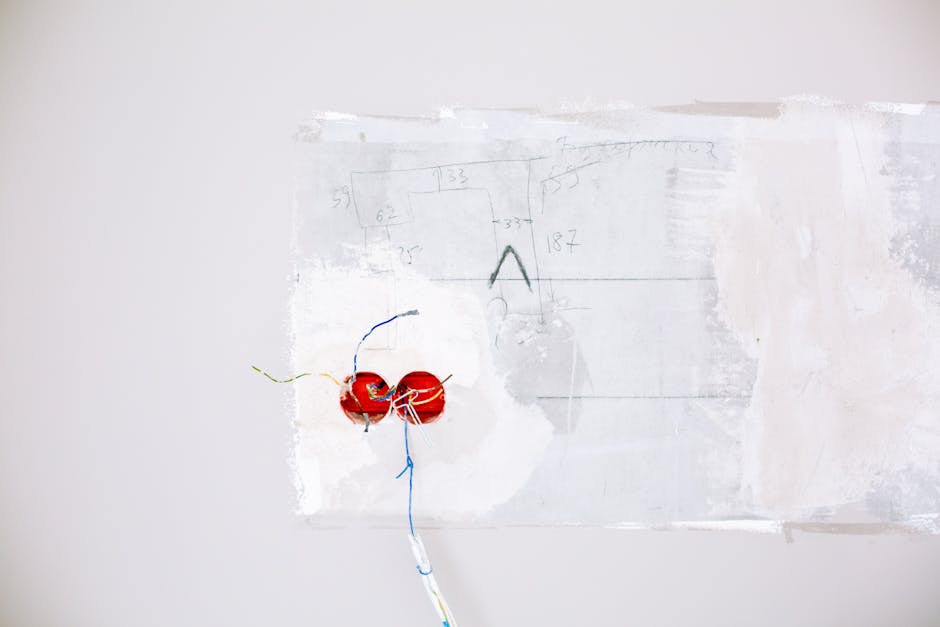
Most major projects require at least three distinct visits from an inspector. Understanding these stages helps you schedule your trades appropriately and keeps the project on timeline. To learn more about how we handle complex systems, visit our Specialty Services page.
Requirements for Rough-in Inspections
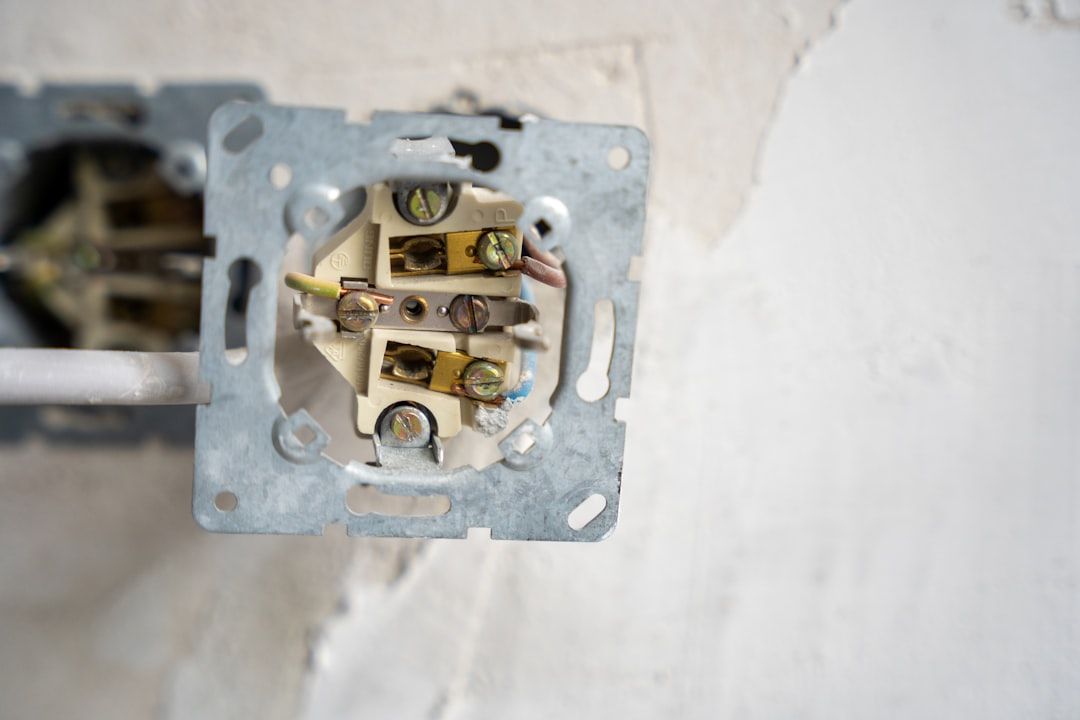
The rough-in is arguably the most critical step. This happens after all the cables have been pulled through the studs and the junction boxes are mounted, but before any insulation or drywall is installed.
According to Preparing for Your Inspection - ESA, the goal of a rough-in is to ensure the "skeleton" of your electrical system is sound. Here is what we make sure is ready:
- Exposed Wiring: All wiring, boxes, and raceways must be visible. If you cover them up before the inspector arrives, they have the legal right to make you tear down that brand-new drywall.
- No Devices Installed: Do not install outlets, switches, or light fixtures yet. The inspector needs to see the wire terminations inside the boxes.
- Box Installation: All boxes must be securely fastened to the framing.
- Grounding: All grounding connections within the boxes must be completed.
Finalizing the Process with a Final Inspection
The final inspection is the "finish line." This takes place once the project is 100% complete. This means the painters are gone, the carpets are in, and every single light switch is ready to be flipped.
During this stage, we ensure:
- Device Covers: Every outlet and switch must have its cover plate installed. Open boxes are a major safety hazard.
- Panel Directory: The electrical panel must be clearly and accurately labeled. "Plug 1" isn't helpful; "Kitchen North Wall Outlets" is what the inspector wants to see.
- Circuit Labeling: All circuits must be identified so that anyone—homeowner or emergency responder—can safely kill power to a specific area.
- Energizing Approval: In many jurisdictions, you cannot permanently energize a new system until you have written approval from the safety officer.
Regional Booking Procedures and Online Portals
If you are located on Long Island, particularly in areas like Holtsville, booking your electrical inspections involves coordinating with local municipal building departments or third-party inspection agencies recognized by utilities like PSEG Long Island.
Managing Inspections in Local Jurisdictions
While we often look at how large cities handle things, our focus is on the specific requirements of Long Island. For most residential and commercial work, you must apply for service and inspection prior to starting the project.
For those curious about how other regions manage this, many cities use tools like the Seattle Services Portal or the Surrey Citizen Portal to streamline the process. While we don't use those specific portals here in NY, the logic is the same: you need your permit number ready, a clear site address, and a contact person available on-site.
On Long Island, PSEG requires an electrical inspection certificate whenever:
- Service wiring is increased or extended.
- Service sizes change or significant load is added (like an EV charger or HVAC system).
- After major service construction or replacement work.
- For all fire reconnects.
If you’re working with us, we handle the heavy lifting of these Certified Installations, ensuring all paperwork is filed correctly with the appropriate local agency.
Preparation Checklist: How to Avoid Re-inspection Fees
Nothing stalls a project faster—or drains a budget quicker—than a failed inspection. Most municipalities charge a re-inspection fee if the inspector has to come back a second time because the work wasn't ready or was inaccessible.
| Requirement | Rough-in Inspection | Final Inspection |
|---|---|---|
| Wiring | Fully exposed, no insulation | All wires terminated and covered |
| Devices | No outlets/switches installed | All outlets, switches, and lights installed |
| Panel | Mounted, wires pulled, no breakers | Fully labeled, breakers installed, covers on |
| Safety | Nail plates installed on studs | GFCI/AFCI protection tested |
| Access | Stud bays open | Site clean and clear for walking |
Safety Measures Before Energizing Circuits
Safety is our number one priority. Before we even think about flipping the main breaker, we follow strict protocols to ensure the site is "electrically safe."
- Written Approval: We never energize a new service without the inspector's "green light."
- De-energized Panels: When we are adding to an existing panel, we de-energize it before removing covers to prevent accidental contact.
- Temporary Testing: Sometimes, we need to energize circuits briefly for testing. This requires prior approval from the safety officer to ensure no one on-site is at risk of shock.
- Safety Officers: We treat inspectors as partners in safety. If they identify a hazard, like an energized open conductor, it must be remediated immediately.
Avoiding Common Inspection Failures
Why do people fail electrical inspections? It’s usually the small things. Here is a list of common "gotchas" we see:
- Inaccessible Sites: If the inspector can’t get into the building or a locked room, it’s an automatic fail and a fee.
- Incomplete Work: If you called for a rough-in but haven't finished the grounding, you aren't ready.
- Code Violations: Using the wrong wire gauge for a circuit or failing to install nail plates to protect wires from future drywall screws.
- Missing Labels: An unlabeled panel is one of the most common reasons for a "conditional pass" or a flat-out fail.
Frequently Asked Questions about Electrical Inspections
Who is responsible for requesting electrical inspections?
In almost all cases, the permit holder is responsible for arranging the inspection.
- If you hired a contractor: We pull the permit and we schedule the inspections. It is our duty to ensure the work is ready before the inspector arrives.
- If you are a DIY homeowner: If you pulled a "Homeowner Permit," you are the one responsible for calling the agency and ensuring the work meets the National Electrical Code (NEC).
What causes an inspection to fail and how can you avoid fees?
Beyond the technical code violations, "procedural" failures are common. For example, in many regions, you must cancel an inspection by a specific time (often 2:00 PM or 3:00 PM the business day before) to avoid a charge.
Common failure triggers include:
- Energized Hazards: Finding a live, exposed wire is a major red flag.
- Covered Wiring: As mentioned, hiding wires before they are seen is a no-go.
- Missing Declaration Forms: Some jurisdictions require a signed "Contractor’s Declaration" before they will even step on-site.
How do I find and contact my assigned area inspector?
Most local building departments on Long Island have specific "morning hours" (usually between 8:00 AM and 9:00 AM) where you can speak directly with the inspectors. This is the best time to ask for advice on a complex installation or to get an ETA for their arrival. Your inspection slip or permit paperwork will usually have the name and contact info for the inspector assigned to your district.
Conclusion
Final Thoughts on Electrical Inspections
At the end of the day, electrical inspections are about peace of mind. They ensure that the hidden systems behind your walls won't cause a catastrophe years down the line. For us at Zion Electric Inc., these inspections are a badge of honor—proof that our 30 years of experience and commitment to top-tier workmanship are meeting the highest safety standards in Holtsville and across Long Island.
Whether you need a routine safety check or a full-scale industrial upgrade, we provide 24/7 emergency support and reliable, family-owned service you can trust. Don't leave your safety to chance.
Schedule Your Professional Assessment Today
Ready to ensure your home or business is up to code? Whether you're preparing for a sale or just want to sleep better knowing your wiring is safe, we're here to help.
Contact Us today to schedule a consultation or find more info about our general electrical services. Let’s make sure your next inspection is a breeze!