Understanding Residential Electrical Repair for Long Island Homeowners
Residential electrical repair is the process of diagnosing and fixing electrical problems in your home—from flickering lights and dead outlets to tripped breakers and faulty wiring. Most homeowners will face at least one of these issues, and knowing when to troubleshoot safely versus when to call a licensed electrician can save you time, money, and potential safety hazards.
Quick answer for common residential electrical repairs:
| Issue | DIY-Friendly? | When to Call a Pro |
|---|---|---|
| Tripped circuit breaker | Yes (reset only) | If it trips repeatedly |
| Dead outlet | Maybe | If outlet is hot, sparking, or damaged |
| Flickering lights | Check bulb first | If problem persists after bulb change |
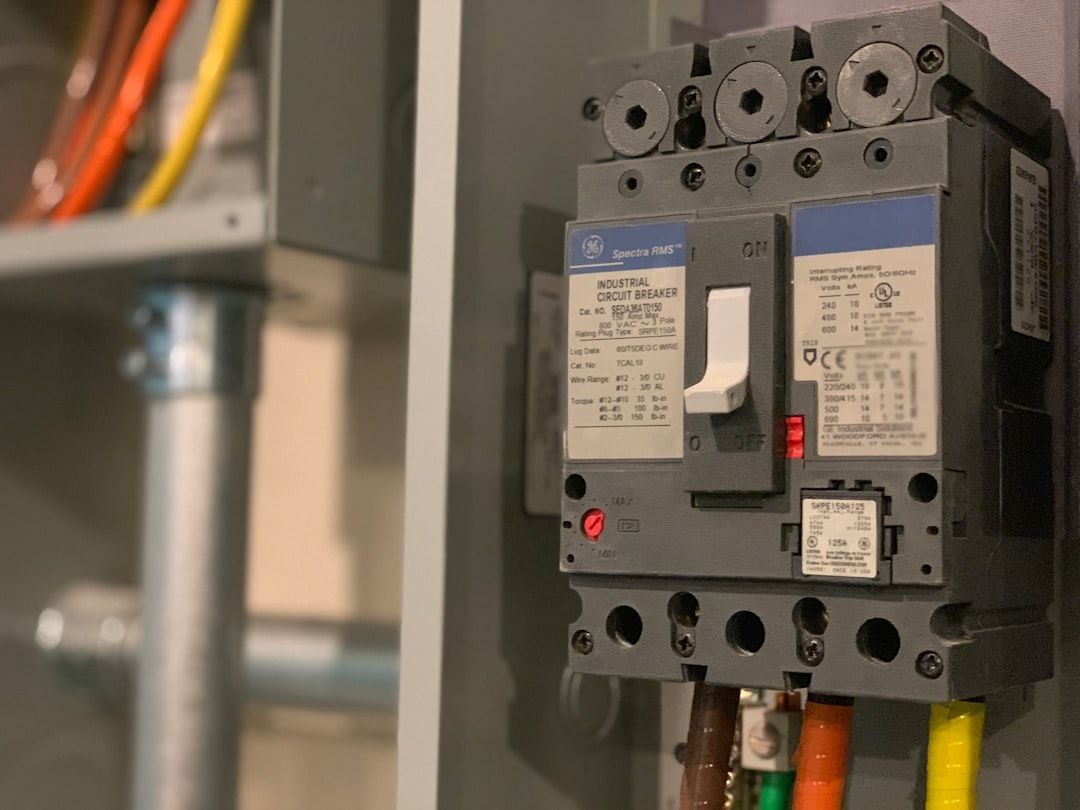
| Burning smell from panel | No—turn off power immediately | Always call a licensed electrician |
| Upgrading electrical panel | No | Always requires professional work |
The modern home depends on electricity more than ever. From essential appliances to smart home devices and EV chargers, your electrical system works hard every day. But when something goes wrong—whether it's a mysterious power outage, a buzzing sound from your service panel, or outlets that won't hold a plug—the problem rarely fixes itself.
Some electrical repairs are simple enough for a careful homeowner to handle. Others are dangerous and must be left to professionals. The key is knowing the difference.
According to industry research, the most common residential electrical repairs include:
- Upgrading outdated electrical panels
- Fixing dead or damaged outlets
- Repairing or replacing faulty light switches
- Addressing flickering lights caused by loose connections
- Troubleshooting overloaded circuits
- Replacing broken GFCI or AFCI outlets
- Fixing tripped breakers and blown fuses
The good news? Many electrical problems give you warning signs before they become serious safety hazards. Learning to recognize these signs—and taking the right safety precautions—can help you address issues quickly and avoid costly damage or dangerous situations like electrical fires.
Step 1: Recognizing Common Signs of Residential Electrical Repair Needs
The first step in any residential electrical repair is identifying that a problem exists. Your home's electrical system is a complex network, and like any machine, it gives off "distress signals" when something isn't right. Ignoring these signs can lead to more expensive repairs or, worse, a fire hazard.
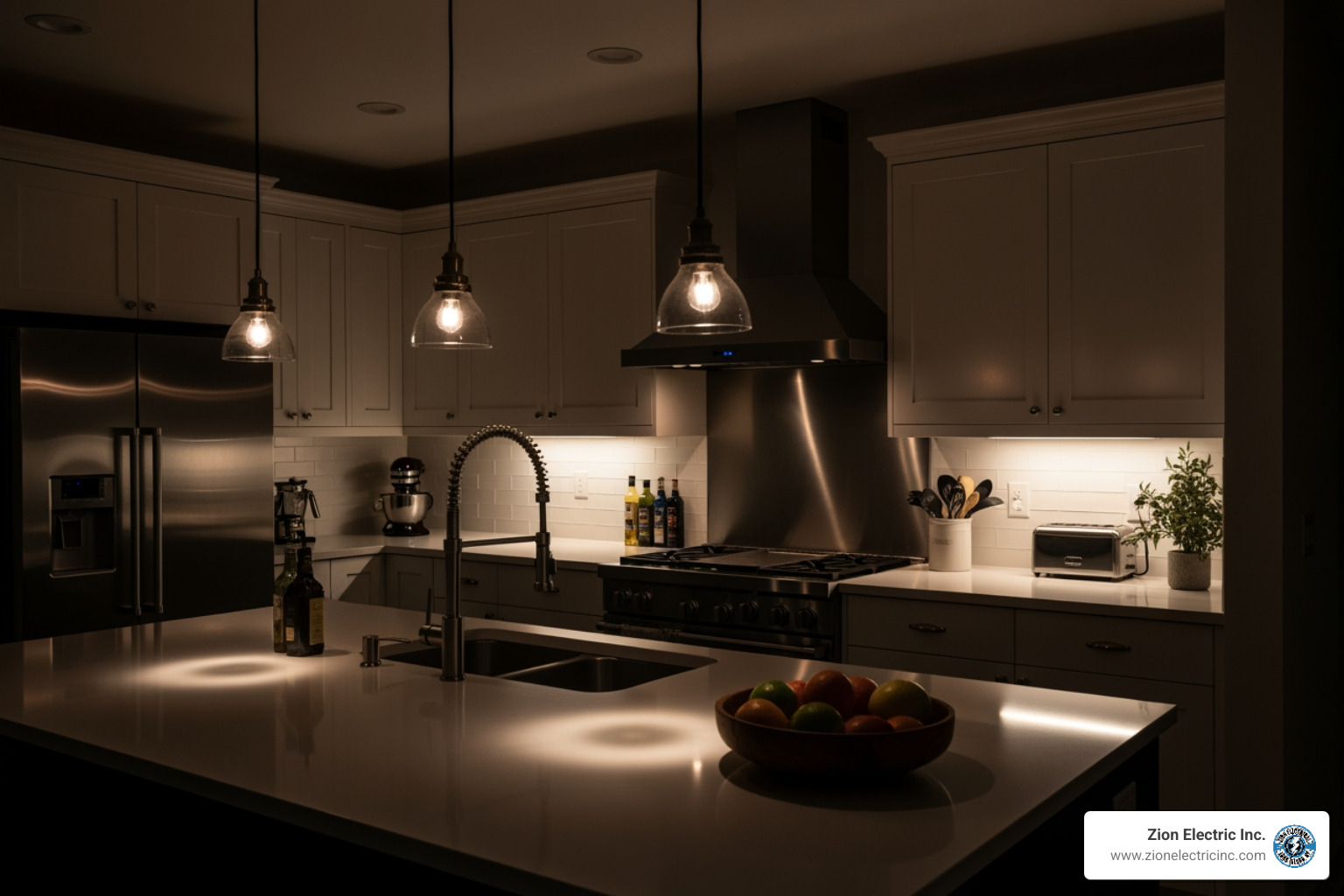
Flickering or Dimming Lights
If your lights flicker when you turn on the microwave or vacuum, it’s a sign of an overloaded circuit. However, if they flicker randomly, you might have a loose connection in the fixture or the service panel. Frequent bulb burnouts are another red flag; if you find yourself replacing the same bulb every few weeks, the fixture may be overheating or receiving inconsistent voltage.
Strange Sounds and Smells
Electricity should be silent and odorless. If you hear a buzzing, clicking, or sizzling sound coming from a switch or outlet, there is likely a loose wire or a failing internal component. Even more urgent is a burning smell. This often indicates that the plastic insulation on your wiring is melting due to excessive heat or arcing.
Physical Indicators
Warm or hot outlet covers are never a good sign. Outlets should remain at room temperature. If an outlet is warm to the touch, it indicates a high-resistance connection that could ignite. Additionally, if you see sparks when plugging in an appliance, it could mean the internal contacts are worn or the wiring is faulty.
For more detailed guidance on identifying these issues, you can check out this guide on How to Do Home Electrical Repairs. If you are experiencing any of these persistent issues in your Long Island home, our team at Zion Electric Inc. provides comprehensive General Electrical Services to diagnose and fix the root cause.
Step 2: Prioritizing Safety and Grounding Precautions
Before you even pick up a screwdriver, you must understand that safety is the most critical part of residential electrical repair. Electricity is unforgiving. At Zion Electric Inc., we’ve been serving Long Island and Holtsville for over 30 years, and we always emphasize that "safety first" isn't just a slogan—it's a survival tactic.
The Golden Rule: De-energize
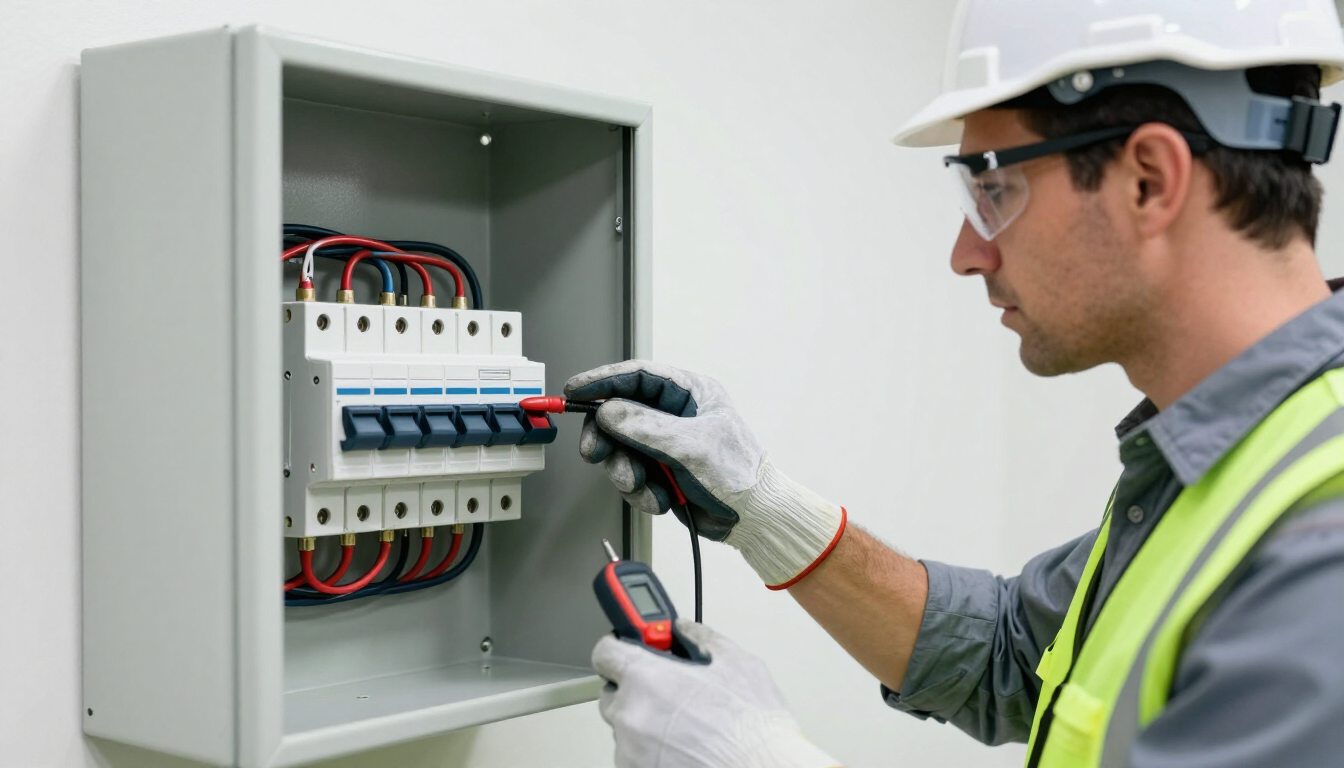
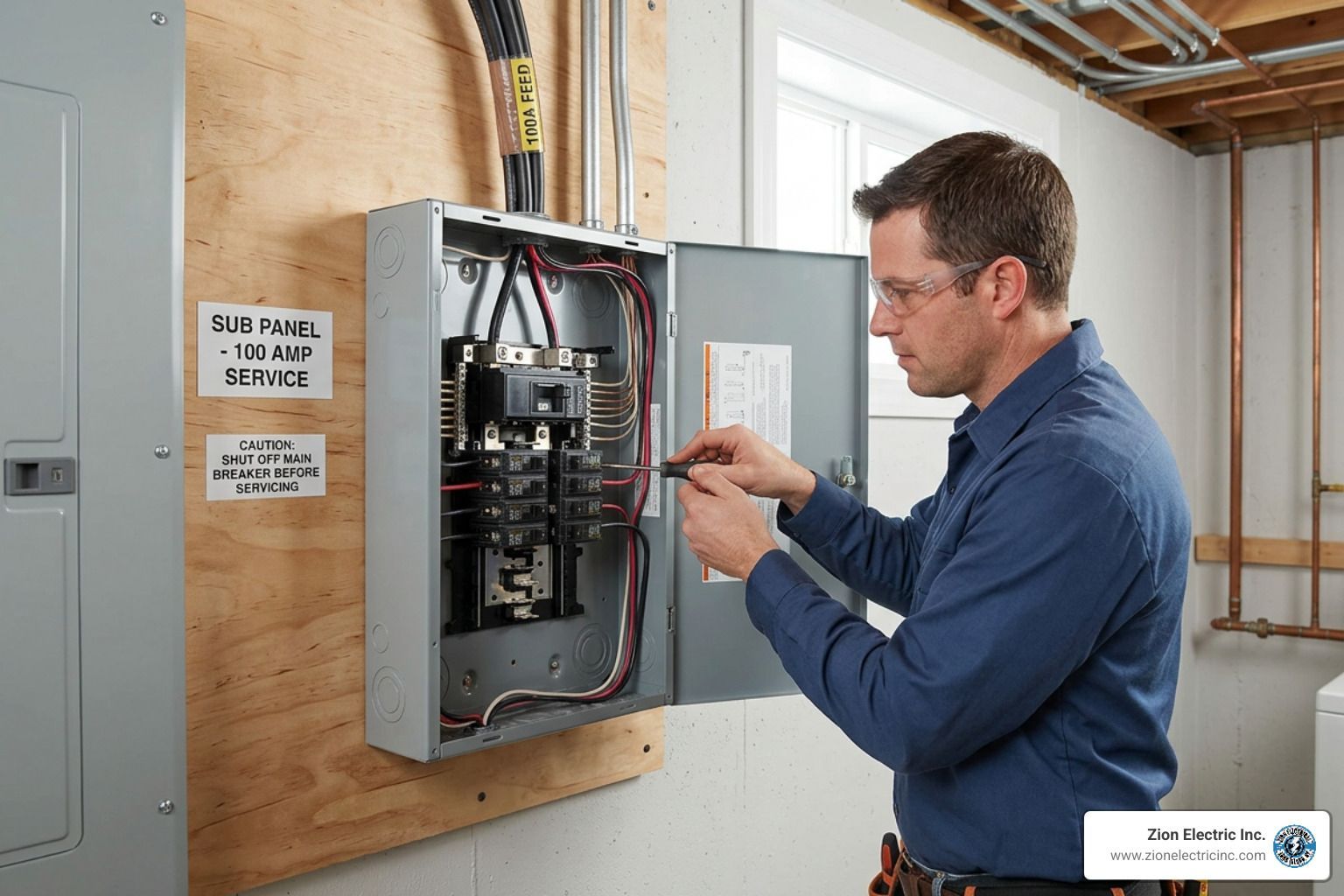
Never work on a "live" circuit. Always turn off the power at the main service panel. Don't just flip the wall switch; shut off the circuit breaker and use a non-contact voltage tester to verify the power is actually off.
Essential Safety Gear
- Voltage Testers: To confirm wires are dead.
- Insulated Pliers and Screwdrivers: These provide an extra layer of protection against accidental shock.
- Dry Workspace: Never work on electrical systems if you or the floor are wet. Stand on a dry piece of wood or a rubber mat if you are working near the service panel.
Understanding Grounding and Surge Protection
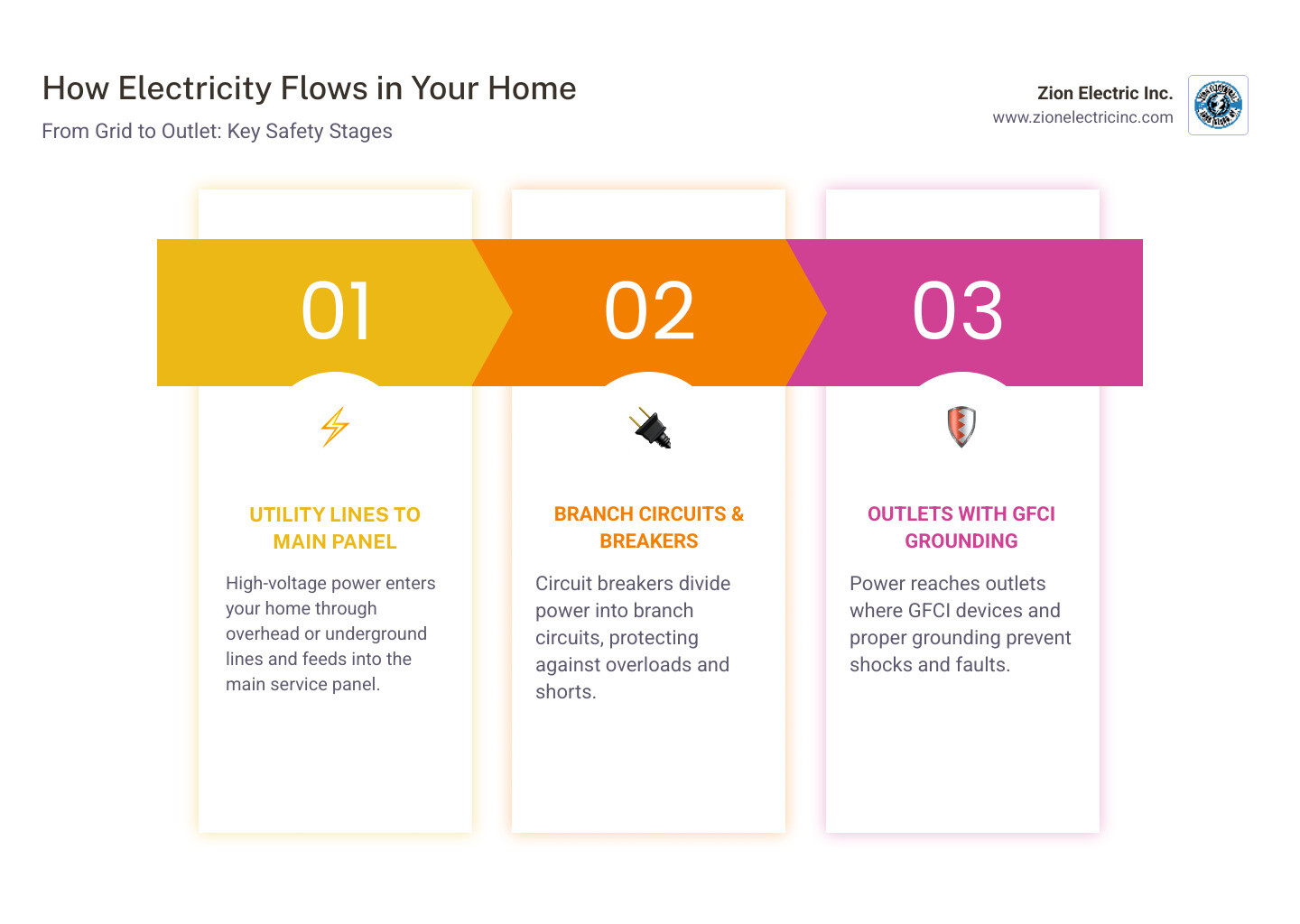
Electrical grounding provides a safe path for excess electricity to travel into the earth rather than through you or your appliances. Surge protection is equally vital for protecting your sensitive electronics from voltage spikes.
| Feature | GFCI (Ground Fault Circuit Interrupter) | AFCI (Arc Fault Circuit Interrupter) |
|---|---|---|
| Primary Goal | Prevents electrocution/shock | Prevents electrical fires |
| How it Works | Detects current leaks to ground | Detects dangerous electrical arcs |
| Required Locations | Bathrooms, kitchens, outdoors, garages | Bedrooms, living areas, hallways |
For More info about home safety, ensure your circuit directory is clearly labeled so you know exactly which breaker controls which room.
Troubleshooting Common Residential Electrical Repair Issues
When a circuit fails, start with the basics. Is it a tripped breaker or a blown fuse? If a breaker won't reset, do not force it. This is a safety mechanism telling you there is a short circuit or a ground fault. If you have dead outlets, check if a GFCI outlet upstream has tripped—simply pressing the "Reset" button often restores power to the entire line.
Step 3: Handling Basic Troubleshooting and Minor Fixes
Many "repairs" are actually just issues of capacity. Modern homes are often "technically challenged," meaning we try to run more gadgets than our 20-year-old wiring was designed for.
Overloaded Circuits
A common 15-amp circuit can handle about 1,440 watts of continuous load. If you plug a 1,200-watt toaster and a 1,000-watt coffee maker into the same circuit, the breaker will trip. This isn't a "broken" system; it's a system doing its job. To prevent this, distribute high-wattage appliances across different circuits. You can also look into Scientific research on energy efficient appliances to reduce your home's overall electrical demand.
Fixing Loose Connections
A "dead" outlet is often just a loose wire. Over time, the constant heating and cooling of wires can cause them to expand and contract, eventually loosening the terminal screws.
- Wire Nuts: Ensure all wire connections are tight and capped with the correct size wire nut.
- Pigtailing: If you have multiple wires connecting to one device, "pigtail" them together with a single lead wire going to the screw terminal. This is much more reliable than using the device as a bridge for the circuit.
If these basic steps don't solve the problem, it might be time for our General Electrical Services to perform a deeper diagnostic.
Step 4: Replacing Receptacles and Switches Safely
Replacing a worn-out outlet or a "mushy" feeling light switch is a standard residential electrical repair that many homeowners can perform. A worn receptacle is dangerous because it fails to maintain a tight grip on plug blades, leading to heat buildup.
The Replacement Process
- Shut off power and test for voltage.
- Remove the wall plate and unscrew the device from the box.
- Disconnect wires: If the wires are "pushed-in" to the back, use a small screwdriver to press the release tab. At Zion Electric Inc., we recommend using the side-screw terminals for a more secure, long-lasting connection.
- Connect the new device:
- White wire to the silver screw (Neutral).
- Black wire to the brass screw (Hot).
- Green or bare wire to the green screw (Ground).
- Gently fold wires back into the box and secure the device.
A Note on Aluminum Wiring
If your Long Island home was built in the late 60s or early 70s, you might have aluminum wiring. This requires special "CO/ALR" rated devices and specific connectors. Mixing standard copper-only devices with aluminum wire is a major fire risk. For more on handling these specific materials, see How to Do Home Electrical Repairs.
Step 5: Upgrading Your System and Knowing When to Call a Pro
Sometimes, a repair isn't enough—you need an upgrade. If your home still uses a fuse box or a 100-amp service panel, you are likely struggling to power modern life.
When an Upgrade is Necessary
If you are adding a home addition, remodeling your kitchen, or installing an EV charger, your current panel may not have the capacity. Upgrading to a 200-amp service ensures a consistent power supply and room for future growth. Signs you need an upgrade include:
- Flickering lights even after repairs.
- Breakers that trip frequently.
- The need for more outlets in a room.
- Visible corrosion or "arcing" marks on the bus bar inside the panel.
If you’re planning a major project, Contact Us for a professional consultation.
When to Hire a Pro for Residential Electrical Repair
While DIY is great for changing a light fixture, certain situations require a licensed professional. In Holtsville and throughout Long Island, local codes and permit requirements are strict for a reason. You should always call an electrician for:
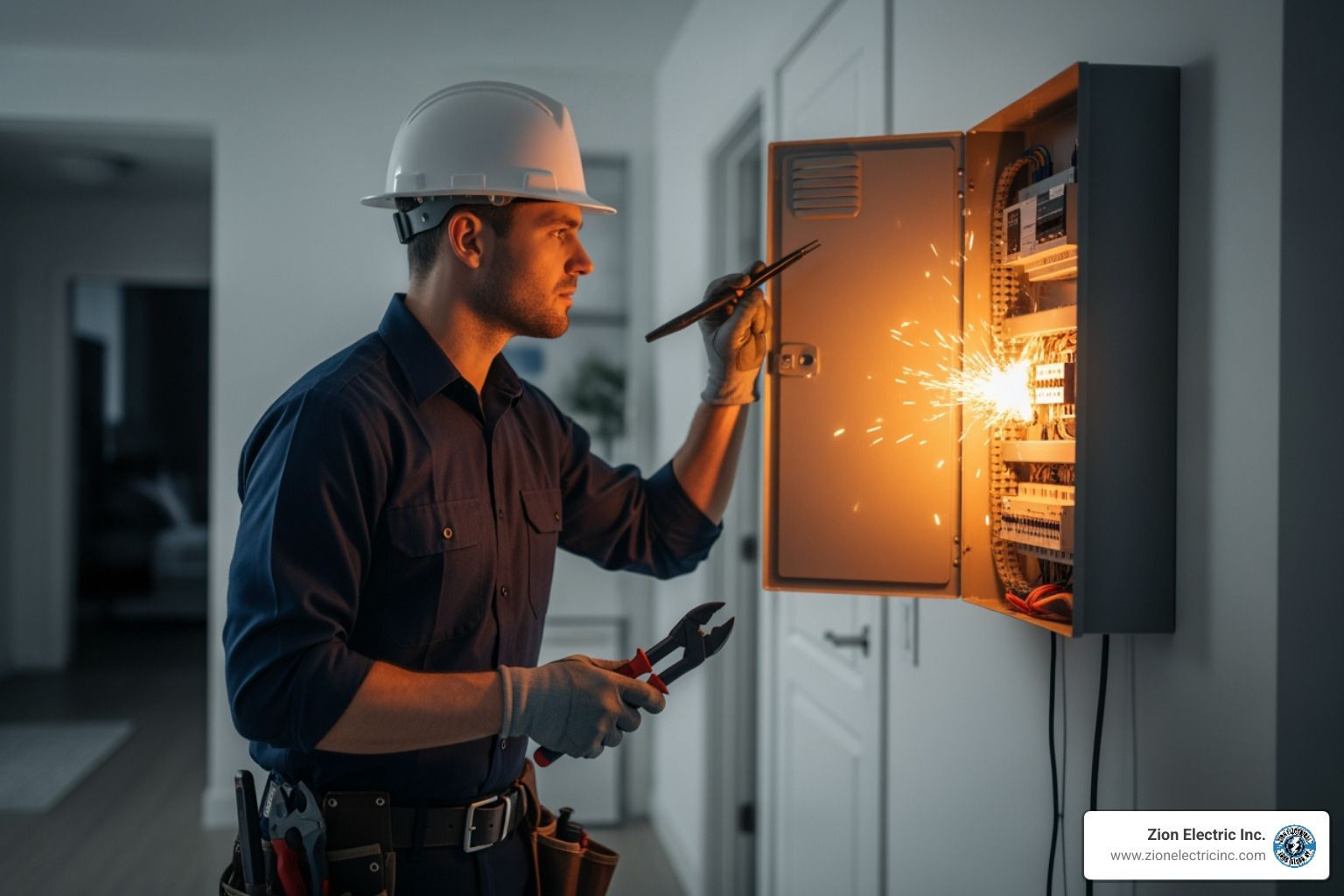
- Service Panel Work: The "main" wires coming into your house are always live, even if the main breaker is off.
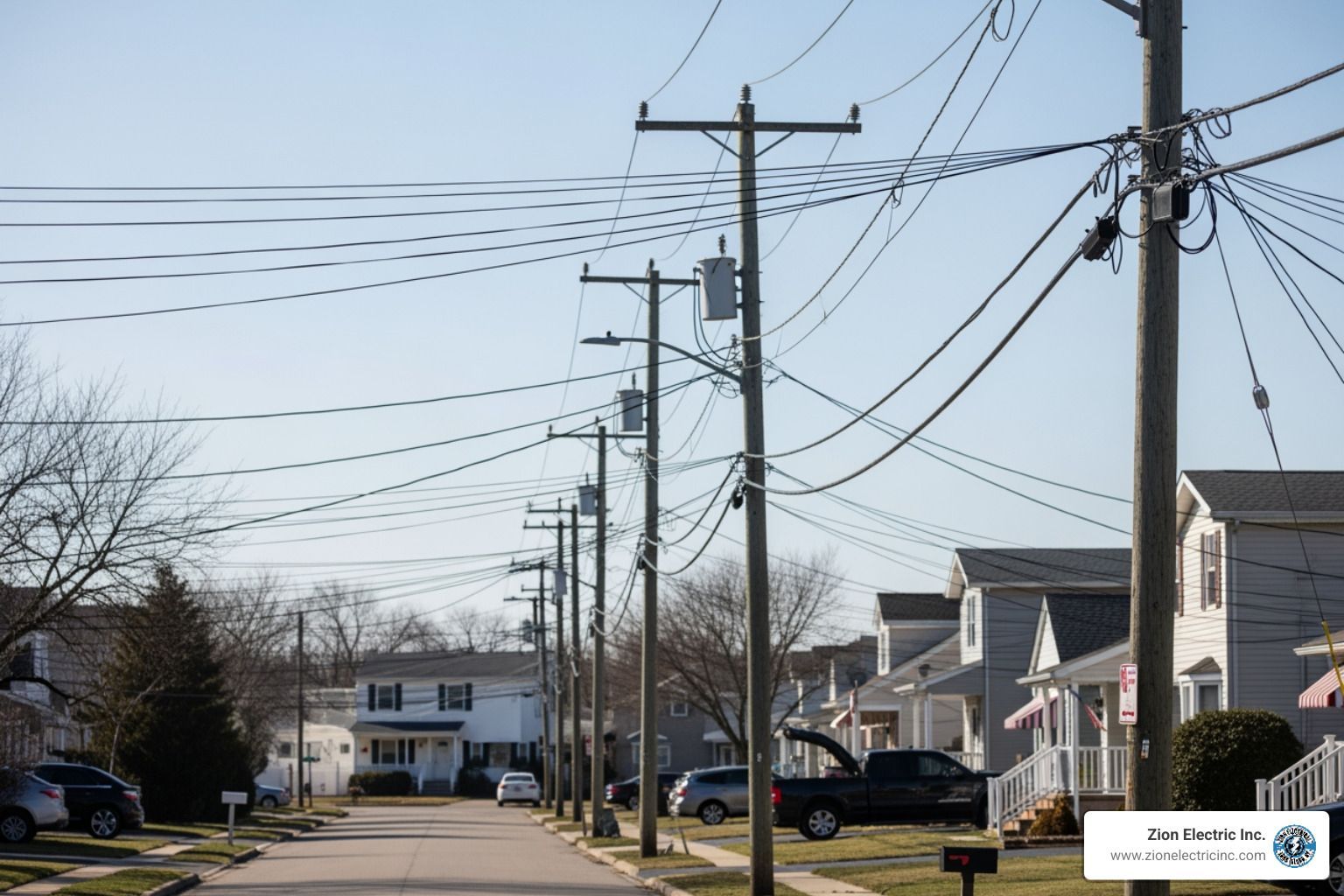
- Emergency Outages: If your neighbors have power but you don't, and your main breaker hasn't tripped.
- Smell of Smoke: If you can't find the source, it could be inside your walls.
- Bus Bar Arcing: If the metal bar that holds your breakers is damaged, the entire panel usually needs replacement.
The Cost of Professional Residential Electrical Repair
Homeowners often worry about the cost, but professional repair is an investment in safety and property value.
- Long-term Savings: Correcting a "DIY fail" usually costs twice as much as doing it right the first time.
- Preventative Maintenance: A standard electrical inspection can catch loose connections before they cause a fire.
- Material Costs: Professionals have access to high-quality, industrial-grade components that last longer than "big box" store alternatives.
Frequently Asked Questions about Home Electrical Issues
Why does my circuit breaker keep tripping?
A tripping breaker is usually caused by one of three things: an overload(too many things plugged in), a short circuit(a hot wire touching a neutral wire), or a ground fault(a hot wire touching a grounded part of the system). If it trips immediately after resetting, you likely have a short circuit that needs professional attention.
What is the difference between GFCI and AFCI outlets?
Think of GFCI as "people protection" and AFCI as "house protection." GFCIs stop you from getting a lethal shock in wet areas like kitchens. AFCIs detect the "sparking" (arcing) that happens behind walls, which is a leading cause of electrical fires.
How do I handle a total power outage?
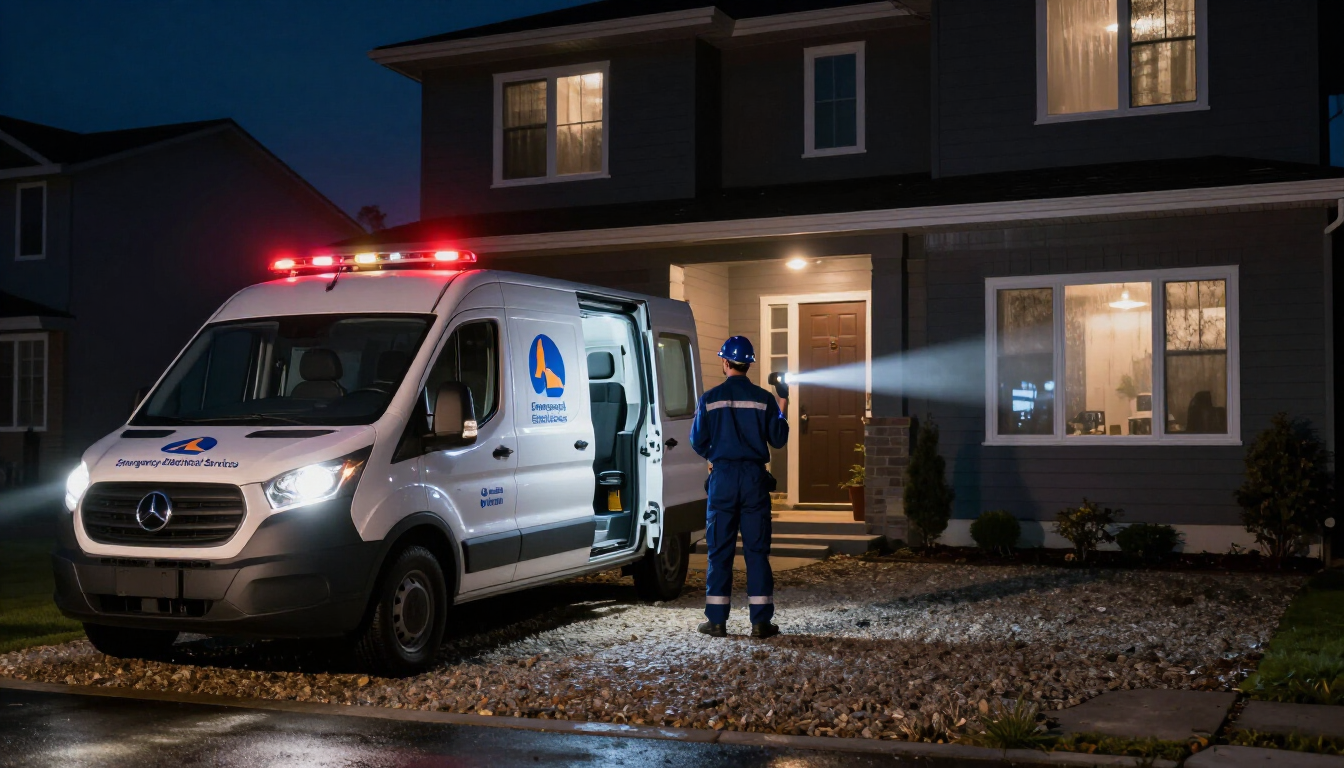
First, check if your neighbors' lights are out. If they are, it's a utility issue. If only your house is dark, check your main breaker. If it has tripped, turn off all major appliances before resetting it to avoid a massive power surge. If it trips again, call for Zion Electric's 24/7 emergency repair services immediately.
Conclusion
Residential electrical repair doesn't have to be a source of stress for Long Island homeowners. By recognizing the early warning signs, prioritizing safety, and knowing your limits, you can keep your home’s electrical system running smoothly. Whether it’s a simple outlet replacement or a complex panel upgrade, our family-owned team at Zion Electric Inc. is here to help.
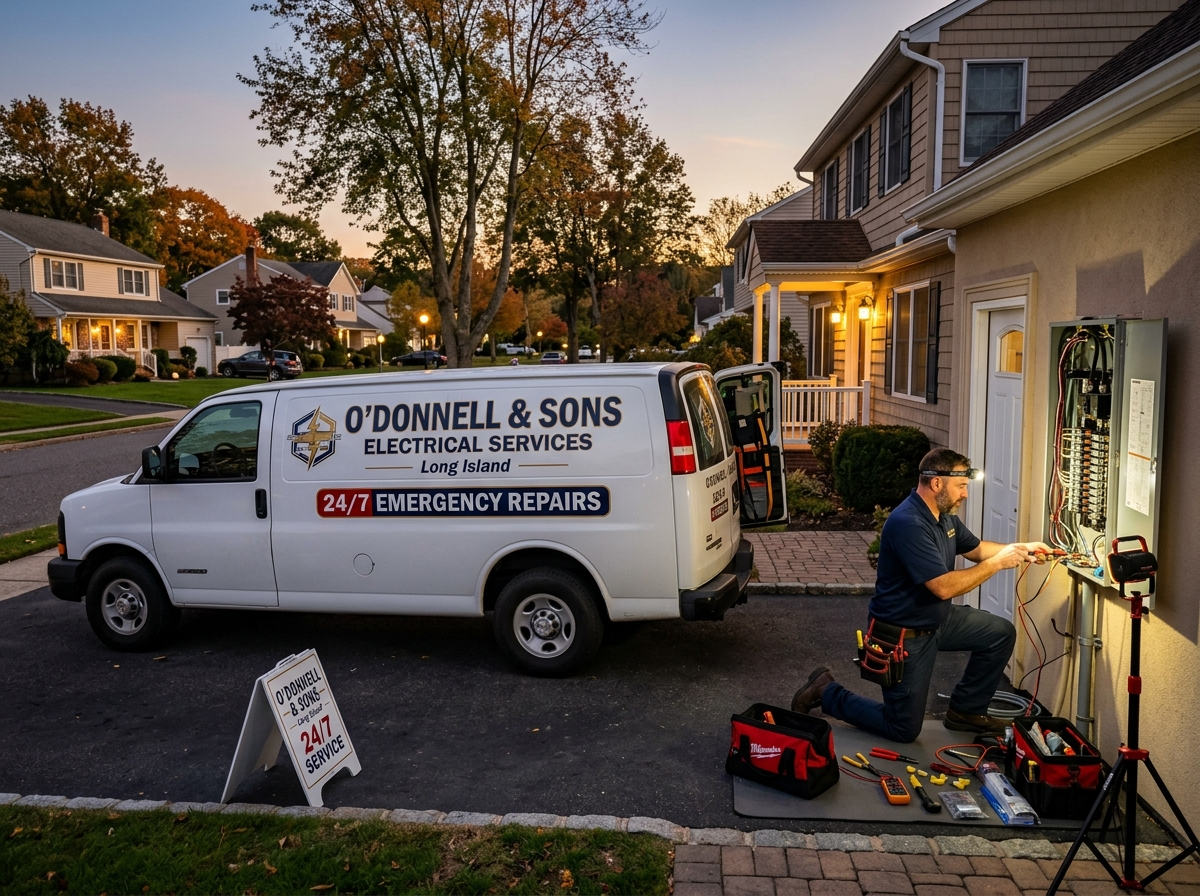
With over 30 years of experience serving Long Island and Holtsville, NY, we pride ourselves on quick response times and top-tier workmanship. If you're facing an electrical mystery or just want the peace of mind that comes with a professional inspection, reach out to us for our General Electrical Services. We are available 24/7 because we know that electrical emergencies don't wait for business hours!