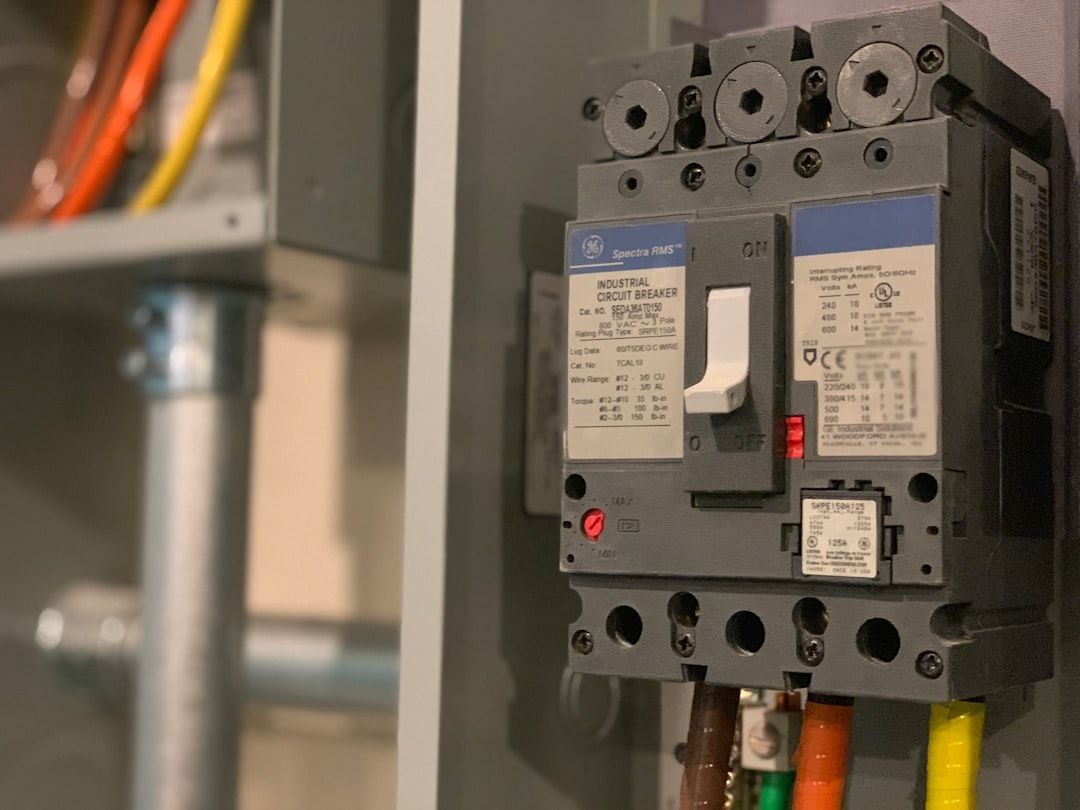
Powering Your Backyard Paradise Safely
Pool electrical installation is the specialized wiring system required to safely power your pool's pumps, heaters, lights, and control panels. Professional installation typically costs $3,500-$4,500 for inground pools and $350-$4,000 for above-ground pools, depending on equipment location, electrical panel capacity, and additional features.
Key Components of Pool Electrical Installation:
- GFCI Protection- Required on all pool circuits to prevent shock
- Equipotential Bonding- Connects all metal components with #8 copper wire
- Dedicated Circuits- Separate power lines for pumps, heaters, and lights
- Underground Conduit- Buried 12-18 inches deep for wire protection
- Weatherproof Enclosures- All junction boxes and panels rated for wet locations
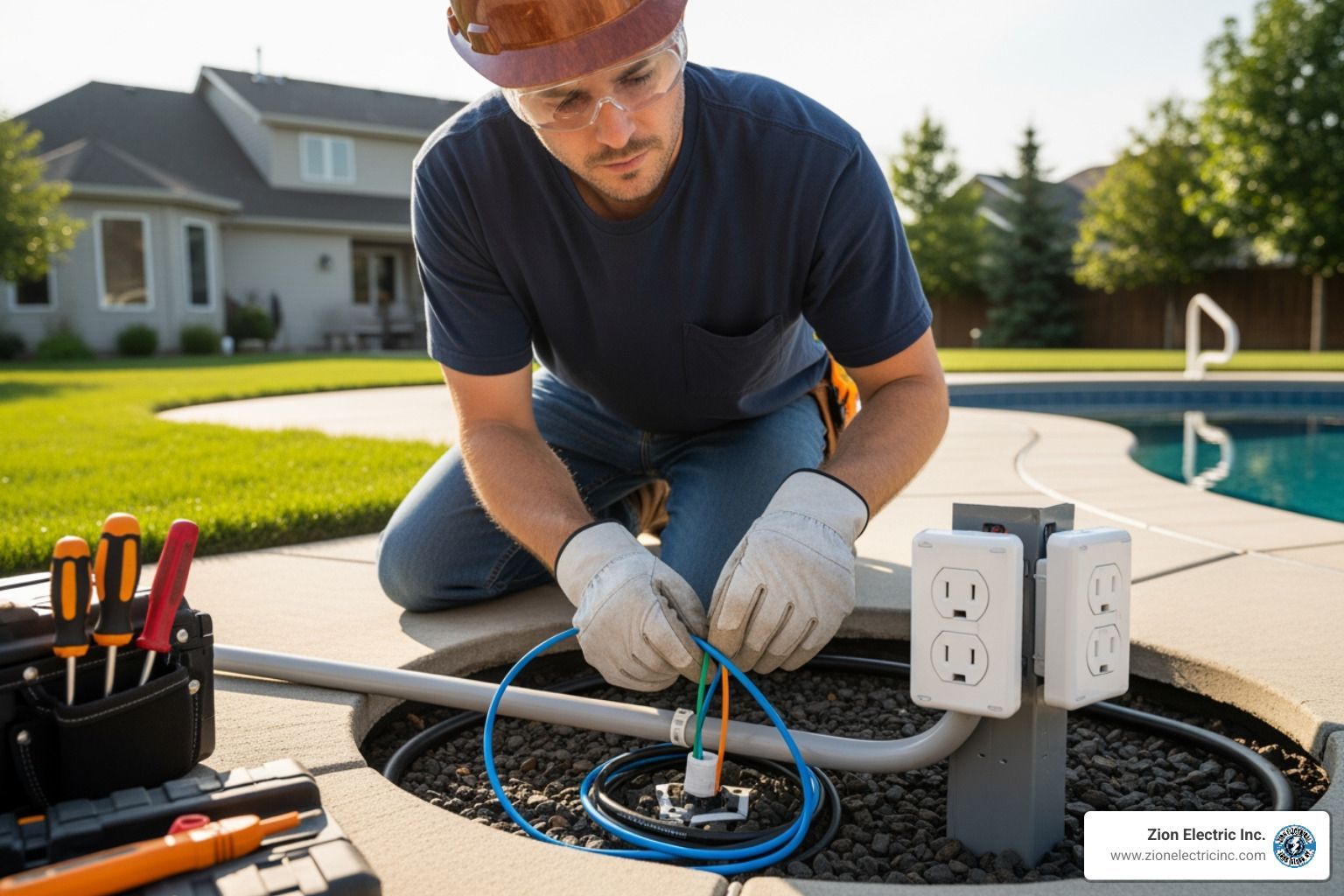
- Code-Compliant Distances- Receptacles 6-20 feet from water, equipment 5+ feet away
The dream of a backyard pool comes with an essential reality: water and electricity are a dangerous combination. Every year, electrical accidents around pools result in serious injuries and fatalities that could have been prevented with proper installation.
This isn't work for weekend warriors or unlicensed handymen. The National Electrical Code dedicates an entire article—Article 680—specifically to pool electrical requirements. These rules exist because the stakes are literally life and death.
Professional pool electrical work ensures three critical outcomes: safety for your family and guests, compliance with local building codes, and reliable functionality of your pool equipment. A licensed electrician understands the complex requirements for grounding, bonding, circuit protection, and proper equipment placement that keep everyone safe.
This guide covers everything Long Island property owners need to know about pool electrical installation—from understanding costs and code requirements to avoiding common mistakes and maintaining your system for years of worry-free enjoyment.
Decoding the Costs of Pool Electrical Installation
Understanding the costs associated with pool electrical installation is crucial for budgeting your backyard oasis. For a full pool electrical installation on Long Island, expect a range from $2,000 to $10,000+, depending on complexity.
Inground pools typically cost $3,500 to $4,500 for standard electrical hook-up, including wiring for basic components like the pump, light, and GFCI receptacle, along with bonding and permits.
Above-ground pools generally have lower costs, averaging around $1,000, though the range can be $350 to $4,000 based on various factors.
These costs cover electrical work only. Your total pool project includes other expenses like excavation, plumbing, and the pool structure. When considering electrical work for your home, our General Electrical Services provide clear, upfront pricing and expert solutions.
Labor costs for electricians typically run $50 to $100 per hour, with projects taking 8 to 20 hours.
Key Factors That Influence Your Final Price
Several variables significantly impact your pool electrical installation cost:
-
Equipment Location: Distance from your main electrical panel is a major cost driver. Longer runs require more trenching and conduit, adding $500 to $1,500. Trenching costs about $8 per linear foot, running wire and conduit adds $12 to $17 per linear foot, and backfilling costs $1.60 to $4.50 per linear foot.
-
House Foundation Type: Basement or slab foundations can add $500 to $1,000 compared to crawlspaces, as electricians must trench around the perimeter.
-
Electrical Panel Capacity: If your panel lacks space or capacity, you'll need an upgrade.
-
Number of Powered Features: Each additional feature requires dedicated wiring and circuit protection.
The Cost of Your Pool Electrical Installation for Additional Equipment
Beyond basic pump and filter, additional features increase electrical complexity and cost:
- Salt Chlorine Generator: Adds approximately $150
- Heat Pump: Adds $700 to $1,000 for 240V circuit
- Fuel Burning Heater: Adds $300 to $500 for control systems
- Hot Tub: Adds $500 to $1,000 due to high power demands
- Automatic Cover: Adds $500 to $750 for motor wiring
Electrical Panel Upgrades: Sub-Panels and Service Upgrades
Insufficient main electrical panels are a common source of unexpected costs:
-
Sub-panel Installation: Provides additional breaker space for $250 to $500 when your service amperage is sufficient but you need more physical space.
-
Full Service Upgrade: Required when your home's electrical service is inadequate (like older 100-amp service). Costs $750 to $1,500 and takes 3 to 6 weeks due to utility coordination.
Assessing current panel capacity early is critical for planning and avoiding surprises.
Safety First: NEC Code and Critical Protections
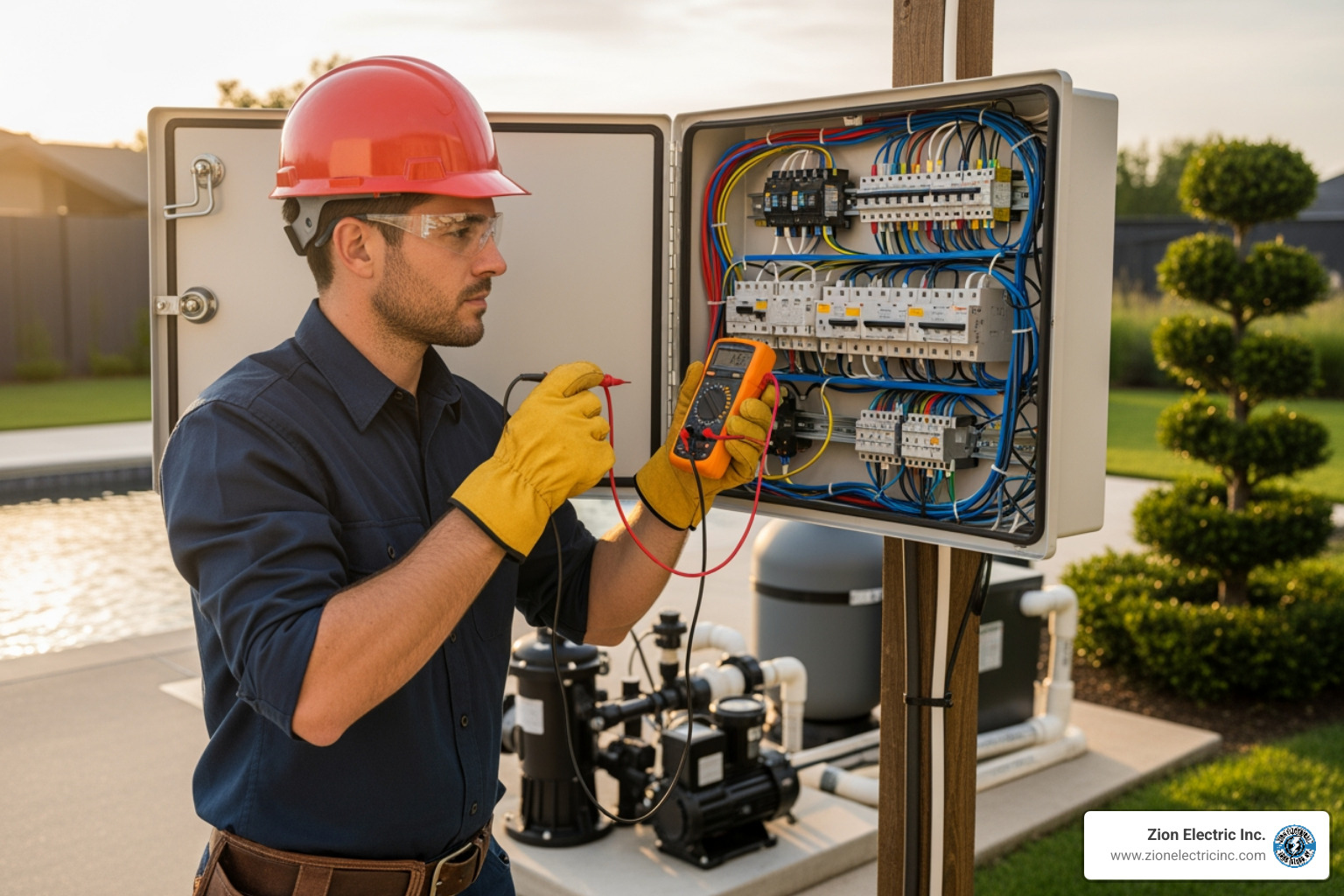
When it comes to pool electrical installation, safety is paramount. All electrical work must strictly adhere to the National Electrical Code (NEC), specifically Article 680, which outlines requirements to prevent electrical shock and electrocution hazards.
Ignoring these codes can have catastrophic consequences. This is why hiring licensed electricians for all pool electrical installation projects on Long Island is essential. Our team at Zion Electric Inc. provides Certified Installations, ensuring every connection meets safety and compliance standards.
What is GFCI Protection and Why is it Essential?
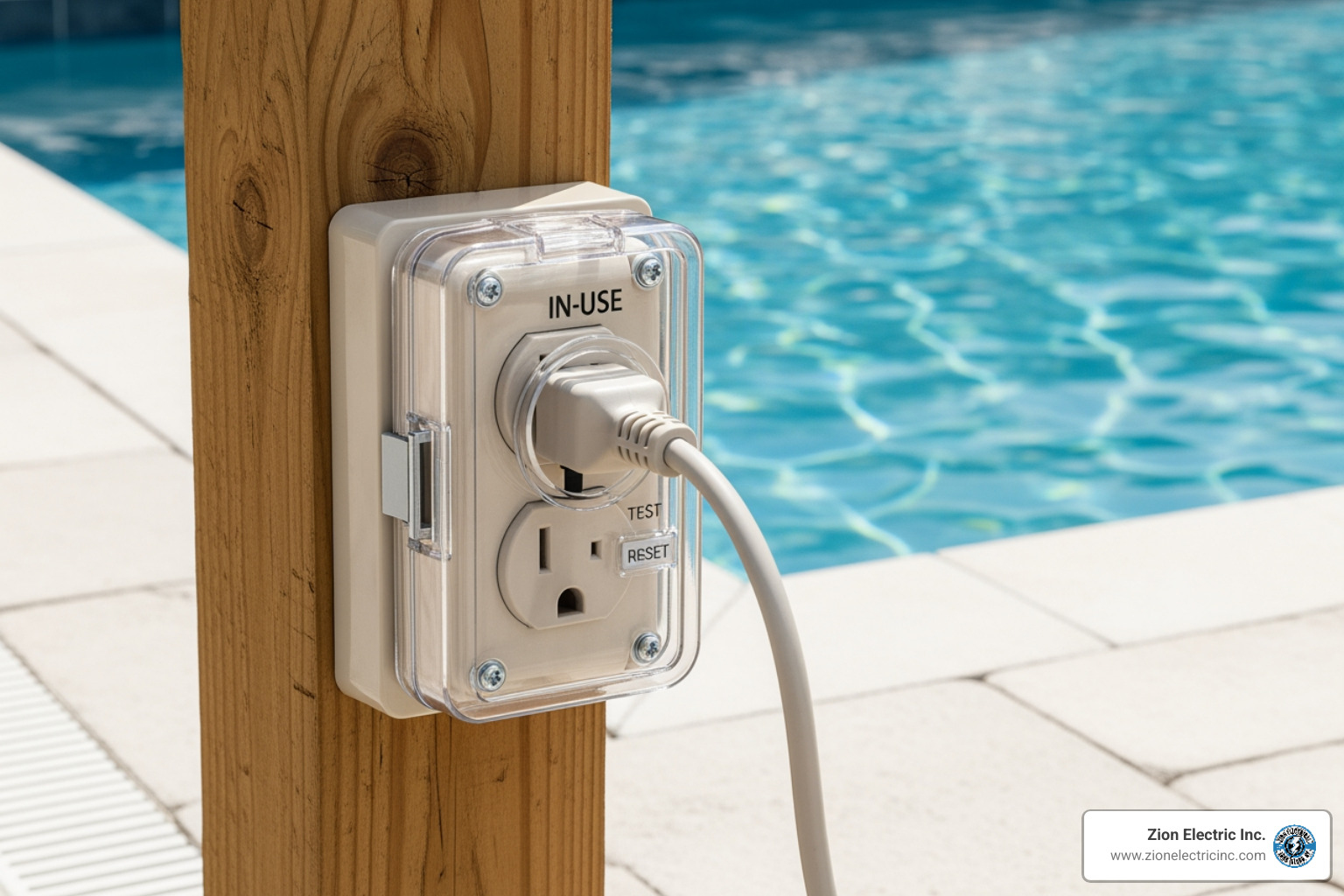
A Ground-Fault Circuit Interrupter (GFCI) monitors electrical current and trips instantly if it detects current leaking from the circuit, potentially through a person. This rapid response prevents electrocution.
The NEC requires GFCI protection for:
- Receptacles: 15A or 20A, 125V receptacles within 20 feet of pool walls
- Pool Pump Motors: All single-phase, 120V through 240V branch circuits
- Underwater Lights: Branch circuits for lights operating above 15V
- Electrically Operated Covers: Branch circuits for automatic pool covers
- Storable Pools, Spas, and Hot Tubs: All receptacles within 20 feet
Understanding Equipotential Bonding for Pools
Equipotential bonding equalizes the electrical potential of all conductive materials around the pool. If an electrical fault occurs, all bonded metal parts rise to the same voltage simultaneously, preventing dangerous voltage differences.
The NEC requires bonding for all conductive surfaces within 5 feet of the pool:
- Metal pool structure components (reinforcing steel, rebar)
- Metal ladders, handrails, diving board stands
- Metal equipment components (pumps, heaters, filters)
- Perimeter surfaces around the pool
Bonding uses #8 AWG solid copper wire connecting these components. For non-conductive shells, bonding wire is buried 4 to 6 inches below grade and 18 to 24 inches from the pool wall. Even pool water must be bonded through 9 square inches of corrosion-resistant metal contact.
For detailed requirements, see this Detailed explanation of NEC Article 680.
Specific NEC Requirements for Pool Wiring
Beyond GFCI and bonding, the NEC specifies:
-
Setback Distances:
- Pump motor receptacles: 6 to 10 feet from pool wall
- Convenience receptacles: 6 to 20 feet from pool wall
- Equipment: At least 5 feet from pool
- Lighting: 12 feet above water level
- Underwater lights: 18 inches below water level
-
Conduit Burial Depth:
- Electrical PVC: 18 inches(12 inches if GFCI protected)
- Rigid Metal: 6 inches
- UF cable: 24 inches(12 inches if GFCI protected)
-
Wire Requirements: Minimum #12 AWG insulated copper for pump motors; #8 AWG solid copper for bonding
-
Weatherproof Enclosures: All outdoor components must be wet-location rated with extra-duty covers
The Professional Pool Electrical Installation Process
Starting on a pool electrical installation project in Long Island requires careful planning and skilled execution. The process typically involves several key stages handled by qualified professionals.
First, the process begins with hiring a qualified electrician. Due to the unique hazards of water and electricity, only licensed, bonded, and insured electricians with specific experience in pool wiring should undertake this work. Our team at Zion Electric Inc. has the expertise to help ensure your installation is safe and compliant.
Next comes planning and layout. This involves assessing your existing electrical service, determining the optimal location for your pool equipment (pumps, filters, heaters, lighting, and controls) relative to your main electrical panel, and designing the dedicated circuits needed. Distances, power requirements, and future expansion possibilities are all considered.
Trenching and conduit runs are a significant part of the physical installation. Electrical lines are buried underground in approved conduit, adhering to depth requirements to protect the wiring from damage and environmental factors. This often requires coordination with other contractors involved in the pool's construction.
Once the conduit is in place, the wiring of the equipment pad begins. This involves connecting all pool equipment to their dedicated circuits, installing GFCI breakers in your panel (or a sub-panel), and ensuring all connections are secure and weatherproof.
Finally, final connections and testing are performed. Every circuit is tested for proper voltage, continuity, and GFCI functionality. This helps ensure that your pool's electrical system is fully operational and meets applicable safety standards before you use the pool.
Permits, Inspections, and Legal Compliance
For any pool electrical installation on Long Island, obtaining the necessary permits and undergoing inspections is a required step.
- Why permits are required: Permits help ensure that your electrical work complies with local building codes, including the NEC and specific Long Island regulations. This oversight is important for safety, as it verifies that the installation meets minimum standards to protect people from hazards. Without proper permits, you could face fines, delays, or even be required to remove non-compliant work. Permits also provide a record of the work, which can be important for insurance purposes and future home sales.
- Typical permit costs: Permit costs for pool installation (which often include both general construction and electrical components) can range from $150 to $650. These fees cover the administrative process and the cost of inspections by local building officials.
- The inspection process: After the electrical work is completed, but before trenches are backfilled or walls are closed up, an inspector from your local municipality will examine the installation to help ensure it meets applicable code requirements. Additionally, utility companies like PSEG Long Island may require a clearance request and inspection to verify that your pool or hot tub maintains proper distances from power lines, in line with the National Electric Safety Code (NESC) and state and local codes.
- Ensuring code compliance: Our electricians are familiar with the NEC, NESC, and relevant state and local codes applicable to Long Island. We can handle the permit application process and coordinate with inspectors to help ensure that your pool electrical installation passes required checks.
Inground vs. Above-Ground Pool Electrical Requirements
While both inground and above-ground pools require careful pool electrical installation, there are distinct differences in their typical requirements due to their construction and common usage.
Inground Pools
- Generally higher electrical cost, often $3,500 to $4,500+
- More extensive bonding, often involving rebar, ladders, lights, and all metal components
- Frequently need a dedicated sub-panel and more complex wiring for multiple features (heaters, lights, automation, and more)
- Permits and inspections are always required and are often more involved due to the project scope
Above-Ground Pools
- Generally lower electrical cost, often $350 to $1,000
- Simpler bonding, typically involving the pool's metal frame and equipment
- Wiring is usually less complex, often a single circuit for the pump plus a convenience receptacle
- Permits are still required for electrical work, but the process may be simpler than for inground pools
In both cases, GFCI protection, proper bonding, correct setback distances, and weather-rated equipment are essential.
Common Mistakes to Avoid During a Pool Electrical Installation
Even the most enthusiastic DIYer or a general handyman can make critical errors during a pool electrical installation. These mistakes are not just minor inconveniences; they pose safety risks and can lead to code violations, failed inspections, and costly rework. Here are some common pitfalls:
- Using Indoor-Rated Wire Outdoors: Standard indoor electrical wire is not designed to withstand moisture, UV exposure, and temperature fluctuations. Using it can lead to insulation breakdown and shorts. Only use wiring and conduit rated for outdoor and, where needed, underground use.
- Skipping or Improper Bonding: Equipotential bonding is a cornerstone of pool safety. Failing to bond all required metal components or using the wrong size wire creates a serious risk of electric shock.
- Forgetting GFCI Protection: Every circuit and receptacle near your pool needs GFCI protection. Forgetting to install GFCI breakers or outlets leaves people more vulnerable to shock.
- Incorrect Receptacle Distances: Placing outlets too close to the pool is a direct violation of the NEC and a major safety concern. The specific setback distances are there for a reason.
- Failing to Get a Permit: Skipping the permit process might seem like a shortcut, but it can lead to fines, insurance claim issues, and problems when selling your home.
- Not Hiring a Qualified Professional: Attempting a pool electrical installation without the expertise of a licensed and experienced electrician can be dangerous. The complexities of NEC Article 680, combined with the hazards involved, make this a job best left to specialists.
Beyond the Basics: Advanced Features and Maintenance
Once the fundamental pool electrical installation is complete, many homeowners want to add modern conveniences and smart technologies. These features, from heating and sanitation to automation, all rely on a robust and properly installed electrical system. Our Specialty Services are designed to integrate these solutions efficiently.
Wiring for Heaters, Salt Generators, and Automation
Modern pools are more than just water; they are systems requiring specialized electrical work:
- Pool Heaters: Electric heat pumps and gas heaters with electronic ignitions have significant power needs. Heat pumps often require dedicated 240V circuits, adding $700 to $1,000 to your electrical costs. Proper wire and breaker sizing is crucial.
- Salt Chlorine Generators: These systems use electrolysis to create chlorine from salt, requiring a dedicated circuit. This can add around $150 to your installation cost.
- Pool Automation: Automation systems let you control your pool's pump, lights, and heater from a smartphone, tablet, or wall panel. This requires planning for power and data lines, integrated by an electrician experienced in both low and high-voltage systems.
- Control Panels: The central hub for all your pool's equipment must be properly placed, weatherproofed, and accessible for both convenience and service.
Electrical Maintenance for Your Pool System
Even with a professional pool electrical installation, regular maintenance is important for long-term safety and efficiency. The combination of outdoor exposure and pool chemicals can affect electrical components over time.
- Monthly GFCI Testing: Test all GFCI outlets and breakers regularly. Press the "test" button to ensure it trips, then "reset" to restore power. If it fails, it needs prompt replacement.
- Visual Inspections: Periodically check visible wiring, junction boxes, and equipment for signs of corrosion or damage. Pool chemicals and moisture can affect electrical connections.
- Check Connections: Ensure accessible wire connections are tight. Loose connections can overheat, leading to equipment issues or fire hazards.
- Periodic Professional Check-up: An electrical inspection by a licensed electrician on a regular basis can identify potential issues before they become serious problems, helping your pool remain safe for years to come.
Frequently Asked Questions about Pool Electrical Work
We often hear similar questions from Long Island homeowners planning their pool electrical installation. Here are some of the most common ones, answered with safety and compliance in mind:
Can I perform a DIY pool electrical installation?
While DIY projects can be appealing, pool electrical installation is a job for licensed professionals. The risks of electric shock, fire, and failing inspections are significant. The National Electrical Code (NEC) has a specific, complex section (Article 680) dedicated to pools, and improper installation can void equipment warranties and create liability issues. For the safety of your family and guests, it is best to hire a qualified electrician like those at Zion Electric Inc.
How can I save money on my pool electrical installation?
Safety should never be compromised, but you can manage costs effectively:
- Plan Ahead: Work with your electrician to place the pool equipment pad as close to your home's main electrical panel as practical. Shorter wire runs mean lower material and labor costs.
- Bundle Services: If you have other electrical needs, doing them at the same time as your pool installation can be more cost-effective.
- DIY the Digging: You may be able to save on labor by digging the necessary trenches yourself, but always consult with your electrician first to ensure proper depth and location.
- Phase Your Upgrades: Start with the essential equipment and add features like advanced lighting or automation later to spread out the cost.
What are the electrical requirements for pool lighting?
Pool lighting adds both beauty and visibility, but it requires careful installation:
- Low-Voltage is Common: Many modern underwater lights are 12-volt systems, which are well suited to a water environment. This requires a transformer to step down the voltage from your home's 120V supply.
- GFCI is Mandatory: All lighting circuits, regardless of voltage, must have Ground-Fault Circuit Interrupter (GFCI) protection.
- Proper Placement: Underwater lights are typically installed so the top of the lens is at least 18 inches below the water level. New lights installed above or near the pool are commonly placed at least 12 feet above the maximum water level to reduce the chance of accidental contact.
Your electrician can help you select and install lighting that meets code requirements and improves your pool area.
Your Safe and Sparkling Oasis Awaits
Creating a swimming pool in your Long Island backyard is an exciting endeavor, promising years of enjoyment and relaxation. But the foundation of that enjoyment, and your family's safety, rests on a professionally executed pool electrical installation.
The principles of GFCI protection, equipotential bonding, code-compliant distances, and proper wiring methods are not optional; they are the framework of a safe electrical system around water. Attempting to cut corners or undertake this complex work yourself can lead to dangerous consequences.
At Zion Electric Inc., we are a family-owned electrical services company serving Long Island for over 30 years. Our commitment to clear communication, quick response, and top-tier workmanship means you can rely on us with your most important projects. We understand the electrical needs of Long Island homes and businesses, and our certified electricians are experienced in navigating the intricacies of pool electrical codes.
Let us help you power your backyard paradise safely and efficiently. For a pool electrical installation that follows current safety standards and code requirements, reach out to us. Your sparkling oasis awaits, and we are here to help ensure it is powered with peace of mind.