Why Your Business Can't Afford Downtime
Commercial generator installation is the process of professionally setting up a backup power system that automatically supplies electricity to your business during utility outages. Here's what the installation involves:
- Planning and Sizing- Calculating your business's power needs and selecting the right generator capacity
- Permit Acquisition- Securing approval from local authorities and meeting code requirements
- Site Preparation- Creating a proper foundation and ensuring adequate clearances
- Professional Installation- Connecting fuel lines, electrical systems, and automatic transfer switches
- Testing and Commissioning- Verifying the system works correctly under load conditions
- Ongoing Maintenance- Scheduling regular inspections to ensure reliability
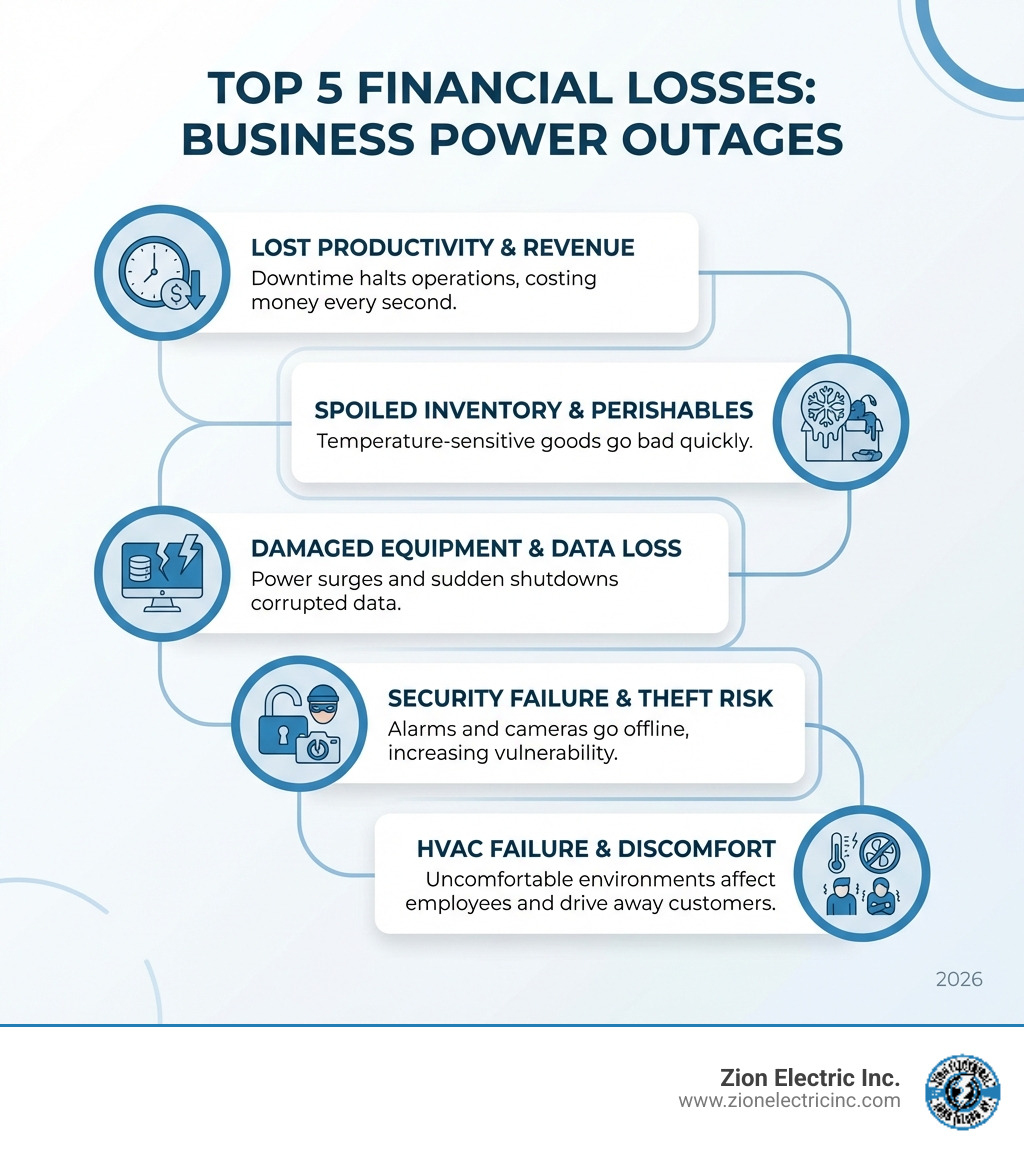
Power outages are happening more often and lasting longer. For businesses on Long Island, a single outage can mean thousands of dollars in lost revenue, spoiled inventory, damaged equipment, and disrupted operations. When the lights go out, everything stops—your computers, security systems, refrigeration, HVAC, and communication tools all go dark.
A commercial generator installation protects you from these losses. Unlike portable generators that require manual setup and refueling, a properly installed standby generator detects power loss automatically and switches on within seconds. Your business keeps running without interruption.
The installation process requires careful planning, professional expertise, and strict adherence to safety codes. You'll need to determine the right size generator for your facility, choose between fuel options like natural gas, propane, or diesel, steer local permits and regulations, and integrate the system safely with your existing electrical infrastructure.
This guide walks you through every phase of commercial generator installation —from initial planning and sizing to professional installation and ongoing maintenance. Whether you're protecting a retail store, office building, medical facility, or warehouse, you'll learn what to expect and how to ensure your business stays powered when it matters most.
Phase 1: Planning and Sizing Your Commercial Generator
Before we even think about turning a wrench, the most crucial phase of any commercial generator installation is meticulous planning. This involves understanding your business's unique power needs, selecting the right generator size, choosing the optimal fuel source, and accounting for the overall costs.
How to Determine the Right Size Generator for Your Business
Determining the correct size generator for a commercial application is not a one-size-fits-all endeavor. It's a critical step that ensures your business has adequate power without overspending on an unnecessarily large unit. We begin by assessing your facility's energy demands, square footage, and, most importantly, the critical systems that must remain operational during an outage.
The process typically involves a detailed load study. This isn't just guesswork; it's a precise measurement where we use a data meter on your electric panel to record power usage over an extended period. This gives us an accurate picture of your peak and average power consumption.
When calculating your power requirements, we consider two main types of wattage:
- Running Wattage: This is the continuous power needed to keep equipment operating. We'll sum the running wattages of all essential equipment you need to power.
- Starting Wattage (or Surge Wattage): Many electrical devices, especially those with motors (like HVAC units, refrigerators, or pumps), require a momentary burst of extra power to start up. This starting wattage can be significantly higher than the running wattage—sometimes nearly four times as much. If the exact starting wattage is unknown, we can safely estimate it at three times the running wattage. We then add the single highest starting wattage of any piece of equipment to the total running wattage.
For example, generators found at a job site typically provide 5,000-7,500 watts, suitable for running multiple power tools simultaneously. However, larger commercial operations on Long Island, such as data centers or manufacturing facilities, will require significantly higher wattage outputs.
To ensure your system is robust and ready for future needs, we always recommend adding a 10% buffer to the total wattage calculation. This accounts for potential calculation errors, future expansion of your business, or the addition of new equipment. Proper sizing prevents overloading the generator, which can lead to premature wear and failure.
Comparing Fuel Options: Diesel, Natural Gas, and Propane
The choice of fuel for your commercial generator has significant implications for its operation, cost, and environmental footprint. The most common fuel options we see on Long Island are:
- Natural Gas (NG):
- Pros: Connected directly to your utility line, providing an unlimited supply without the need for refueling or storage tanks on your property. Generally cleaner-burning than diesel.
- Cons: Power output might be slightly less than diesel for the same engine size. Dependent on the natural gas grid, which could be affected during widespread disasters. Requires a dedicated gas line sized appropriately for the generator's demand.
- Liquid Propane (LP/Propane):
- Pros: Clean-burning, long shelf life, and stored on-site in tanks, making it a good option if the natural gas grid is unreliable or unavailable.
- Cons: Requires on-site storage tanks and regular refueling deliveries. Propane is heavier than air, so storage considerations are important. Tank size is crucial to ensure sufficient run time.
- Diesel:
- Pros: Known for high power output and fuel efficiency, especially for larger commercial generators. Diesel is generally very reliable. Often preferred in regions with stricter environmental policies for its efficient performance with lower emissions.
- Cons: Requires on-site fuel storage (belly tanks or remote day tanks) and regular refueling. Diesel fuel has a limited shelf life and can degrade over time, requiring fuel polishing or additives. Emissions can be a concern, depending on local regulations.
| Fuel Type | Fuel Storage | Cost (Fuel) | Maintenance Implications | Emissions | Reliability |
|---|---|---|---|---|---|
| Diesel | On-site tank (belly/day) | Moderate | Fuel polishing, filter changes | Higher NOx/PM | High, good for long run times, quick start |
| Natural Gas | Utility line | Low | Minimal fuel system maintenance | Lower | High, continuous supply, but vulnerable if gas line breaks |
| Propane | On-site tank | Moderate | Tank inspections, no fuel degradation issues | Lower | High, long shelf life, independent of utility gas line, requires refueling |
The fuel choice impacts tank placement, refueling logistics, and compliance with local environmental regulations. For businesses in Holtsville or anywhere on Long Island, we help you weigh these factors to select the most practical and cost-effective solution.
Understanding the Costs of Ownership
Investing in a commercial generator installation involves more than just the initial purchase price. To get a complete picture, we consider the total cost of ownership, which includes:
- Initial Purchase Price: Commercial generators typically start from a few thousand dollars for smaller units, with larger, more robust systems for extensive facilities ranging significantly higher. The statistical range of $600-$2,000 often refers to smaller, portable units, not the robust standby commercial generators we install.
- Installation Costs: This covers site preparation (like pouring a concrete pad), electrical wiring, fuel line connections, labor, and the automatic transfer switch. This can be a significant portion of the upfront expense.
- Permits and Inspections: Fees for local permits and required inspections add to the initial cost.
- Fuel Expenses: This is an ongoing cost, varying based on fuel type, generator size, and how frequently it runs.
- Routine Maintenance: Like any engine, generators require periodic service and maintenance to function properly. This includes annual or quarterly inspections, oil changes, filter replacements, and battery checks.
- Potential Repair Costs: While regular maintenance minimizes repairs, unforeseen issues can arise.
- Financing and Rental Options: For businesses looking to manage upfront costs, various financing options are available through manufacturers or financial institutions. Additionally, some companies offer rental options for commercial generators, which can be a good solution for temporary needs or to defer a large capital expenditure. We can discuss these options to find the best fit for your budget.
Phase 2: The Step-by-Step Commercial Generator Installation Process
Once planning is complete, we move to the physical commercial generator installation. This complex process demands precision, adherence to codes, and a keen eye for safety to ensure reliable, long-term operation.
Navigating Permits, Codes, and Regulations
Installing a commercial generator in Long Island is a significant undertaking that requires strict adherence to local, state, and national regulations. It's not as simple as just plugging it in! We manage this complex landscape for you.
- Permits and Zoning: We work with your local municipality or county (e.g., Suffolk County, Nassau County) to secure all necessary permits. This can include electrical, building, and sometimes even plumbing permits for fuel lines. Zoning approval is often required, especially if the generator will be installed outdoors, to ensure it complies with local land use regulations regarding setbacks, size, and appearance.
- Local and National Codes: All installations must follow national and local building codes, crucially including the National Electrical Code (NEC). The NEC outlines requirements for wiring, grounding, overcurrent protection, and transfer switch installation. We ensure every aspect of your system meets these rigorous standards.
- Certification Requirements: In the United States, commercial power equipment, including generators, transfer switches, and enclosures, must carry certifications such as UL (Underwriters Laboratories) listing to ensure they meet safety and performance standards.
- Noise and Emissions Regulations: Long Island municipalities often have specific noise ordinances. We address this by recommending generators with appropriate sound attenuation enclosures. Emissions standards, while perhaps not as strict as some Canadian "air districts," are still a factor, and we consider fuel types and generator models that meet environmental guidelines. Diesel-fueled generators, for instance, are often chosen for their efficient performance with lower emissions.
Navigating these rules can be daunting, but with our expertise, you can rest assured that your commercial generator installation will be fully compliant. More on our certified process
Essential Steps for a Successful Installation
Our comprehensive commercial generator installation process is designed for efficiency, safety, and minimal disruption to your business operations.
- Site Preparation: This is where we lay the groundwork. If replacing an old unit, we'll remove it safely. For new installations, we'll prepare the site by pouring a robust concrete pad. This pad serves as a stable, level foundation for the generator, essential for its longevity and proper operation.
- Generator Placement: With the site ready, we coordinate the delivery and precise placement of your generator. For larger units, this often involves the use of a crane to carefully position the generator onto its new concrete pad. We ensure adequate clearances around the unit for cooling, ventilation, and future maintenance access, adhering to safety standards such as NFPA 37.
- Fuel Line Connection: Our licensed professionals will connect the generator to its chosen fuel source—be it natural gas, propane, or diesel. This involves installing appropriate piping, regulators, and shutoff valves, followed by thorough purging and leak testing to ensure safety.
- Exhaust System Setup: Generators produce exhaust fumes, including deadly carbon monoxide. We ensure the exhaust system is properly routed and positioned to safely evacuate these gases away from your building and any openings like windows or vents.
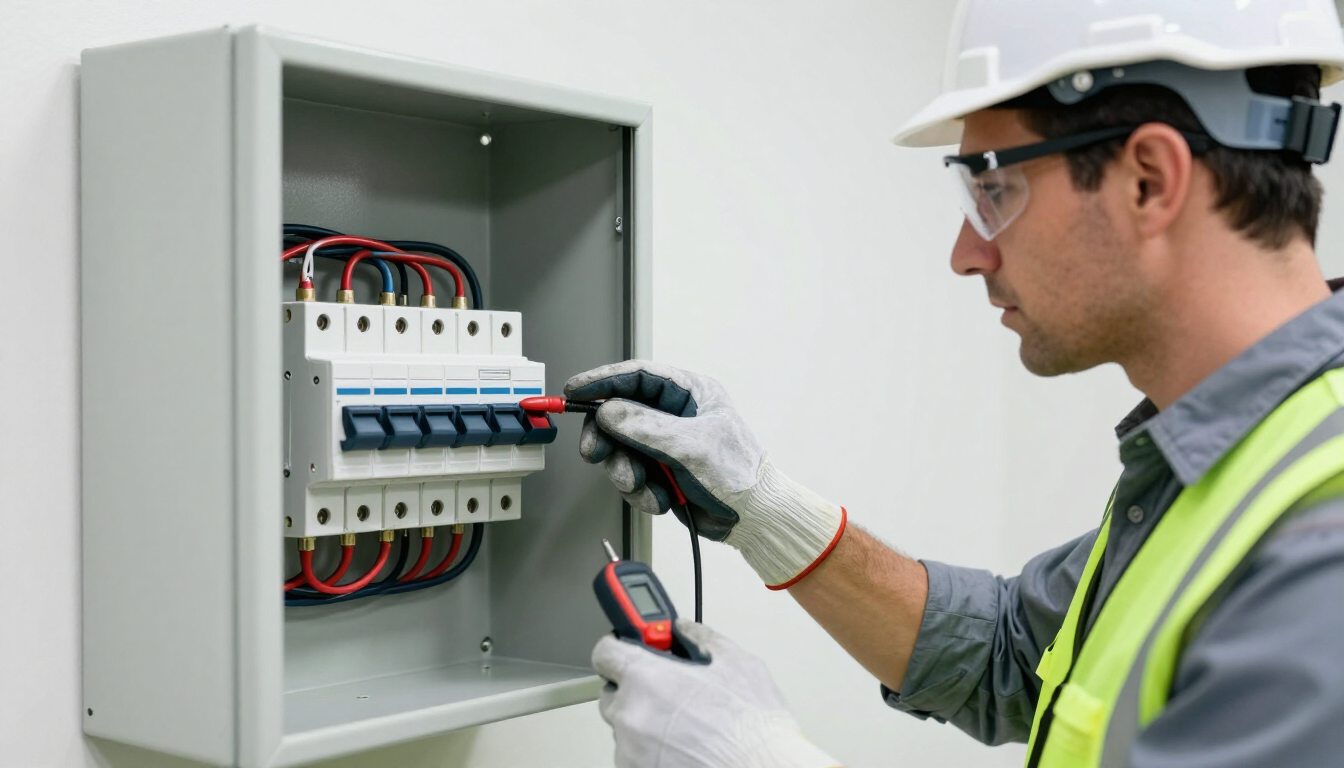
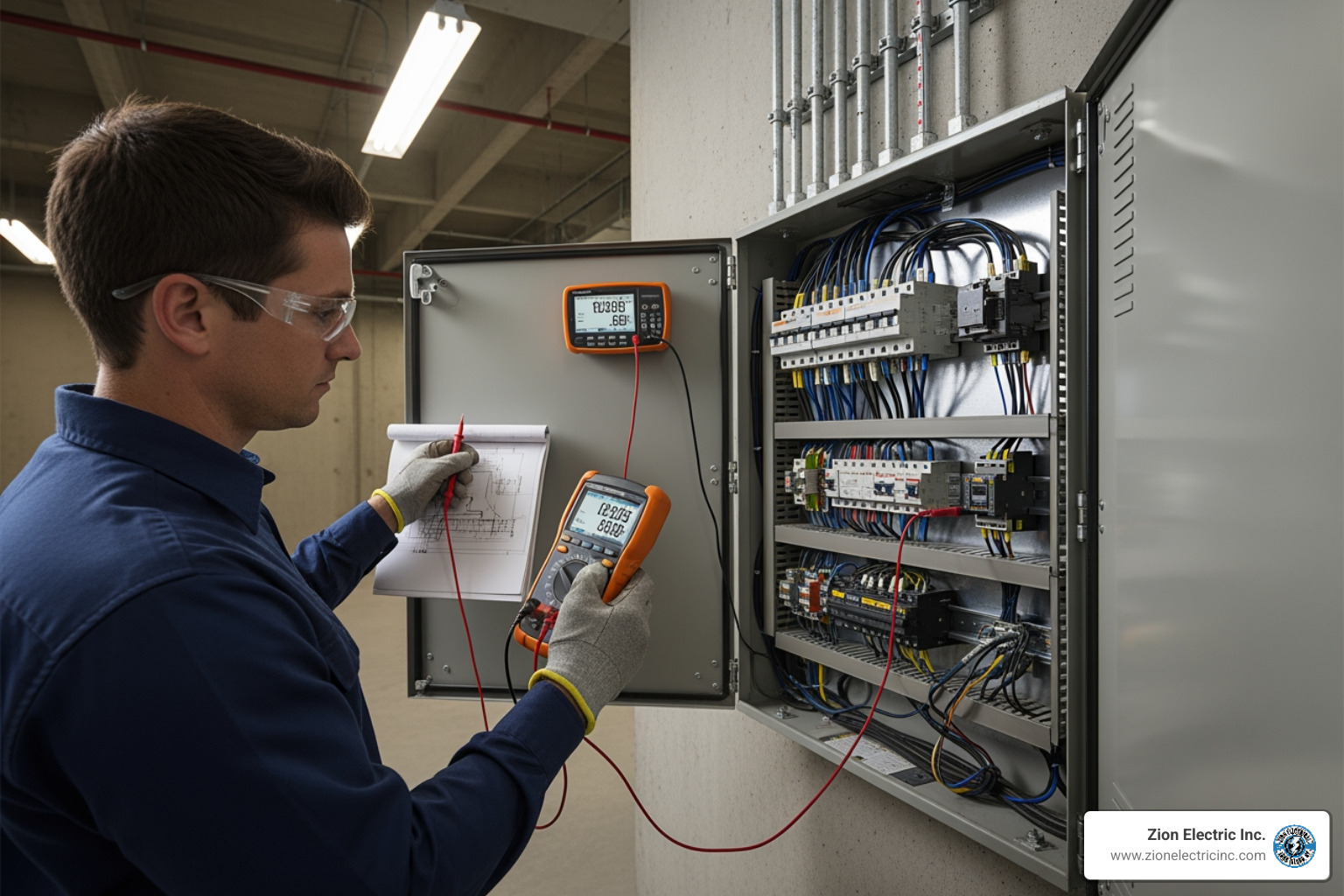
- Electrical Wiring: This is a critical step where our licensed electricians integrate the generator into your building's electrical system. This includes connecting the main power leads and control wiring to the automatic transfer switch (ATS) and your electrical panel.
- Testing and Commissioning: Once fully installed, we conduct rigorous testing. This involves initial start-up, operational checks, and testing the generator under various load conditions to ensure it performs as expected and seamlessly transfers power. We also educate you on its proper operation.
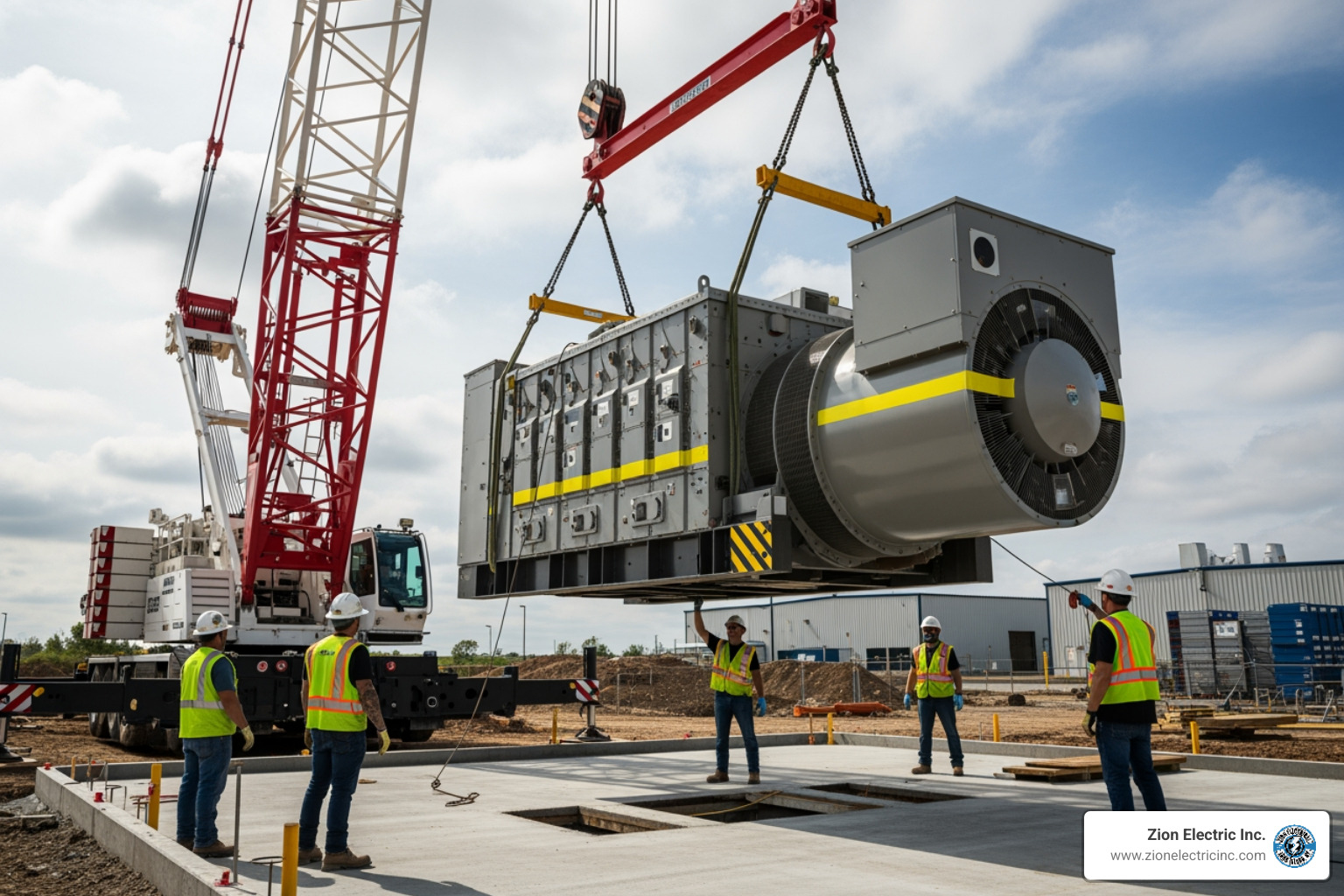
For a deeper dive into the technical details, you can See a detailed installation guide.
Best Practices for Electrical Integration
Seamless electrical integration is the cornerstone of a reliable commercial generator installation. Our priority is always safety and uninterrupted power.
- Automatic Transfer Switch (ATS): The ATS is the brain of your backup power system. It automatically detects a utility power outage, signals the generator to start, and then safely switches your building's electrical load from the utility to the generator. When utility power is restored, the ATS transfers the load back and shuts down the generator. This automatic process is crucial for commercial continuity.
- Preventing Backfeed: One of the most critical safety precautions is preventing backfeed. Without an ATS, there's a risk of electricity flowing from your generator back into the utility grid. This poses a severe electrocution hazard to utility workers who may be repairing lines, and it's strictly prohibited by the National Electrical Code (NEC). Our installations always include an ATS to ensure complete isolation.
- Connecting to the Main Electrical Panel: The ATS is wired directly into your main electrical panel. Our licensed electricians ensure all connections are torqued to manufacturer specifications, preventing loose connections that can lead to electrical failures or fires. We use appropriate wire sizing and insulation to handle the generator's output.
- Control Wiring: Beyond the main power leads, control wiring connects the generator to the ATS, allowing it to monitor utility power, start/stop the generator, and communicate status. We ensure these sensitive control wires are properly routed and protected, often separated from main AC wiring to prevent interference.
-
Critical Systems Connection: During the planning phase, we identify and prioritize your critical loads. Our electrical integration ensures these systems are connected to the generator circuit.
- Security Systems: Cameras, alarms, access control
- Servers & Data Centers: Essential for data integrity and business operations
- HVAC: Maintaining climate control for comfort and sensitive equipment
- Lighting: Emergency, safety, and operational lighting
- Refrigeration: For food service, medical supplies, or chemical storage
- Point-of-Sale (POS) Systems: For retail and hospitality
- Communication Systems: Phones, internet, and networking equipment
- Fire Pumps & Elevators: For safety and egress in larger buildings
For all your electrical service needs, including advanced integration, visit our General Electrical Services page.
Phase 3: Post-Installation Maintenance and Operation
A commercial generator installation is a long-term investment that requires ongoing care to ensure it's always ready when you need it most. Just like any other complex machinery, proper maintenance is key to reliability and longevity.
Ongoing Maintenance and Inspection Requirements
Once your generator is installed, our commitment to your business continues with comprehensive maintenance programs.
- Weekly Self-Tests: Many modern commercial generators, especially reliable brands, are designed to run weekly self-tests. These brief exercise cycles ensure the engine starts, the transfer switch operates, and the system is ready for an actual power outage.
- Annual Service Schedule:
Standby generators should be serviced at least once a year. For some facilities with critical operations or high run times, quarterly inspections may be required. Our annual service includes:
- Battery Checks: A common issue is battery failure. We test the battery's charge and condition and clean terminals to ensure reliable starting.
- Oil and Filter Changes: Just like a vehicle, the engine oil and filters need regular replacement to maintain performance and prevent wear.
- Coolant Levels: For liquid-cooled units, we check and top off coolant levels to prevent overheating.
- System Diagnostics: We perform comprehensive diagnostic checks to identify any potential issues before they become major problems.
- Load Bank Testing: Periodically, we recommend load bank testing. This involves connecting a temporary load to the generator to ensure it can produce its full rated power output under real-world conditions. This is crucial for verifying its capacity and preventing wet stacking (see below).
Regular, professional inspections ensure your generator remains safe, compliant with local codes, and ready to perform.
Common Maintenance Issues and How to Prevent Them
Being proactive about maintenance helps prevent the most common issues that can plague commercial generators:
- Battery Failure: The most frequent culprit for a generator failing to start. Prevention: Regular battery checks, terminal cleaning, and replacement every 3-5 years.
- Low Coolant: Can lead to engine overheating and shutdown. Prevention: Routine coolant level checks during inspections.
- Faulty Block Heater: In colder climates, a block heater keeps the engine warm for quick starting. If it fails, the generator may struggle to start. Prevention: Testing the block heater's functionality during cold-weather preparations.
- Wet Stacking: Occurs when a diesel generator runs for extended periods at very light loads, leading to unburned fuel and soot accumulating in the exhaust system. Prevention: Regular load bank testing to ensure the generator runs at sufficient loads, or periodically running it under a heavier load.
- Breaker Trip: An overloaded circuit can trip a breaker on the generator. Prevention: Proper sizing of the generator and understanding your load priorities.
- Lack of Fuel: Sounds obvious, but it's a common oversight for propane or diesel units. Prevention: Regular fuel level monitoring and scheduled refueling.
Safety Precautions During Operation: Beyond maintenance, operating your commercial generator safely is paramount.
- Outdoor Use Only: Generators produce deadly carbon monoxide (CO) fumes. They must always be operated outdoors, at least 5 feet away from any windows, doors, or vents. We also recommend installing battery-operated CO alarms inside your building.
- Clearance: Maintain adequate clearance around the generator for ventilation and to prevent fire hazards.
- Fuel Handling: Handle fuels with extreme care. Ensure no combustible materials are near the generator. Store fuel according to local regulations.
- No Overloading: Do not operate your generator at maximum capacity for extended periods; aim for 90% capacity or less to prolong its lifespan.
- Moving Parts & Hot Surfaces: Keep hands, feet, and clothing away from moving parts (belts, fans) and hot surfaces (engine, exhaust).
- Electrical Safety: Never attempt to bypass the ATS or backfeed power into the grid. Always ensure wiring is intact and connections are secure.
Lifespan and Replacement: When to Upgrade Your Generator
A well-maintained commercial generator can have a typical lifespan of 15-30 years, depending on the model, usage, and maintenance quality. However, even the most robust units eventually need replacement. Here's when to consider upgrading:
- Rising Repair Costs: If the cost of frequent repairs starts to approach or exceed the cost of a new unit, it's a clear sign it's time to replace.
- Obsolete Parts: As generators age, parts can become difficult or impossible to source, making repairs challenging and expensive.
- Decreased Efficiency: Older generators may be less fuel-efficient than newer models, leading to higher operating costs. Newer generator platforms, like some offered by leading brands, are designed with higher-efficiency engines.
- Increased Power Needs: If your business has grown and your existing generator can no longer meet your expanded power demands, an upgrade is necessary to ensure adequate backup.
- Technological Advancements: Newer generators offer advanced monitoring, remote control, and quieter operation, which can significantly improve your business's continuity plan.
We can assess your current system and advise you on the most cost-effective time to replace or upgrade, ensuring your business always has reliable backup power.
Frequently Asked Questions about Commercial Generator Installation
We often hear similar questions from business owners on Long Island considering a commercial generator installation. Here are some common ones:
What's the difference between a commercial and a residential generator?
While both provide backup power, commercial generators are engineered for a different league of demand and durability.
- Power Output: Commercial generators boast significantly higher wattage outputs. While residential standby units might range from 5,000-20,000 watts, commercial units can start much higher and extend into megawatt capacities, powering entire facilities.
- Construction: Commercial units are built with stronger metals, larger engines, and more robust cooling components to handle continuous, heavy-duty operation.
- Features: They often include advanced control panels, sophisticated monitoring systems, and more extensive fuel storage options designed for prolonged outages and complex electrical systems.
- Applications: Residential generators power homes; commercial generators power everything from retail buildings, warehouse spaces, and grocery stores to hospitals, data centers, and multi-residential buildings.
- Installation & Compliance: Commercial installations are far more complex, involving stringent compliance with local zoning, environmental regulations, and the National Electrical Code (NEC).
How long does a commercial generator installation take?
The timeline for a commercial generator installation can vary significantly based on several factors, including:
- Generator Size: Larger units require more extensive site preparation and heavier lifting.
- Site Specifics: Ease of access, existing electrical infrastructure, and fuel line availability play a role.
- Permit Acquisition: This administrative step can take several weeks or even months, depending on your local municipality in Long Island.
- Complexity: A basic installation might take a few days of on-site work, while a large, complex system with extensive fuel lines and electrical integration could take weeks.
Typically, from initial consultation to final commissioning, the entire process can span from a few weeks to several months, with the actual on-site installation phase being a smaller portion of that time. We provide a detailed timeline during our initial consultation.
Can a generator power my entire commercial building?
Yes, absolutely! With proper sizing and planning, a commercial generator can be designed to power your entire commercial building. This is often referred to as a "whole-building" or "whole-facility" generator. During the sizing phase, we conduct a thorough load study to determine the total power required to run all your essential and non-essential systems. Based on this assessment, we recommend a generator capable of meeting that demand. While some businesses opt for partial backup (only powering critical systems), many choose whole-building coverage to ensure complete operational continuity during an outage.
Ensure Your Business is Always Powered with Zion Electric Inc.
For over 30 years, Zion Electric Inc., a family-owned electrical services company, has been dedicated to keeping businesses on Long Island powered and protected. We understand that in today's unpredictable world, a reliable backup power solution isn't a luxury—it's a necessity.
Investing in a commercial generator installation is one of the smartest decisions you can make for your business. It provides peace of mind, safeguarding your operations, protecting your assets, and ensuring the safety of your employees and customers during power outages. Whether you run a busy retail store, a critical medical facility, a busy warehouse, or a corporate office, uninterrupted power is essential for your success.
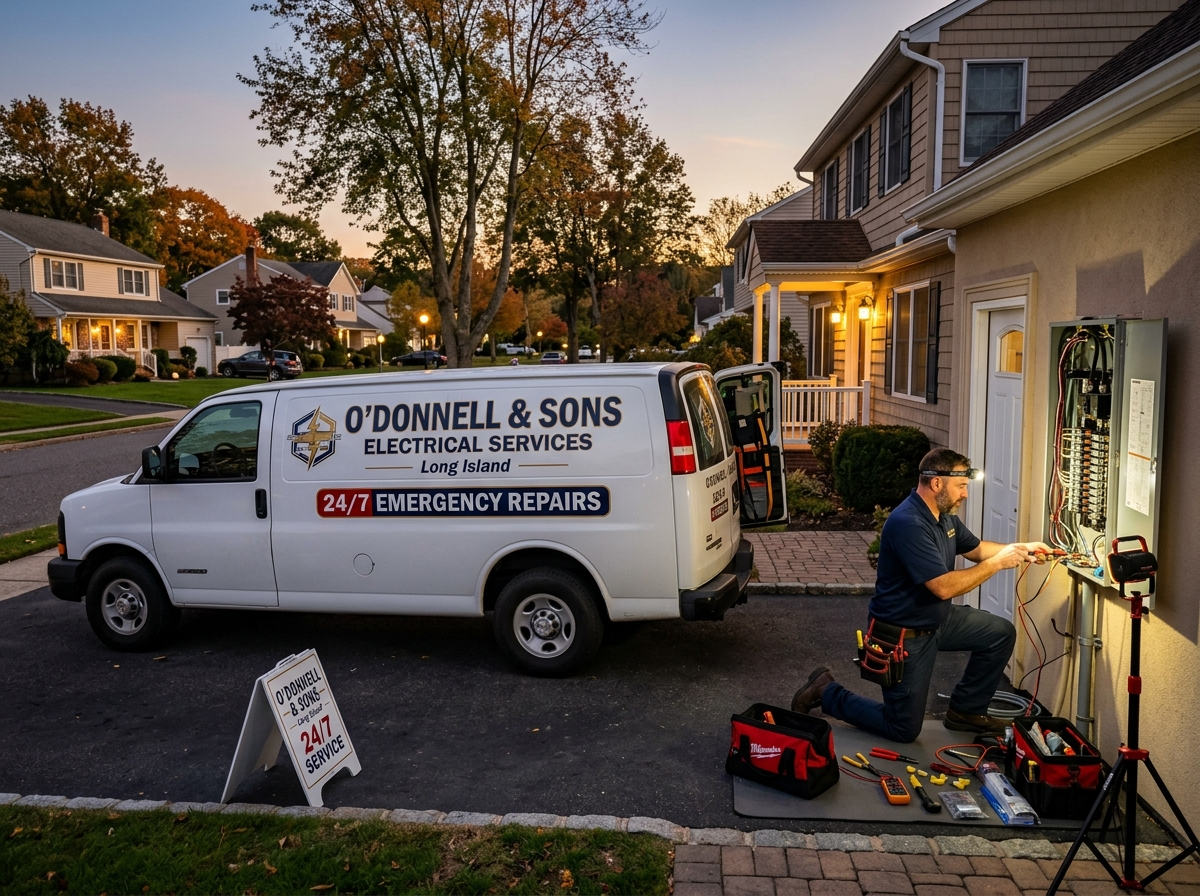
We pride ourselves on clear communication, quick response times, and top-tier workmanship. Our certified installations are backed by decades of experience, ensuring every project meets the highest standards of safety and reliability. From navigating complex permits and local codes to executing flawless electrical integration and providing 24/7 emergency service, we are your trusted partner every step of the way.
Don't let power outages put your business at risk. Let us help you design and install a commercial generator system that guarantees your operations never skip a beat.